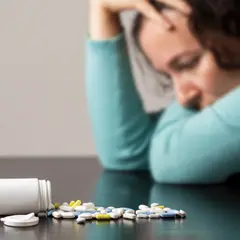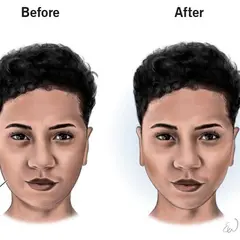
"For patients suffering from rheumatic diseases, shingles is simply 'a fear that can come at any time.' I have seen patients who have relapsed up to three times. There are patients whose swelling covers their eyes, preventing them from opening them properly. The anxiety about shingles is as significant as the pain of the disease itself."
In the clinical field treating rheumatic diseases, shingles is a common complication. The virus that causes this disease lies dormant in the body and activates when the patient's immune system weakens, which is necessary for rheumatic disease patients due to the nature of their treatment that suppresses immunity.
For this reason, the medical community has consistently argued that the shingles vaccine should be included in the National Immunization Program (NIP). Last year, six academic societies, including the Korean Rheumatism Association, officially urged this through a joint statement.
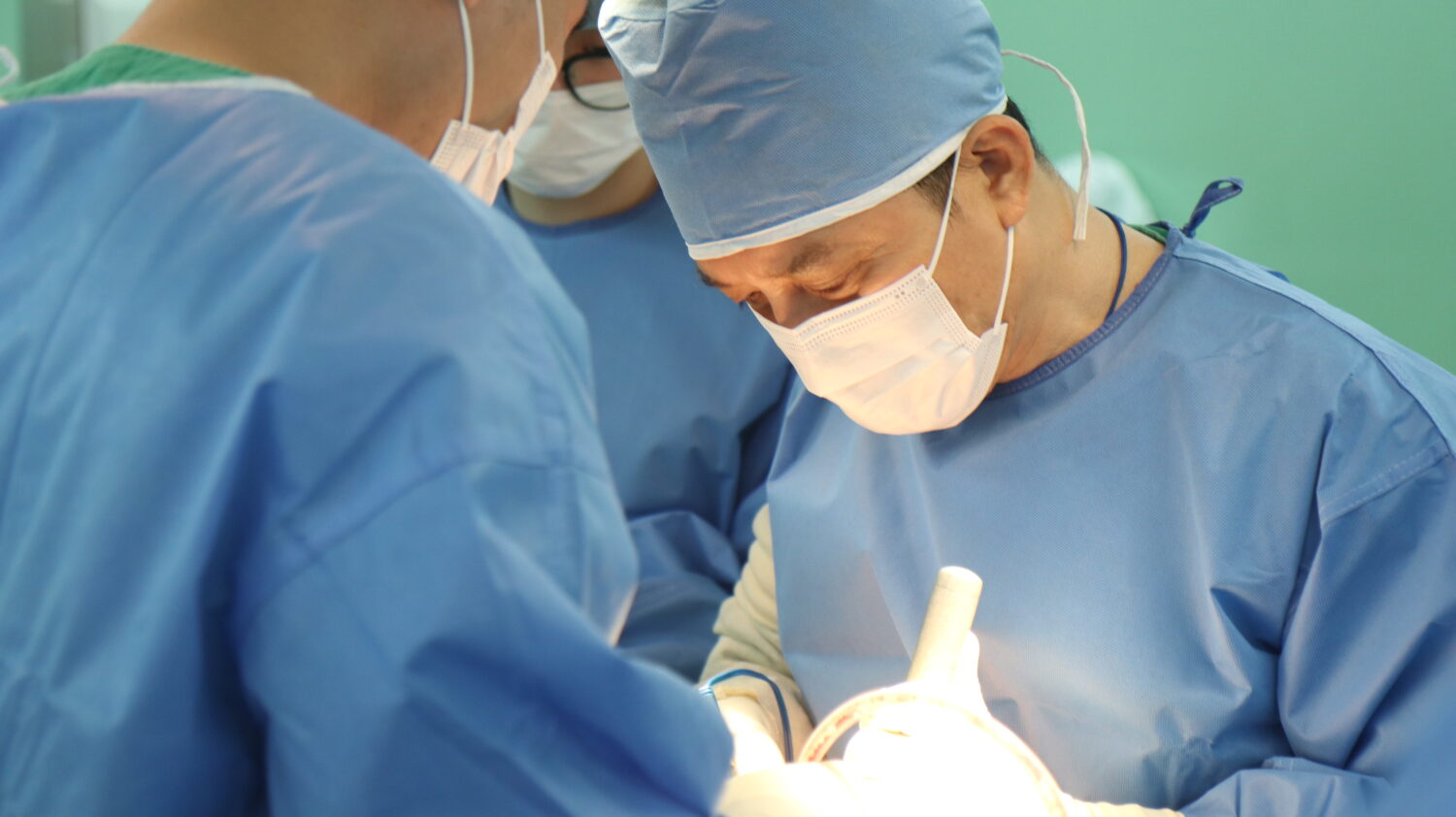
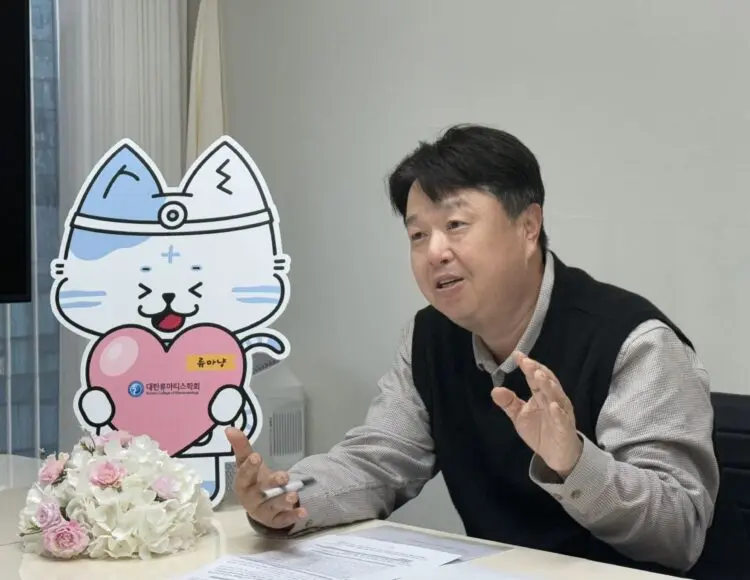
Professor Lee Myung-soo of the Department of Rheumatology at Wonkwang University Hospital (Public Relations Director of the Korean Rheumatism Association) met with Komedi.com and emphasized that "the introduction of the shingles vaccine into the NIP is an unavoidable choice for both patients and society."
What Are Rheumatic Diseases?
The term 'rheumatic disease' dealt with in the Department of Rheumatology refers to autoimmune diseases. It means a disease where the immune process that protects our body from external factors does not function properly and attacks itself.
To treat this, it is necessary to use medications that lower the patient's immune function. However, patients with weakened immunity from rheumatic diseases have a higher risk of developing shingles. Getting vaccinated is also difficult. This creates a dilemma.
Professor Lee stated, "The prevalence of shingles among rheumatic disease patients is at least twice, and in some cases up to four times higher than that of the general population," and explained, "This is closely related to patients receiving immunosuppressive treatment, as it is a disease that occurs when immunity is weakened."
So why is getting vaccinated so difficult? To understand this, one must know the concept of 'live vaccines.'
"The live vaccine commonly administered to prevent shingles is a method of administering a weakened form of the actual pathogen. When receiving a live vaccine, our body overcomes the weakened pathogen through the immune system, and antibodies are produced in this process. However, since live vaccines maintain the actual form of the bacteria, there is a risk of leading to a real infection in the body. For rheumatic disease patients using immunosuppressants, using this is no different from saying they will get shingles."
Patients without the shingles vaccine do not only face an increased risk of onset. Their symptoms are also more severe and last longer. The neuralgia from shingles causes pain that feels like being stabbed with a knife, and it is common for rheumatic disease patients to experience stronger pain intensity and a duration nearly twice as long. There are even patients who continue to experience pain for over a year after the skin lesions have completely disappeared.
A 'New Generation Vaccine' Has Emerged, But...
For this reason, specialists in rheumatology have been waiting for the emergence of a new type of vaccine that overcomes the limitations of live vaccines.
What has emerged is the 'recombinant vaccine.' This vaccine combines the antigen of the shingles virus with an immune enhancer without using the virus itself, making it usable for patients with weakened immunity or those receiving immunosuppressive treatment. Its preventive effect is also over 90%, significantly higher than that of live vaccines (50-60%).
The problem is the cost. Depending on the medical institution and region, it generally costs between 200,000 to 300,000 won for a single dose. Considering that two doses are required, the total cost can reach nearly 600,000 won.
In the UK, shingles vaccines are provided to severely immunosuppressed individuals over 50, and there are recent movements to expand this to patients over 18. Australia, France, and Singapore are also implementing national vaccination policies targeting the elderly or immunocompromised individuals. This is why the Korean Rheumatism Association and the medical community have urged the introduction of the NIP.
"The Reality of Struggling Between Pain and Economic Burden"
"Currently, the vaccination rate for shingles among those over 60 is reported to be about 38.2%. This includes the live vaccine. Since health centers tend to prefer the relatively inexpensive live vaccine that allows for a single dose, it is believed that the proportion of live vaccines is practically the majority. However, the influenza vaccine included in the NIP has a vaccination rate of 82.5%. Even simple calculations show that it is more than double."
The association expects that if the recombinant shingles vaccine is included in the NIP, not only will the vaccination rate increase, but patients' confidence will also change. Professor Lee stated, "Patients receiving immunosuppressive treatment will gain confidence that they can adequately cope with the shingles that will occur someday," and added, "From the perspective of medical staff, it is significant in that it lays the foundation for more confident and proactive treatment."
According to him, the socioeconomic benefits gained when 80% of the population over 50 in Korea receives the shingles vaccine are about 1.5 times the cost of the vaccination program. Considering various social costs such as treatment costs incurred when not vaccinated, productivity losses due to sick leave or hospitalization, and complication treatment costs, it can be clearly judged to have a 'cost-effectiveness' compared to the costs of the vaccination program.
"Rheumatologists see patients' suffering up close more than anyone else, but in the current structure, it is true that it is difficult to readily recommend 'get vaccinated.' Many patients hesitate the moment the cost is mentioned. It is painful every time. Doctors know the necessity more than anyone, but they cannot ignore realistic reasons. I hope that a solution will come at the national level even now."