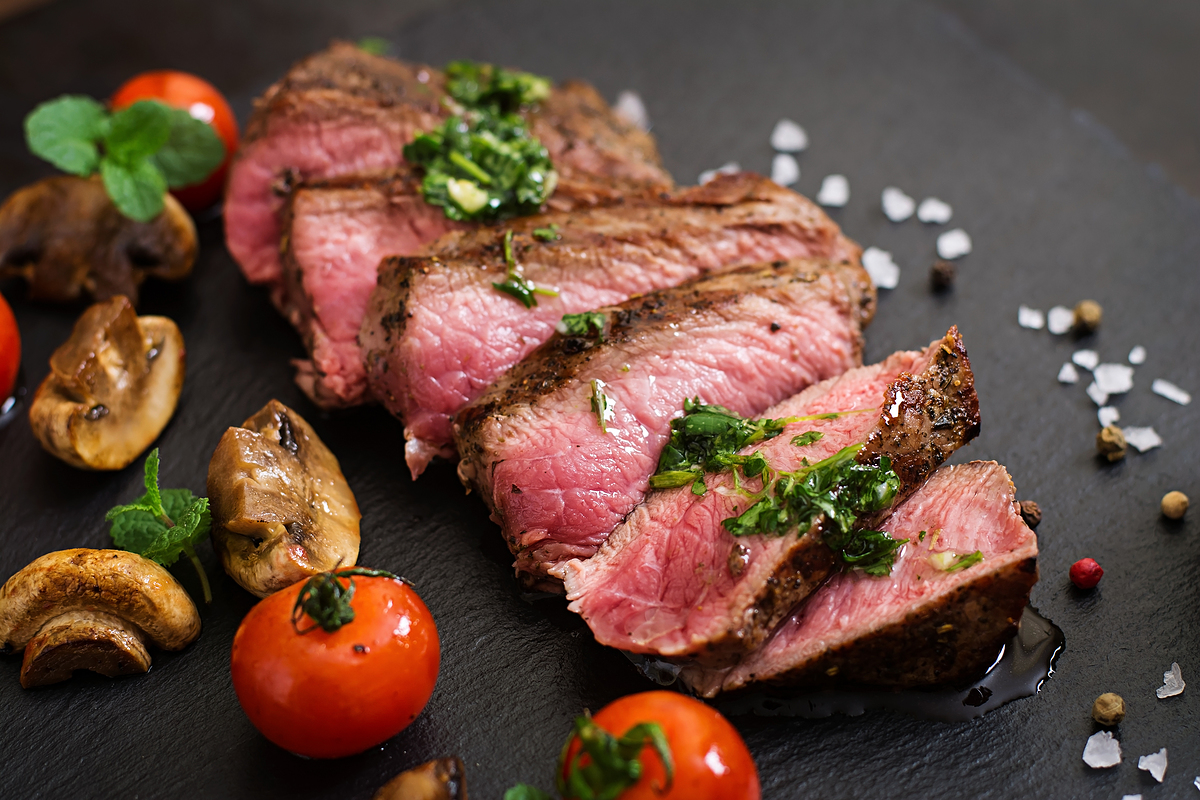
Fats may bring to mind greasy foods. However, you should consume at least 15% of your meals to provide energy for your body to function. It is better to move away from fatty meats and processed meats and eat blue fish, plant oils, and nuts. When purchasing factory-made foods, it is advisable to check the trans fat content. What are the ways to choose ‘good’ fats? Let’s learn about fat intake.
At least 15% should be consumed during meals... Fats are the primary source of energy for activity
The Ministry of Health and Welfare has revised the ‘2025 Korean Nutrient Intake Standards’, which contain appropriate intake standards for 41 nutrients necessary for health promotion, and released it on the 31st. For fats, the appropriate amount is to consume 15-30% during meals. While fats may evoke thoughts of greasy foods, consuming the right amount is essential for providing energy (calories) for the body to function. They are essential nutrients that make up cell membranes and hormones. However, since they provide more than twice the energy compared to carbohydrates and proteins, overeating can lead to weight gain. It can also negatively affect vascular health.
Are fats just cholesterol?… You need to eat ‘good’ fats
Increased intake of saturated fatty acids (from fatty meats and processed meats), trans fatty acids (from processed snacks), and cholesterol can raise the risk of hyperlipidemia (dyslipidemia) and vascular diseases (coronary artery disease). The recommended daily intake of cholesterol is less than 300mg. It is advisable to consume ‘good’ fats through fish, perilla oil, and olive oil instead of focusing on greasy foods. These foods contain omega-3 and omega-6 fatty acids. They help prevent and improve cardiovascular diseases. According to the American Heart Association and the Dietary Guidelines for Americans (2020), it is recommended to eat blue fish and other seafood 1-2 times a week to prevent cardiovascular diseases.
Helps absorb vitamins D and E and suppresses blood clots… Perilla oil, nuts, fish, etc.
Having an appropriate amount of fat in the body suppresses the formation of blood clots and aids in brain development. It helps absorb fat-soluble vitamins such as A, D, E, and K. In particular, unsaturated fatty acids cannot be synthesized in the body, so they must be consumed through diet, which is why they are called ‘essential fatty acids’. They are good for preventing cardiovascular diseases by inhibiting the increase of bad cholesterol. They are abundant in plant oils, various nuts, and fish oils. Omega-3 fatty acids are rich in blue fish (mackerel, saury, tuna, herring), perilla oil, and nuts (walnuts, pine nuts). They lower blood triglyceride levels, have a blood clot suppression effect, and help regulate blood pressure.
‘Bad’ fats vs ‘Good’ fats… What is my choice?
Saturated fatty acids and trans fatty acids are classified as ‘bad’ fats. They increase blood cholesterol and triglycerides, causing fat to accumulate in the blood vessels. Ultimately, this can impede blood flow and block the vessels leading to the brain or heart. It is best to eat only the lean meat after removing the skin and fat layers and to avoid organ meats, bacon, hot dogs, and sausages. Use steaming methods instead of frying. Reduce the intake of margarine, shortening, and mayonnaise, which are abundant in processed foods. It is advisable to check the nutritional information on the packaging before purchasing processed foods. While fats are essential to consume, you must choose ‘good’ fats to maintain health. However, even good fats can lead to weight gain and be detrimental to blood vessels if overeaten. It is crucial to adhere to the appropriate amounts.