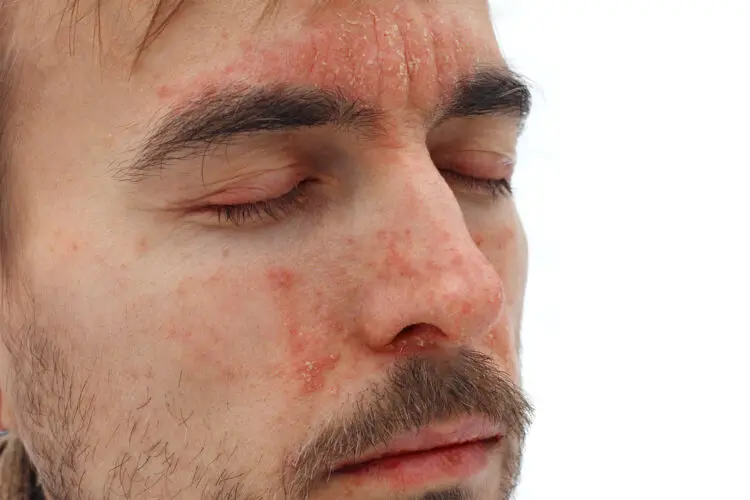
In winter, when immunity decreases, shingles can come as an unwelcome guest. The symptoms are similar to those of a cold, making it easy to misidentify, but if the 72-hour 'golden time' is missed, one may suffer from severe pain for years, so caution is needed.
Shingles is a disease that occurs when the varicella virus (Varicella Virus), which has been dormant in the body of someone who previously had chickenpox, reactivates as immunity decreases. The virus travels along the nerve ganglia, causing inflammation in the skin and nerve cells, which leads to strong pain that feels like burning or stabbing in specific areas from the onset.
Typical symptoms include sharp neuralgia, burning sensations, skin hypersensitivity (allodynia), blisters, or rashes. However, initially, symptoms often present only as pain without a rash, making it easy to misinterpret as simple muscle pain.
If shingles is left untreated, the most concerning complication is postherpetic neuralgia (PHN). Antiviral treatment should begin within 72 hours of the onset of pain to effectively suppress the virus's replication and minimize nerve damage; missing the golden time increases the risk of suffering from severe neuralgia for months or even years afterward.
Especially if the virus invades the face, eyes, or around the ears, it can leave serious sequelae such as keratitis, vision loss, or facial nerve paralysis, making early diagnosis and treatment crucial.
The key to preventing shingles is maintaining immunity. Healthy lifestyle habits such as stress management, adequate sleep, and maintaining appropriate body temperature can reduce the risk of onset. Additionally, in South Korea, shingles vaccination is recommended for adults over 50, and the vaccine reduces the incidence by 50-60% and also alleviates symptoms if the disease occurs.
Professor Jang Yu-kyung of the Anam Hospital at Korea University’s Department of Anesthesiology and Pain Medicine stated, "Shingles is not just a skin disease but a neurological disorder, and if the timing of treatment is missed, pain can become chronic or lead to serious nerve damage," emphasizing that since the initial symptoms can be mistaken for a cold, if one experiences persistent unilateral pain of unknown cause, they should seek a specialist's diagnosis immediately.