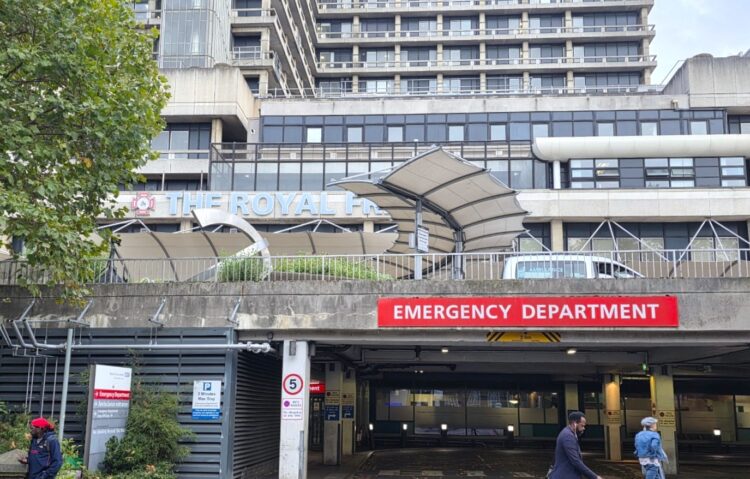
“A nurse can challenge a doctor's opinion at any time—and in practice, they do so every day.”
This is how Professor Cho Jun, a vascular surgeon at the Royal Free Hospital in London, describes the cultural landscape of British medicine. At the Royal Free—a major teaching hospital affiliated with the prestigious University College London (UCL)—the rigid, authoritarian hierarchies often found in global medicine are notably absent. The very notion of "challenging a doctor" as an act of defiance simply does not exist. Through constant rotations, students work in integrated teams, adopting a professional mindset that values the insights of every colleague.
In the UK, becoming a "good doctor" is not merely a matter of academic mastery. From the initial medical school interview to the final stages of specialization, doctors must constantly prove they are effective team players. In the British healthcare system, doctors are viewed not as independent "solo experts," but as leaders of multidisciplinary teams that include nurses, physical therapists, pharmacists, and social workers. At the core of this philosophy is the belief that seamless communication is directly linked to patient safety.
"Show Us Your Teamwork": Interviews That Filter for Character
In the UK, top marks are a baseline, not a guarantee of admission. If an applicant cannot provide concrete evidence of "teamwork," they are unlikely to be selected. Lee Min-ho, a London-based GP and Secretary-General of the Korean Doctors Association in the UK (KUMA), explains that personal statements must detail the lessons learned during hands-on experiences, such as hospital placements or volunteer work. "Regardless of grades, students without tangible evidence of teamwork are passed over," Lee asserts.
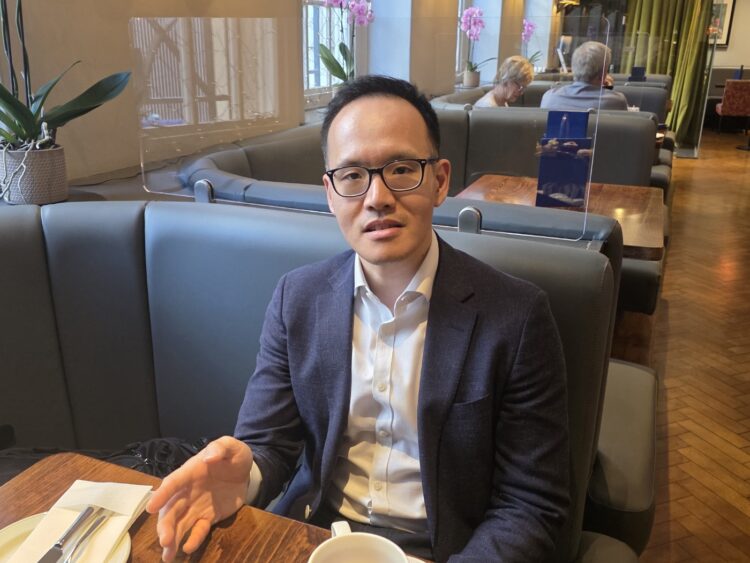
Questions regarding collaborative experience are a staple of the interview process. Beyond academic excellence, applicants must articulate how they navigated communication hurdles in settings like hospital volunteering or sports. This sets a clear expectation from the admissions stage: a doctor never works in a vacuum.
The interview itself is a rigorous, multi-faceted assessment. Typically, a panel of three to five interviewers evaluates a single candidate for 45 minutes. Notably, these panels often include not only faculty members but also student representatives and local community healthcare professionals. This ensures that every candidate is vetted from academic, practical, and peer perspectives simultaneously.
"Understanding Every Role": Training the Entire Team
At King's College London, clinical exposure begins in the first year. These placements occur once a month for first-years and twice a month for second-years, with frequency increasing as students progress. Carried out in small groups, these rotations allow students to observe hospital operating systems while learning how different departments intersect.
Teamwork and communication are the pillars of this curriculum. Dr. Lee, who served as an educational fellow at King's College, emphasizes that staff members such as nurses and physical therapists are recognized as equal experts in their respective fields. "Medical students learn exactly what these roles entail and how to communicate with them effectively from day one," he says.
This collaborative education continues through internships and residency. The General Medical Council (GMC), which regulates medical licenses in the UK, officially lists "collaboration with colleagues" as an essential competency that every medical student must demonstrate upon graduation.
Flattening the Hierarchy: Communication as a Safety Shield
The UK’s emphasis on teamwork is most visible in the Multidisciplinary Team (MDT) system. MDT care ensures that for any given patient, specialists, nurses, pharmacists, and therapists meet on an equal footing to determine the optimal treatment plan. While some countries reserve this for complex cancer care, in the UK, it is a standard part of daily clinical practice.
A non-hierarchical atmosphere is considered a vital safeguard. Professor Cho explains the danger of an authoritarian culture: "If a professor is habitually angry, a nurse might hesitate to report a subtle change in a patient’s condition. That brief hesitation can lead to fatal outcomes." This philosophy is passed down to juniors. Professor Cho tells every resident: "If you're not sure, always ask. Waking someone up at 2 a.m. is far better than making a wrong decision alone."
The 360-Degree Evaluation: No Growth Without Communication
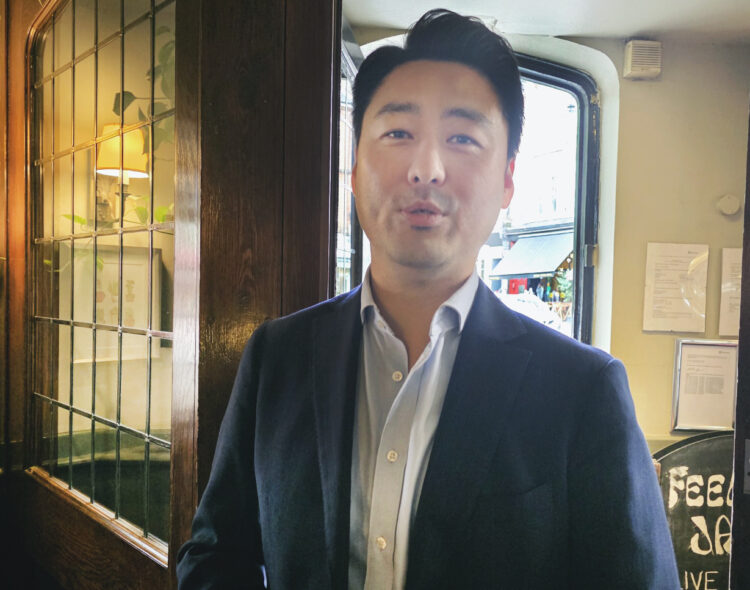
Communication and teamwork are also strict criteria for a resident's professional advancement. At the center of this is "Multi-Source Feedback." At the end of each rotation, residents must collect evaluations from at least 10 people—including consultants, fellow doctors, nurses, administrative staff, and volunteers—to answer a single question: "Am I a good team player?"
These evaluations focus on collaboration, verbal communication, and patient relationships. If a resident cannot objectively demonstrate these abilities, they may face a halt in their promotion or be required to undergo additional training. Park Se-jeong, an anesthesiology resident and President of KUMA, notes, "The system makes it impossible to advance based on clinical ability alone; character and communication skills are mandatory."
The "Nomadic" System: Preventing Factions and Elitism
Structural safeguards also prevent an authoritarian culture from taking root. The UK utilizes a rotation system that prevents doctors from remaining in one facility for too long. Interns rotate every three to four months, and residents move between at least two different hospitals during their training. This frequent movement prevents graduates from a single university from dominating a department, effectively neutralizing elitism and factionalism.
This "nomadic" training also enhances clinical versatility. By rotating through diverse settings—from primary care clinics to tertiary surgical centers—doctors develop the flexibility to adapt to different demographics and regional needs. As Professor Cho puts it, "Seeing diverse treatment methods firsthand is a living study. As experience accumulates, you learn not only what works, but what not to do."
(Continued in Series 3-2)
Interview interpretation and reporting assistance: Kim Dong-wook
This project was supported by the Press Promotion Fund, financed through government advertising fees.