Can your skin really improve just by switching to better cosmetics? In reality, healthy-looking skin isn’t achieved through topical care alone. Your natural skin tone and complexion matter, but what you eat regularly can also make a clear difference in tone and clarity. If you want healthier-looking skin, start by changing what’s on your table today.
Vitamin C–rich foods: melanin regulation and antioxidant defense
Vitamin C helps reduce oxidative reactions involved in melanin production and plays an important role in protecting the skin from oxidative stress. Foods high in vitamin C—such as tangerines, kiwifruit, strawberries, and broccoli—may help lessen a dull-looking complexion. Rather than taking a large amount at once, spreading intake throughout the day can improve how efficiently the body uses it and may support more consistent skin benefits. Regular intake is key to maintaining an even-looking skin tone.
Red fruits and vegetables: circulation support and a healthier-looking complexion
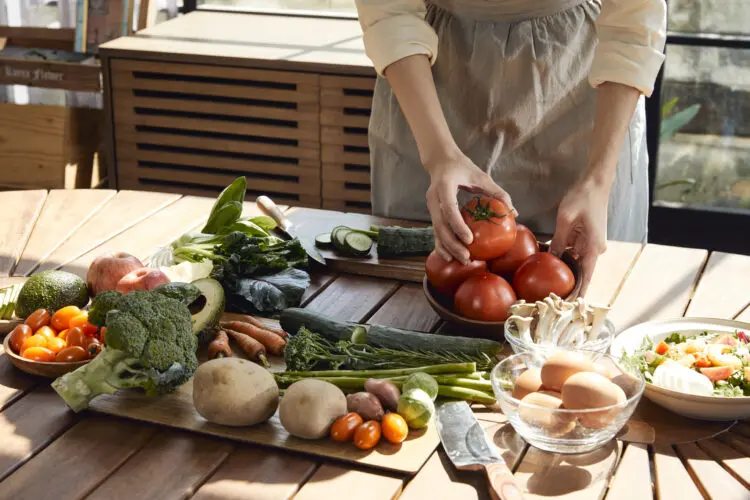
Red-colored foods such as tomatoes, beets, and pomegranates are rich in antioxidants and may help support healthy blood flow. In particular, nitrates in beets are known to convert to nitric oxide in the body, which is associated with blood-vessel dilation and improved circulation. Rather than “brightening” the skin overnight, these foods can help create the impression of a more stable, healthy-looking complexion over time. Consistency matters.
Dark green and yellow vegetables: antioxidant support that helps protect skin cells
Dark green and yellow vegetables such as spinach, kale, and broccoli are rich in beta-carotene and lutein. Through antioxidant activity that helps protect cells from free-radical damage, these compounds may help slow visible skin aging and help prevent the complexion from looking dull. This can be especially important in environments with frequent stress and external irritants. Eating them with a small amount of fat, such as olive oil, can increase absorption.
Fermented foods: gut health can support skin condition
Fermented foods such as kimchi, yogurt, and doenjang (fermented soybean paste) are well known for supporting a healthy balance of gut microbes. When digestive function improves, elimination and metabolic rhythms may become more stable, and these changes can indirectly influence skin condition and complexion. When the gut is uncomfortable, nutrient absorption and elimination may not run smoothly, which can make skin changes slower to appear. That’s why gut health is often described as a foundation of skin care.
Nuts and seeds: fats that help protect the skin barrier
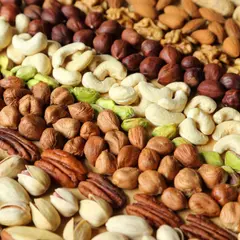
Nuts and seeds such as almonds, walnuts, and sunflower seeds are rich in vitamin E and unsaturated fatty acids. These nutrients help support the skin barrier and reduce moisture loss, which can help prevent skin from looking dry and rough. However, because they’re relatively calorie-dense, a small portion—about a handful per day—is appropriate. Simply changing your snack choices can make a difference in how your skin looks and feels.
Hydration: a basic requirement for any skin-care routine
No matter how balanced your diet is, if you don’t drink enough fluids, improvements in skin tone and texture will be limited. Water supports circulation and waste elimination, helping the skin look clearer. It’s important to build the habit of drinking water several times throughout the day, and sugary drinks or excessive caffeine can contribute to dryness instead. If your skin looks dull, one of the first things to check is whether you’re adequately hydrated.
Skin tone doesn’t change dramatically overnight. But daily eating habits tend to show up in the skin in a fairly direct way. That’s why it makes sense to look at your table before switching your cosmetics. What people who are told their skin has improved often have in common is that their food choices were different from the start.