In January, the variety of seasonal foods expands. As midwinter reaches its coldest point, seafood becomes firmer and more flavorful, while vegetables and seaweeds grow more nutrient-dense and make their way to the table. From winter fish like sailfin sandfish, cockles, cod, and pollock to spinach, hijiki, fresh wakame, and taro—seasonal ingredients that have endured the bitter cold can naturally help support the body. The colder it gets, what you eat can make a real difference in how you feel.
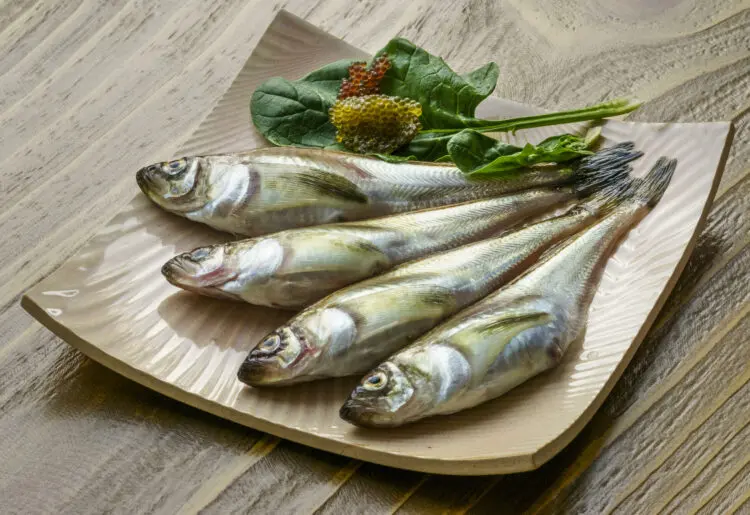
Sailfin sandfish, plump with roe and flesh
Sailfin sandfish is at its peak in January, just before spawning, when both the roe and flesh are at their fullest. Compared with early winter, the flesh is softer and the roe is fully developed, adding deep flavor to soups and stews. Rich in protein and calcium, it can help support muscle and bone health, which may be more vulnerable during severe cold. It pairs well with long-simmered dishes such as sailfin sandfish stew or braised preparations, and its savory richness naturally infuses the broth. When cooking, it’s best to heat it gently over medium-low heat so the roe doesn’t burst. Because it can develop a fishy odor as freshness declines, it’s important to cook it soon after purchase.
Cod, with firmer flesh and deeper flavor
Cod becomes firmer and more flavorful in January and February, ahead of its spawning season. It’s low in fat and high in protein, making it an easy fish to enjoy even during a cold snap. Clear-broth dishes such as cod soup or a light cod broth warm the stomach and can help bring back an appetite that often drops in cold weather. Rich in B vitamins and amino acids, it’s well suited for winter periods when physical fatigue is high. However, if simmered too long, the flesh can break apart easily, so timing matters. If it isn’t fresh, it may smell fishy, so be sure to check the fish’s condition and how well it has been cleaned.
Pollock, a traditional restorative fish that shines in winter
Pollock has long been considered a fish that represents midwinter. Whether fresh pollock, semi-dried pollock, or dried pollock, it’s especially widely eaten in the heart of winter. Rich in amino acids, it can help support recovery from cold-weather fatigue and is known for being gentle on the stomach. Fresh pollock soup or pollock broth is a classic winter restorative dish that helps relax a body stiffened by the cold. Its mild flavor also makes it a good choice on days when heavily seasoned foods feel like too much. However, salted or dried products can be high in sodium, so portion control is important.
Cockles, with umami that intensifies as water temperatures drop
Cockles become firmer and their distinctive umami peaks in January and February, when water temperatures are at their lowest. That’s why they’re often said to taste even richer than in December. High in iron and taurine, they can help ease the fatigue that’s easy to feel in winter and support healthy circulation. When boiled and served as a seasoned salad or mixed with rice, their chewy texture stands out, and they deliver plenty of flavor even without strong seasonings. If they aren’t purged thoroughly before cooking, you may bite into sand, so care is needed. Because they can be somewhat salty, it’s best not to season them too heavily.
Taro, a lesser-known restorative ingredient people seek out in winter
Taro is harvested from late fall through winter, but it’s most commonly eaten in winter. Rich in starch and minerals, it can help replenish energy depleted by severe cold. Adding it to broth-based dishes such as taro soup provides both warmth and satisfying fullness. Its characteristic silky texture is also known for gently coating the stomach. However, raw taro contains irritating compounds, so it must be cooked before eating, and it’s best to wear gloves when handling it. It’s a great ingredient for adding variety to the winter table.
Spinach, supports circulation that can slow in the cold
In the depths of winter, spinach leaves become thicker in January and their nutrient density increases. Rich in iron and folate, it can help support circulation, which can easily become sluggish in cold weather. It’s especially worth adding to your diet if your hands and feet get cold in winter or you feel tired easily. Whether blanched and seasoned or added to soup, nutrient loss tends to be minimal, and it can be eaten with only brief cooking. It also helps balance the diet in a season when heavier, fattier foods become more common. Because overcooking can diminish the texture, it’s best to keep cooking time short.
Fresh wakame, a tender sea vegetable enjoyed in January
Fresh wakame is a seaweed you can truly enjoy only from winter into early spring. Fresh wakame in January is especially tender and aromatic, making it ideal for wakame soup or a vinegar-dressed salad. Rich in iodine and various minerals, it helps support metabolism during winter. When eaten alongside rich seafood dishes, it can also help refresh the palate. Lightly blanching it helps preserve both texture and aroma. If boiled too long, it can become tough, so adjusting cooking time is important.
Hijiki, a winter seaweed that’s great for mineral replenishment
Hijiki is a seaweed harvested in winter, and its aroma and nutritional value are most stable in January. Rich in calcium, iron, and dietary fiber, it can help replenish minerals that are easy to fall short on in winter. Used in seasoned vegetable side dishes or salads, it offers a satisfying bite, and pairing it with seafood deepens the flavor. Because its distinctive aroma can be polarizing, it’s best not to overdo the seasoning. After blanching, rinsing it thoroughly before use makes the texture noticeably more tender.