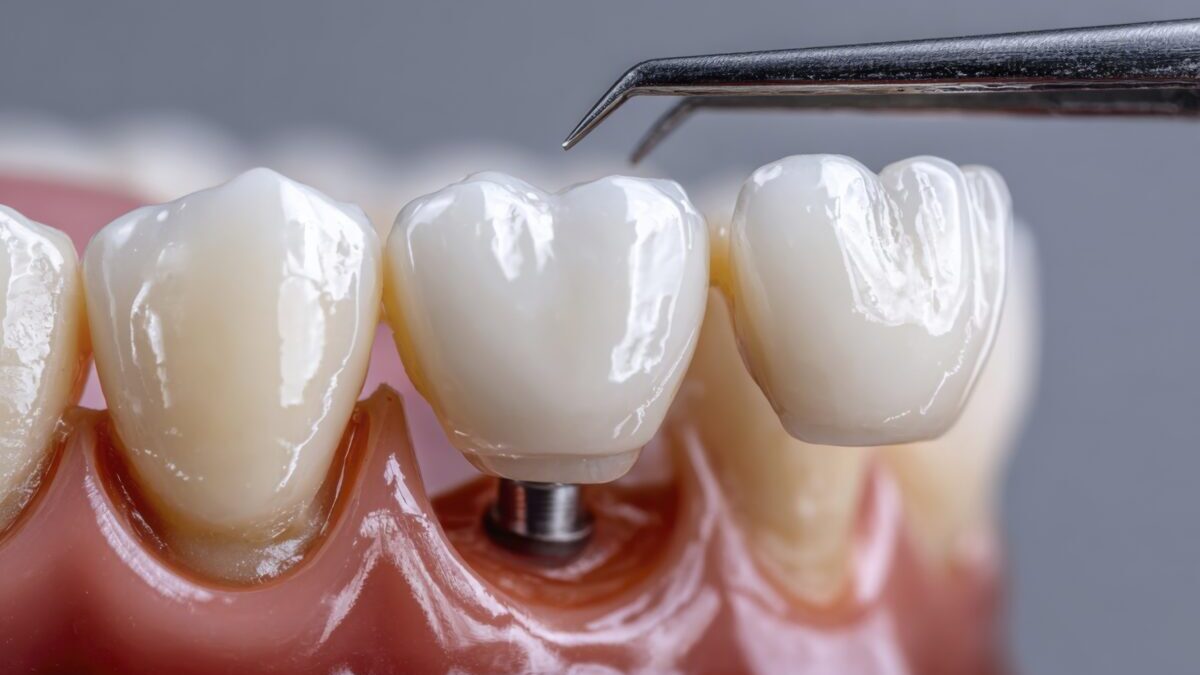
Concerns over the safety of dental implants for older adults are rising following a series of fatal incidents at a dental clinic in Seoul’s Gangnam district. In December, a woman in her 70s died during an implant procedure, followed in August by a man in his 60s who suffered cardiac arrest and died during surgery. Both procedures reportedly involved narcotic sedatives and local anesthetics, and authorities are currently investigating the exact causes of death.
Despite these incidents, dental experts emphasize that age alone does not preclude successful implant treatment, provided patients thoroughly evaluate four critical factors before proceeding.
Health History and Sedation Protocols
First, patients with underlying chronic conditions—such as diabetes, hypertension, or cardiovascular disease—must ensure their conditions are well-controlled before surgery. Those taking medications for osteoporosis, anticoagulants, or antiplatelet drugs should fully disclose their prescriptions to their dental team. Having chronic illnesses or taking medication does not automatically rule out implants, as clinicians can tailor surgical plans based on the specific drug, treatment goals, and overall health status. Crucially, patients must never discontinue prescribed medications on their own.
Second, patients undergoing intravenous sedation—often marketed as "sleep implants"—require continuous, rigorous monitoring throughout the procedure. Because sedatives can affect respiratory function and blood pressure depending on the patient's condition, dental teams must actively track consciousness, breathing, blood oxygen saturation, and blood pressure levels. Patients should also verify that the clinic maintains dedicated emergency response equipment and protocols.
Surgical Scope and Jawbone Health
Third, older adults needing extensive dental work must carefully evaluate the scope and duration of their treatment. The man in his 60s who recently died had reportedly undergone 17 extractions and eight implant placements in a single session during a prior surgery. When multiple extractions or implants are necessary, clinicians must design a phased treatment plan that accounts for the patient’s physical stamina, surgical complexity, and total operating time.
Fourth, the condition of the jawbone is a crucial determinant. Long-standing tooth loss or severe periodontal disease can result in insufficient bone density for implant placement. However, bone loss can often be addressed through preparatory procedures such as bone grafting.
Conversely, experts warn against leaving missing teeth untreated out of fear or age-related hesitation. Prolonged tooth loss can lead to progressive jawbone resorption and cause neighboring teeth to drift or tilt, ultimately complicating future care.
"Some older patients feel hesitant about implant surgery simply because of their age, but age alone should not dictate the decision," said Oh Min-seok, head of the dental department at Seran Hospital. "Clinicians must assess whether treatment is suitable and determine its scope based on the patient’s overall health and oral environment."
Oh added, "Leaving missing teeth untreated for an extended period can reduce bone volume and alter tooth alignment. If you have lost a tooth, consult a dentist promptly to evaluate your oral health and determine the most appropriate treatment path."