For patients who suffer severe injuries in traffic crashes or fall accidents, medical care does not end when emergency surgery is over. Many require a long course of specialized rehabilitation to regain mobility, return to work, and resume daily life.
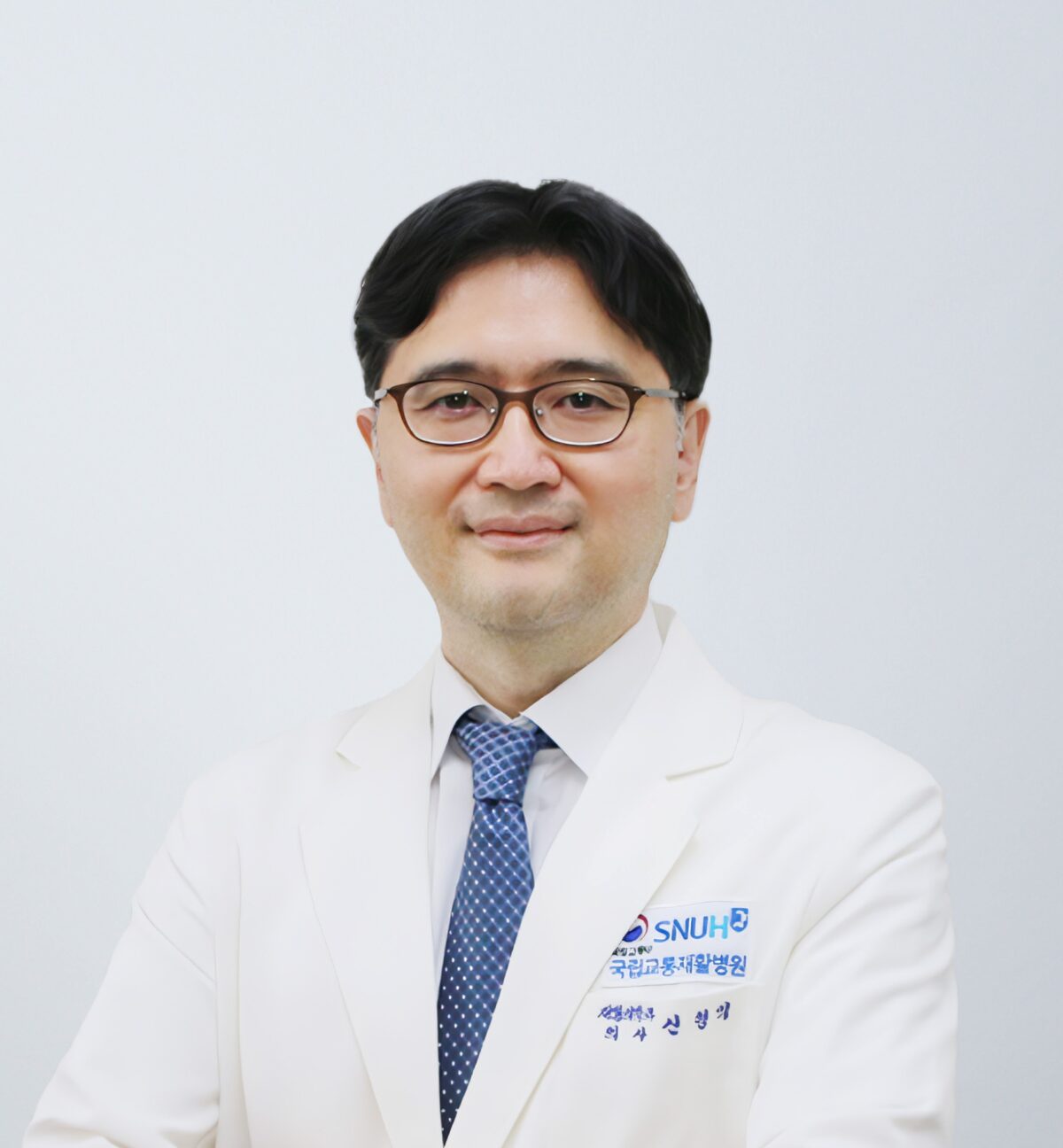
Seoul National University Hospital announced on Sept. 1 that Shin Hyung-ik, a professor in its Department of Rehabilitation Medicine, has been appointed director of the National Traffic Injury Rehabilitation Hospital. Shin will serve a two-year term through Aug. 31, 2028, leading the facility, which Seoul National University Hospital operates under a government management contract.
Outlining his vision for the hospital, Shin identified four primary goals: strengthening expertise in severe trauma rehabilitation, opening a day rehabilitation center to ensure continuity of care, expanding clinical and policy research, and training specialized severe trauma rehabilitation professionals.
Expanding Specialized Trauma Care
Established in 2014 by the Ministry of Land, Infrastructure and Transport, the National Traffic Injury Rehabilitation Hospital is a public medical facility designed to reduce disability among traffic accident victims and accelerate their reintegration into society. Seoul National University Hospital has managed its operations since 2019.
Despite its name, the facility treats patients beyond traffic accident victims, offering specialized care for individuals who sustain major brain, spinal cord, or musculoskeletal injuries from falls and industrial accidents. As of July, severe trauma cases accounted for 70.8% of all inpatients. Because severe trauma typically involves complex, multi-site injuries, multi-departmental cooperation led by rehabilitation specialists is essential once acute treatment and intensive care are complete.
Patient transfers from regional trauma centers nationwide to the National Traffic Injury Rehabilitation Hospital have grown significantly, with transfer volume in 2025 reaching roughly seven times its 2019 level. Seoul National University Hospital’s Severe Trauma Center also actively refers patients completing acute care to the facility. Building on this momentum, Shin plans to enhance the hospital's capacity for complex cases through multidisciplinary care programs and specialized intensive rehabilitation models tailored for automobile insurance coverage.
Bridging Care with a Day Rehabilitation Center
Central to the hospital’s strategic plans is the opening of a dedicated day rehabilitation center in 2027. Serving as an intermediate step between inpatient admission and traditional outpatient visits, day rehabilitation allows patients to undergo more than six hours of intensive therapy daily before returning home each evening.
The hospital currently operates day rehabilitation within its existing outpatient space, but the new dedicated center will expand capacity and streamline care. Shin aims to eliminate gaps in recovery as patients transition from inpatient care to outpatient treatment and home-based rehabilitation visits.
In tandem with expanding clinical services, the hospital is strengthening its research capabilities. Rather than measuring success solely through physical metrics like muscle strength or gait speed, the hospital plans to expand its return-to-society registry to track real-world functional recovery and social reintegration.
Current research initiatives at the facility include establishing standardized trauma rehabilitation databases, preventing pressure ulcers in severe trauma patients, analyzing the long-term effects of mild traumatic brain injury, and developing artificial intelligence applications for polytrauma rehabilitation.
Shin earned his medical degree, master's degree, and doctorate from Seoul National University College of Medicine. He previously served as deputy director of clinical services at the National Traffic Injury Rehabilitation Hospital and head of the Department of Rehabilitation Medicine at Seoul National University Hospital. He has also held leadership positions across major professional organizations, serving as president of the Korean Society of Cardiopulmonary Rehabilitation Medicine, policy director of the Korean Academy of Rehabilitation Medicine, and vice president of the Korean Society of Critical Care Rehabilitation.
"I will elevate our expertise in severe trauma rehabilitation and establish a seamless continuum of care," Shin said. "By anticipating changes in the rehabilitation environment, I will guide the National Traffic Injury Rehabilitation Hospital into its next phase of growth."