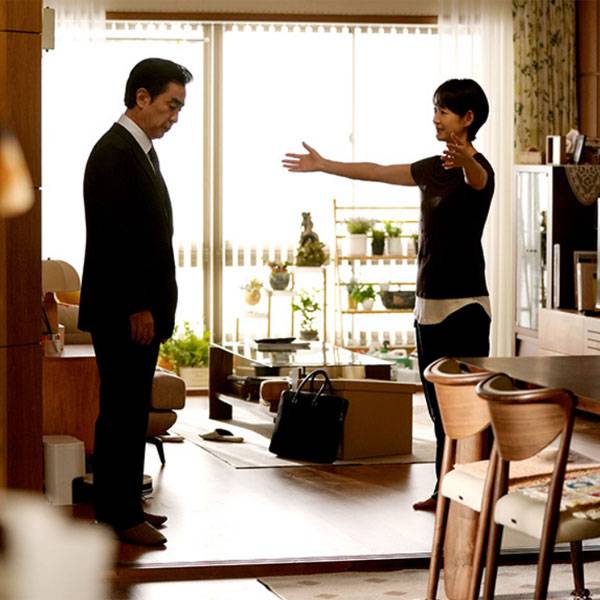
Imagine a household where both the husband and an adult child remain at home all day—the husband forced into early retirement and the son still searching for employment. If each family member handled their own meals and chores, the situation might be manageable. Instead, the domestic workload frequently falls squarely on the middle-aged mother. While youth unemployment among young people who are "just resting" has sparked widespread public debate, early retirement among middle-aged workers represents an equally pressing crisis—one that demands a fairer redistribution of household responsibilities.
Leaving Main Careers Long Before Statutory Retirement
According to a report released by the Korea Institute for Health and Social Affairs (KIHASA), workers aged 55 to 59 in 2024 had left the main job they held the longest at an average age of 46.6. Gender disparities were also pronounced: men in this age bracket exited their primary careers at an average age of 48.2, while women did so at 45.4—nearly three years earlier. Data from Statistics Korea similarly indicates that workers aged 55 to 64 left their primary jobs at an average age of around 49. Both figures fall well short of South Korea’s statutory retirement age of 60.
While public corporations and major conglomerates often guarantee employment until age 60, early exits are common at small and medium-sized enterprises due to economic downturns, corporate restructuring, and layoffs. The true crisis, however, begins after departure. Re-entering the workforce is notoriously difficult, and post-retirement jobs rarely match previous income levels. Analysts note that the proportion of temporary, day-labor, and low-skilled manual jobs rises sharply around age 55. This drop in earnings coincides with a stage in life when household expenses peak, driven by children's higher education costs or prolonged youth unemployment.
Bridging the Pension Gap and Protecting Maternal Health
The transition period creates a severe income gap, as many retirees spend years without steady employment or pension coverage. More than half of individuals aged 60 to 64 receive no pension of any kind—whether National Pension, occupational, retirement, or personal pensions. For those aged 60 to 62—just short of the eligibility age for the National Pension—the non-receipt rate reaches 75.7%, according to Statistics Korea. Many struggle to cover basic living expenses, health insurance premiums, and traditional social obligations such as ceremonial gifts for weddings and funerals.
This financial strain unfolds just as many wives navigate menopause, dealing with significant physical discomfort and emotional volatility. Medical experts emphasize that the domestic burden on menopausal women can have serious health consequences. In South Korea, half of all cancer patients are in their 50s and 60s, and postmenopausal complications significantly elevate the risk of ischemic and hemorrhagic strokes.
To safeguard family health and reduce maternal burnout, experts stress that retired husbands and unemployed adult children must take active ownership of daily household tasks—including cooking, cleaning, and dishwashing—while actively pursuing outdoor activities and job searches.