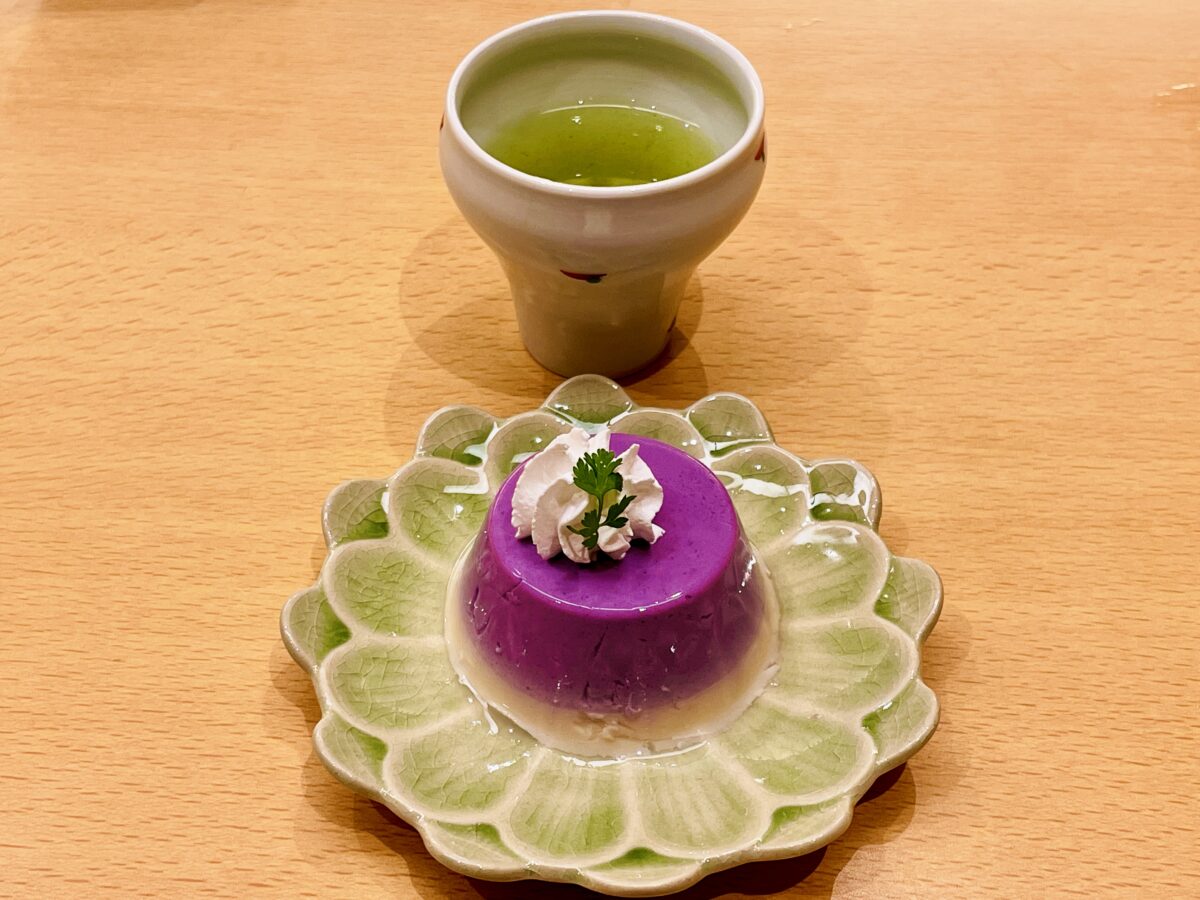
Ube, a root vegetable prized for its vivid purple hue, has rapidly expanded from traditional Filipino cuisine into global beverage and dessert trends. Driven by its sweet, creamy flavor and plant-based appeal, it routinely anchors specialty lattes, pastries, and ice creams. Its distinct color has also fueled a reputation as a functional wellness ingredient. But does ube actually live up to the health hype?
Native to the Philippines, ube is a yam-like tuber containing high levels of anthocyanins—plant pigments in the flavonoid family responsible for its striking violet shade. Anthocyanins are potent antioxidants that help neutralize free radicals, reduce cellular damage, and support cardiovascular health, visual acuity, and systemic inflammation control.
According to the Cleveland Clinic, ube "not only adds vibrant color to dishes, but is also an excellent source of vitamin C and a good way to add fiber to your diet." A standard 100-gram serving yields 120 calories, 27 grams of carbohydrates, 4 grams of dietary fiber, and 1 gram of protein, with zero naturally occurring sugar. That same serving delivers roughly 40% of the recommended daily intake of vitamin C.
Gut Health and Glycemic Control
Beyond vitamins, ube supports digestive health. "The soluble fiber abundant in ube helps promote regular bowel movements and increases beneficial bacteria living in the gut microbiome," explains registered dietitian Gillian Culbertson.
Additionally, the root contains resistant starch, a carbohydrate that digests slowly to prevent sharp blood sugar spikes. As resistant starch ferments in the large intestine, it generates short-chain fatty acids that protect the intestinal lining and help manage symptoms of irritable bowel syndrome (IBS).
The Commercial Trap: Powdered Ube and Sweetened Desserts
However, the primary concern lies in how ube is commercially processed and consumed. In markets such as South Korea, fresh, whole ube is rarely available. Instead, food vendors predominantly use processed ube powder to flavor and color lattes, cakes, and other confections.
Even when made from pure dehydrated ube, powdered forms lack the structural integrity of whole root vegetables, diminishing the degree to which dietary fiber slows down digestion and nutrient absorption. Furthermore, commercial preparations typically combine ube powder with heavy cream, refined sugar, whole milk, butter, and processed flour—effectively negating its health profile.
Nutritional experts warn consumers not to mistake a vibrant purple aesthetic for health food. Herbal medicine practitioner Kim Kyung-soon noted that ube-flavored treats are largely processed foods dense in sugar and saturated fats. "Ube's purple color gives it a strong antioxidant image, but nutritionally, it is closer to starchy carbohydrates like potatoes or sweet potatoes," Kim explained.
Rather than assuming drinks or baked goods are healthy simply because they contain ube, consumers should scrutinize total calories, added sugars, and fat content. Frequent consumption of ube-based desserts offers little functional benefit and may instead contribute to weight gain and metabolic disruption.