

A protruding abdomen can dramatically alter how clothes fit, even without significant overall weight gain. While it is easy to assume that a expanding waistline is simply fat accumulation, the underlying causes vary widely—ranging from visceral fat buildup and constipation to fluid retention triggered by high sodium intake. Identifying the specific trigger allows for targeted dietary adjustments to effectively manage the midsection.
Target Abdominal Fat with Calorie Control and Protein
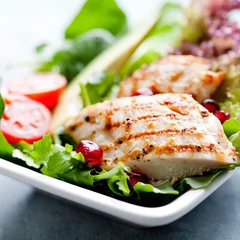
If an expanding waistline stems from a true buildup of abdominal fat, auditing total daily caloric intake is the essential first step. Incorporating protein-rich foods—such as fish, eggs, beans, tofu, and lean meats—helps maintain satiety longer, curbing the urge to overeat or snack between meals. Consuming adequate protein also helps preserve muscle mass during weight loss.
Because no single food can spot-reduce belly fat, long-term success relies on pairing regular physical activity with a diet centered on vegetables, whole grains, and lean proteins, while cutting back on refined carbohydrates and high-calorie snacks. Sustainable calorie management and increased energy expenditure remain the most effective strategies for trimming abdominal fat.
Ease Constipation with Fiber and Hydration
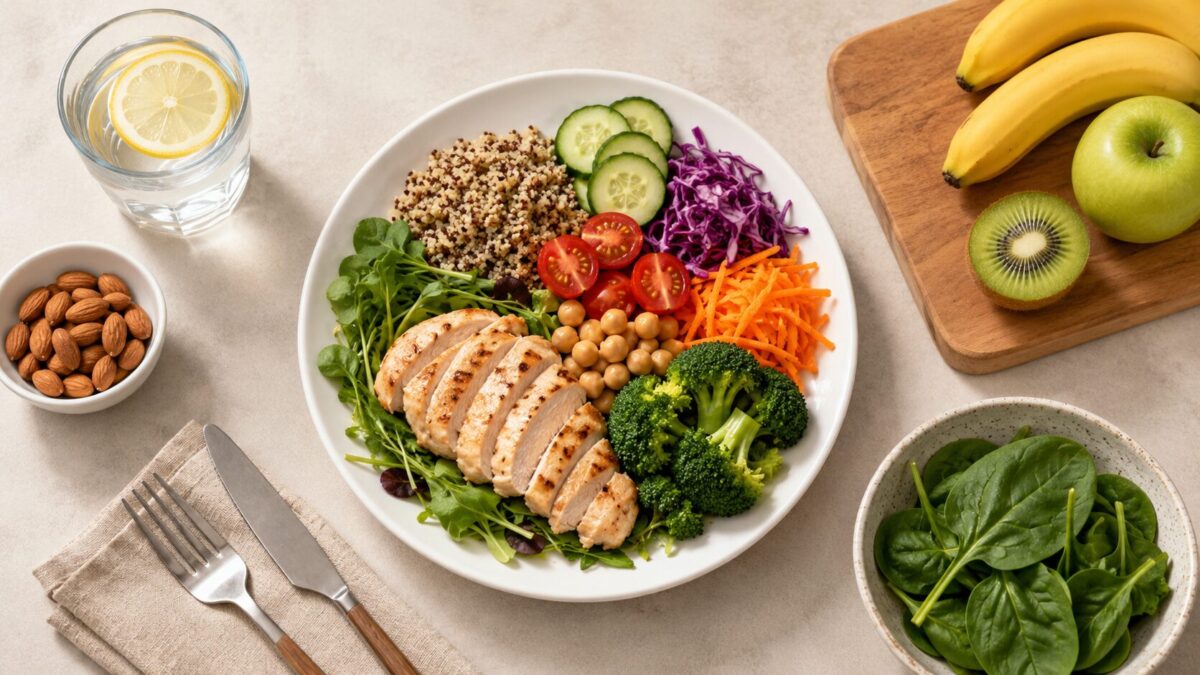
When chronic constipation occurs, trapped stool and gas in the intestines can cause the lower abdomen to distend, creating a bloated appearance even if body fat remains unchanged. In these cases, adding fiber-rich foods—such as whole grains, legumes, fruits, and vegetables—to every meal alongside plenty of water can help restore regularity.
However, fiber should be introduced into the diet gradually. Unaccustomed digestive systems can struggle to process sudden spikes in dietary fiber, leading to increased intestinal gas and aggravated bloating. Individuals who experience severe abdominal distension or pain after eating specific foods should consult a physician to rule out underlying gastrointestinal conditions.
Balance Sodium and Fluid Retention with Potassium-Rich Foods
Frequent consumption of soups, stews, processed meats, instant noodles, and savory sauces can cause daily sodium levels to quietly surge past the World Health Organization's recommended limit of 2,000 milligrams per day. Excess sodium disrupts the body's fluid balance, causing water retention that leaves the midsection feeling tight, heavy, and visibly swollen.
To counteract water retention, shift toward potassium-dense options such as bananas, potatoes, spinach, and legumes. Potassium works in tandem with sodium to regulate fluid levels and blood pressure. Simple daily adjustments—such as consuming less broth and using sauces as a dip rather than pouring them over meals—can significantly lower sodium intake.
Note: Individuals with compromised kidney function or disorders affecting potassium regulation should consult a medical professional before significantly increasing their potassium intake.