

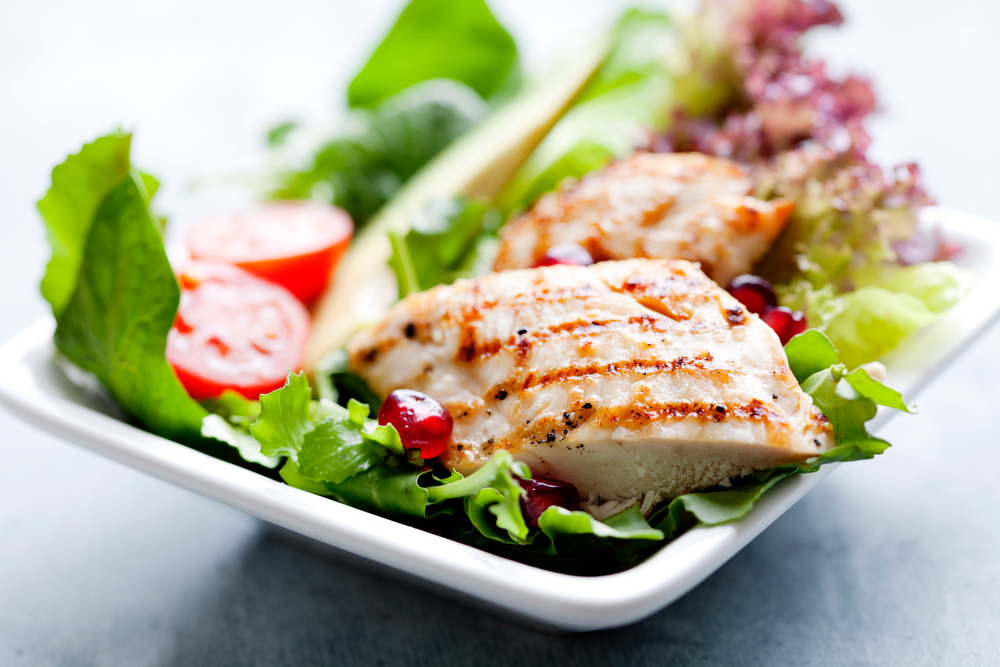
Chicken breast is a mainstay for weight loss and muscle maintenance. High in protein and low in fat, it serves as an ideal dietary staple because caloric restriction during a diet often leads to unwanted muscle loss. While beef and pork offer flavor and substantial protein, even lean cuts contain higher calories and saturated fats, leading many health-conscious individuals to limit their intake.
However, chicken breast has one notable downside: a dry, tough texture when cooked improperly. Knowing how to prepare it correctly makes all the difference in preserving both flavor and nutrition.
High Protein, Low Fat: Why Chicken Breast Stands Out
Chicken breast consists entirely of muscle fibers, which gives the meat its characteristic white appearance. Compared with beef or pork, it contains significantly less fat and cholesterol while offering higher levels of beneficial unsaturated fatty acids. It is easy to digest and absorb, making it an efficient energy source.
With a protein content of approximately 23%, chicken breast supports muscle preservation and immune function. The specific amino acids in poultry protein also aid in neurotransmitter regulation, helping the body manage stress.
Diversifying Daily Protein Intake
A standard 100-gram serving of chicken breast yields roughly 20 grams of protein—sufficient to meet the protein requirement for a single meal.
For comparison, a similar 20-gram dose of protein can be found in:
A palm-sized piece (100 grams) of mackerel
Three large eggs
One block (300 grams) of tofu
Rotating these protein sources across three meals daily ensures a well-rounded amino acid profile without relying exclusively on a single food. Incorporating plant-based proteins, such as beans and tofu, as side dishes further enhances overall nutrition.
Tenderizing Techniques and Optimal Pairings
Chicken breast becomes dry and crumbly when exposed to high heat for extended periods. To minimize dryness, steaming is preferable to boiling.
Soaking raw chicken breast in milk for 30 minutes tenderizes the muscle fibers and neutralizes gamey odors. Adding a squeeze of fresh lemon juice offers a similar deodorizing effect.
For a light, balanced meal, shredded chicken breast pairs exceptionally well with salads. Combining lean poultry with leafy greens (dietary fiber), fresh fruit (antioxidants), and olive oil (unsaturated fatty acids) creates a complete, nutrient-dense dish.
Recipe Idea: Refreshing Chilled Chicken Breast Soup
Chilled chicken breast soup offers a light, savory alternative to warm meals during hot weather.
Ingredients (2 servings): Dried kelp, cucumber, minced garlic, black pepper, soup soy sauce (guk-ganjang), salt, ice, and vinegar.
Prepare the stock: Steep a piece of dried kelp in 1 cup of cold water for 10 minutes.
Cook the chicken: Boil the chicken breast in 3 cups of water for 10 minutes. Reserve 2 cups of the cooking broth and let both the meat and broth cool.
Shred and season: Shred the cooled chicken breast and toss with minced garlic, ground black pepper, and a pinch of salt.
Prep the cucumber: Thinly slice the cucumber, sprinkle with salt, and let it sit briefly before squeezing out excess moisture.
Assemble: Combine the steeped kelp water with the 2 cups of chilled chicken broth. Season with 1/4 teaspoon of salt, a splash of soup soy sauce, and ice. Add the seasoned chicken and squeezed cucumber, then pour the chilled broth over top.
Adding a splash of vinegar just before serving enhances flavor while helping stabilize post-meal blood sugar levels.