Artificial intelligence tools that assist in interpreting X-ray images and drafting clinical notes will soon be deployed to public health centers in medically underserved regions across South Korea. At the same time, emergency transport services will begin using AI platforms that analyze patient severity alongside real-time hospital capacity to help paramedics determine the optimal emergency room destination.
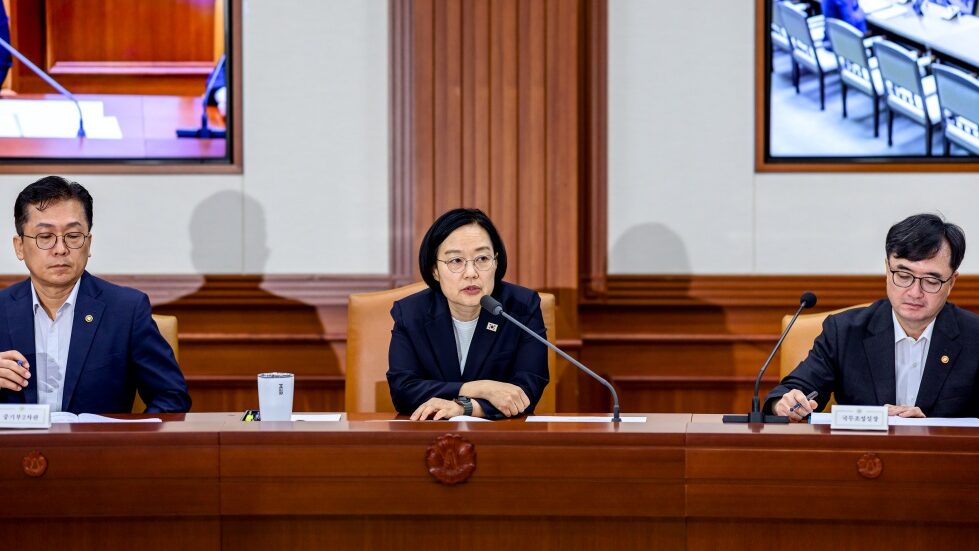
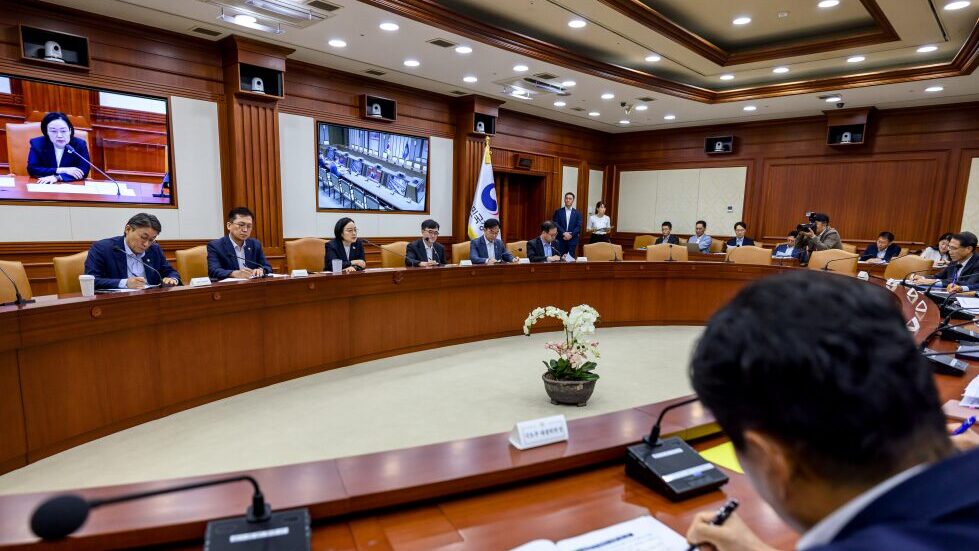
The South Korean government finalized its comprehensive "AI Basic Healthcare Strategy" during the 12th National Policy Coordination Meeting, chaired by Prime Minister Han Sung-sook. The whole-of-government initiative leverages AI technologies to alleviate critical staffing shortages in regional and essential healthcare while bridging geographic care disparities. Jointly prepared by relevant ministries, the strategy outlines 12 core initiatives across three pillars: tangible medical innovation for citizens, a unified national digital infrastructure, and a sustainable medical AI ecosystem.
Pilot programs focusing on emergency transport and public health administration will begin in the second half of this year. Beginning in 2027, the government plans to initiate the development of Korean-tailored medical AI models built on domestic health data. Government data projects that without intervention, the proportion of rural health subcenters (eup and myeon) lacking assigned public health doctors will rise from 59.5% in 2025 to 86.9% across 1,083 locations by 2027.
AI Support for Primary Care and Emergency Triage
Under the plan, an "AI support tool for primary care" will be distributed to public health centers, rural health subcenters, and primary care facilities in medically underserved regions. The tool will assist clinicians by interpreting diagnostic images like X-rays, automating clinical documentation, and assisting in the management of chronic conditions such as hypertension and diabetes. The software is designed to streamline administrative tasks and aid clinical decision-making rather than replace physicians.
In island and mountainous regions, the government will pilot AI-driven remote collaborative home care. When visiting nurses collect patient health metrics, AI algorithms will analyze the data to assist off-site physicians during remote consultations.
For emergency services, an integrated AI transport platform will analyze patient symptoms alongside real-time hospital bed availability and specialist capacity to recommend destination hospitals. A pilot program will launch in Daegu during the second half of this year. In addition, the government plans to develop "intelligent emergency rooms" where AI monitors patient condition changes and classifies triage levels to assist ER physicians..
Establishing a Public Healthcare AI Network
To support these applications, the government will build a "public healthcare AI expressway" connecting 72 regional responsible medical centers into a single network. Facilities will share access to a centralized, national GPU-based computing platform, eliminating the need for individual hospitals to invest in costly high-performance hardware. The network will launch across nine centers in the second half of this year, expanding to 30 sites by 2027 and reaching all 72 locations by 2029. Legacy IT systems at regional public hospitals will simultaneously be upgraded to cloud-based architecture.
Patient record-sharing between medical institutions will also expand through the "My Health Record" platform, allowing patients to transfer medical records and diagnostic images (such as CT and MRI scans) electronically without needing optical discs or duplicate tests. Additionally, a "national AI health secretary" will be launched to translate complex prescriptions and health screening results into accessible, plain language.
Developing Domestic Medical AI and Enforcing Data Safety
In medical research, the government will grant access to national bio big data covering 120,000 individuals in the second half of this year, scaling access to over 1 million participants by 2032 to accelerate drug discovery and medical technology R&D. Beginning in 2027, the government will commence development of "Korea-style medical AI" tailored specifically to the clinical characteristics and disease patterns of Korean patients.
To encourage adoption, the government is reviewing financial compensation structures for medical institutions that improve clinical outcomes using AI tools. It will also establish AI ethics and cybersecurity guidelines tailored for healthcare, alongside pursuing the enactment of a Digital Healthcare Act to oversee data privacy, usage standards, and security enforcement.
"AI is a vital tool for bridging regional public health gaps and protecting lives," said Health and Welfare Minister Jung Eun-kyung. "We will execute this strategy thoroughly so that citizens nationwide can benefit from AI-driven medical innovation."