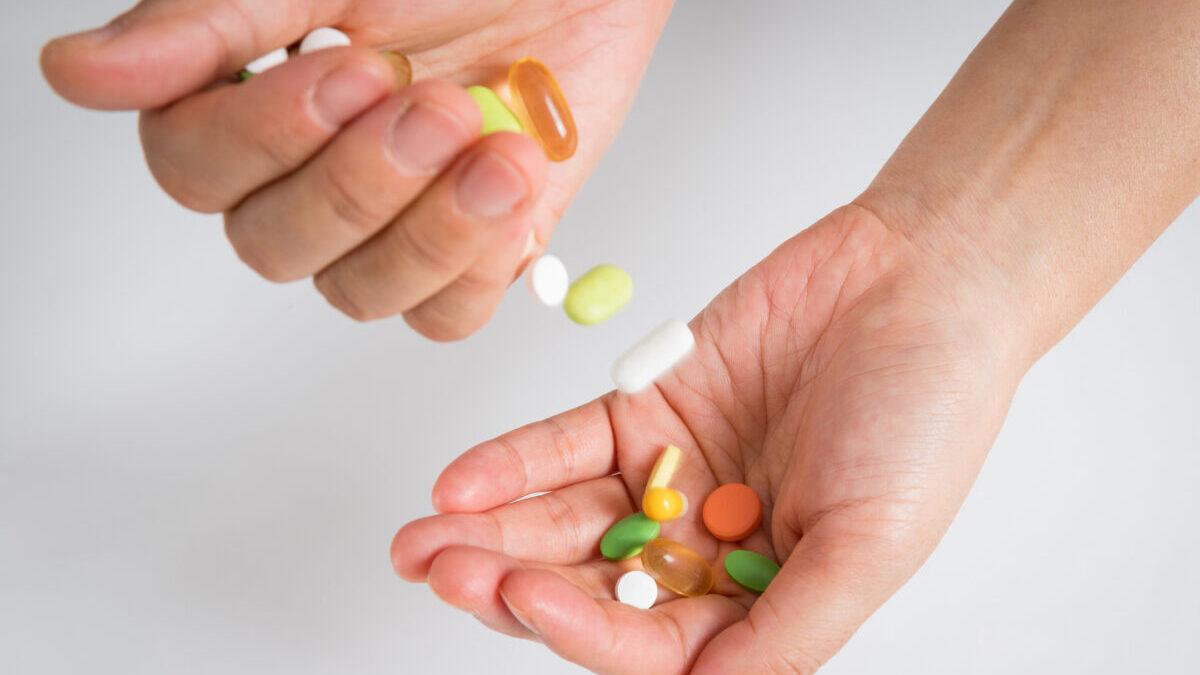
On rushed mornings, taking vitamins, omega-3s, probiotics, or protein powders has become a standard routine for many seeking a quick health boost. This convenience mindset has helped drive South Korea’s health functional food market to roughly 6 trillion won, fueled by aggressive marketing promising that a single pill can fill nutritional gaps and bolster immunity. However, health experts emphasize that dietary supplements are merely a backstop, not a replacement for a balanced diet. Breakfast plays a critical role in activating metabolism, supporting gut health, and stabilizing blood sugar levels.
As public interest in wellness expands, the supplement market has been flooded with products heavily promoted as cure-alls for immunity or disease prevention. Many products lacking rigorous scientific validation reach consumers through persuasive advertising—an issue highlighted in an episode of KBS’s current-affairs program Tracking 60 Minutes.
The broadcast examined the controversy surrounding commercial "drinkable albumin" products. Human albumin is a vital plasma protein that maintains blood osmotic pressure and transports hormones, fatty acids, and medications. In clinical settings, pharmaceutical-grade albumin is extracted from human plasma and administered intravenously for critical conditions such as liver cirrhosis, severe burns, sepsis, or major surgery.
In contrast, most commercial "drinkable albumin" products sold to consumers are simple food items derived from egg-white protein. One consumer interviewed on Tracking 60 Minutes noted, "After undergoing chemotherapy, I was concerned about my blood albumin levels, so I consistently took a drinkable albumin product. Contrary to my expectations, my albumin levels actually dropped."
The Korean Medical Association has issued explicit warnings regarding these products, stating that there is no clinical evidence that drinkable albumin improves fatigue or enhances immunity, and describing marketing that attributes special therapeutic properties to basic food items as deceptive. Drinkable albumin is just one example of unproven supplements gaining popularity through heavy promotion on social media.
Why Isolated Nutrients Cannot Replace Real Food
While supplements can help address specific nutrient deficiencies, they cannot replicate the complex matrix of whole foods. Fresh fruits and vegetables deliver not only vitamins and minerals, but also dietary fiber and thousands of plant-derived bioactive compounds (phytochemicals) such as polyphenols, flavonoids, and carotenoids. These compounds act synergistically to deliver antioxidant effects, reduce inflammation, and cultivate a healthy gut microbiome—a complex biochemical environment that isolated supplements cannot reproduce.
The American Heart Association recommends obtaining essential nutrients primarily from whole foods rather than supplements, except when medically necessary. Similarly, the U.S. Preventive Services Task Force concluded that evidence remains insufficient to recommend routine vitamin and mineral supplementation for preventing cardiovascular disease or cancer in healthy adults. Conversely, extensive research supports the protective effects of produce-rich diets. A 2017 meta-analysis of data covering nearly 2 million people, published in the International Journal of Epidemiology, found that consuming approximately 800 grams of fruits and vegetables daily (about 10 servings) was associated with significantly lower risks of premature death and cardiovascular disease.
Setting the Morning Tone with Produce
Breakfast does more than break an overnight fast; it supplies essential energy, activates metabolic pathways, and stabilizes blood sugar and appetite. Incorporating fruits and vegetables into the morning meal provides dietary fiber that blunts post-meal blood sugar spikes and nourishes beneficial gut bacteria.
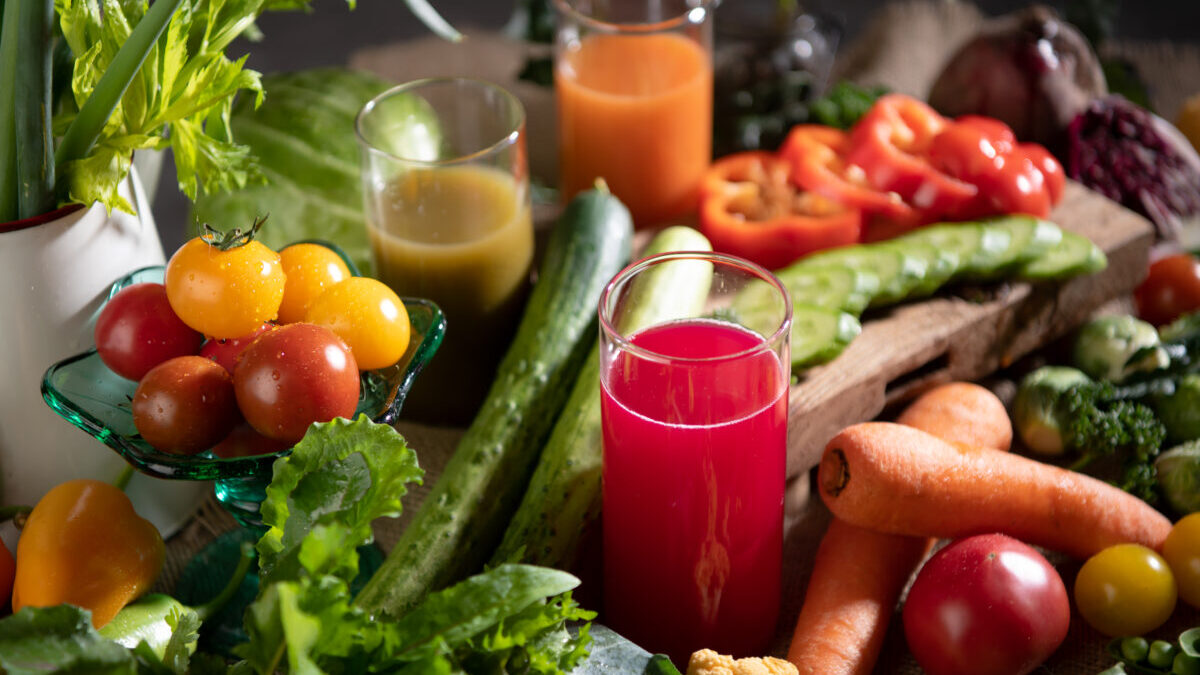
For individuals with tight morning schedules who struggle to prepare fresh produce, vegetable-forward cold-pressed juice offers a practical alternative. Although juicing removes most insoluble dietary fiber, the resulting juice retains water-soluble fiber, hydration, and an abundance of micronutrients and phytochemicals. Experts advise selecting vegetable-heavy blends without added sugars or concentrates to avoid unnecessary caloric spikes.
Cho Seung-woo, a licensed Korean medicine pharmacist, noted that raw vegetable and fruit juice serves as an ideal first meal because it requires minimal digestive energy while supplying rich vitamins and minerals. Cho added that such juices help clear metabolic waste accumulated in the liver and kidneys from processed or animal-based foods, providing antioxidant and anti-inflammatory benefits that support cellular health.
Ultimately, dietary supplements may provide targeted support for those with specific deficiencies, but whole food remains the foundation of long-term health. Rather than replacing breakfast with a handful of pills, experts advise prioritizing real meals built around fresh fruits and vegetables.