
On scorching summer days, it is easy to blame the weather when you sweat excessively, feel drained, or lie awake at night with a pounding heart. However, if palpitations and hand tremors persist even after adequate rest—and you are losing weight despite eating normally—hyperthyroidism may be the underlying cause.
The thyroid is a butterfly-shaped gland located at the front of the neck. It produces hormones that regulate the body's metabolic rate, temperature, and heart rate. Hyperthyroidism occurs when the gland produces an excess of these hormones, effectively accelerating many of the body's physiological functions into overdrive.
Recognizing the Signs of an Overactive Thyroid
Beyond heat sensitivity and heavy sweating, classic symptoms of hyperthyroidism include a racing heart or irregular pulse, hand tremors, anxiety, nervousness, and insomnia. Unexplained weight loss despite an unchanged or increased appetite is another hallmark sign. Patients may also experience more frequent bowel movements or diarrhea, while women may notice lighter menstrual flow or irregular cycles. While these symptoms can mirror the effects of heat, fatigue, or stress, their persistent occurrence warrants medical evaluation.
The primary cause of hyperthyroidism is Graves’ disease, an autoimmune disorder in which the immune system mistakenly stimulates the thyroid gland to produce excessive hormones. Other causes include toxic nodules—benign thyroid lumps that independently secrete excess hormones—and toxic multinodular goiter. Temporary hyperthyroidism can also occur during thyroiditis, an inflammation that causes stored hormones to leak into the bloodstream.
Diagnosis and Tailored Treatment Options
Diagnosis primarily relies on blood tests. In cases of hyperthyroidism, levels of thyroid-stimulating hormone (TSH)—the hormone that signals the thyroid to function—typically drop, while active thyroid hormone levels rise. To pinpoint the exact cause, physicians may order thyroid antibody tests, an ultrasound, or a radioactive isotope scan to assess gland activity.
Treatment strategies vary depending on the underlying cause, patient age, gland size, overall health, and pregnancy status. The three primary options include anti-thyroid medications that suppress hormone production, radioactive iodine therapy, and surgical removal (thyroidectomy). In South Korea, anti-thyroid medication is the most common first-line approach, requiring regular blood tests to fine-tune dosages. If side effects arise or the condition recurs, radioactive iodine therapy or surgery may be considered.
While lifestyle modifications alone cannot prevent hyperthyroidism, individuals with a personal or family history of thyroid disease, thyroid nodules, or goiters should remain vigilant. Older adults, postpartum women, and those taking iodine-containing medications are also at higher risk. Medical experts advise against consuming excessive amounts of iodine-rich health supplements or concentrated seaweed products without consulting a doctor.
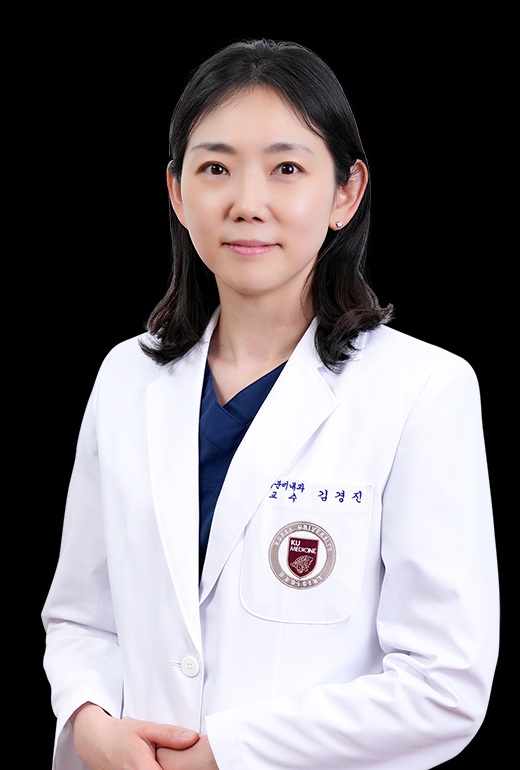
"Because hyperthyroidism closely resembles symptoms caused by fatigue, stress, or heat, diagnosis is frequently delayed," said Kim Kyung-jin, a professor in the Division of Endocrinology at Korea University Anam Hospital. "If left untreated, it can lead to serious complications such as arrhythmia, heart failure, and osteoporosis. If you experience persistent palpitations, hand tremors, or unexplained weight loss, you should seek an accurate medical evaluation."
Kim added, "Even after diagnosis, regularly checking thyroid hormone levels and adhering to treatment as directed by medical staff will allow you to effectively manage symptoms and prevent complications."