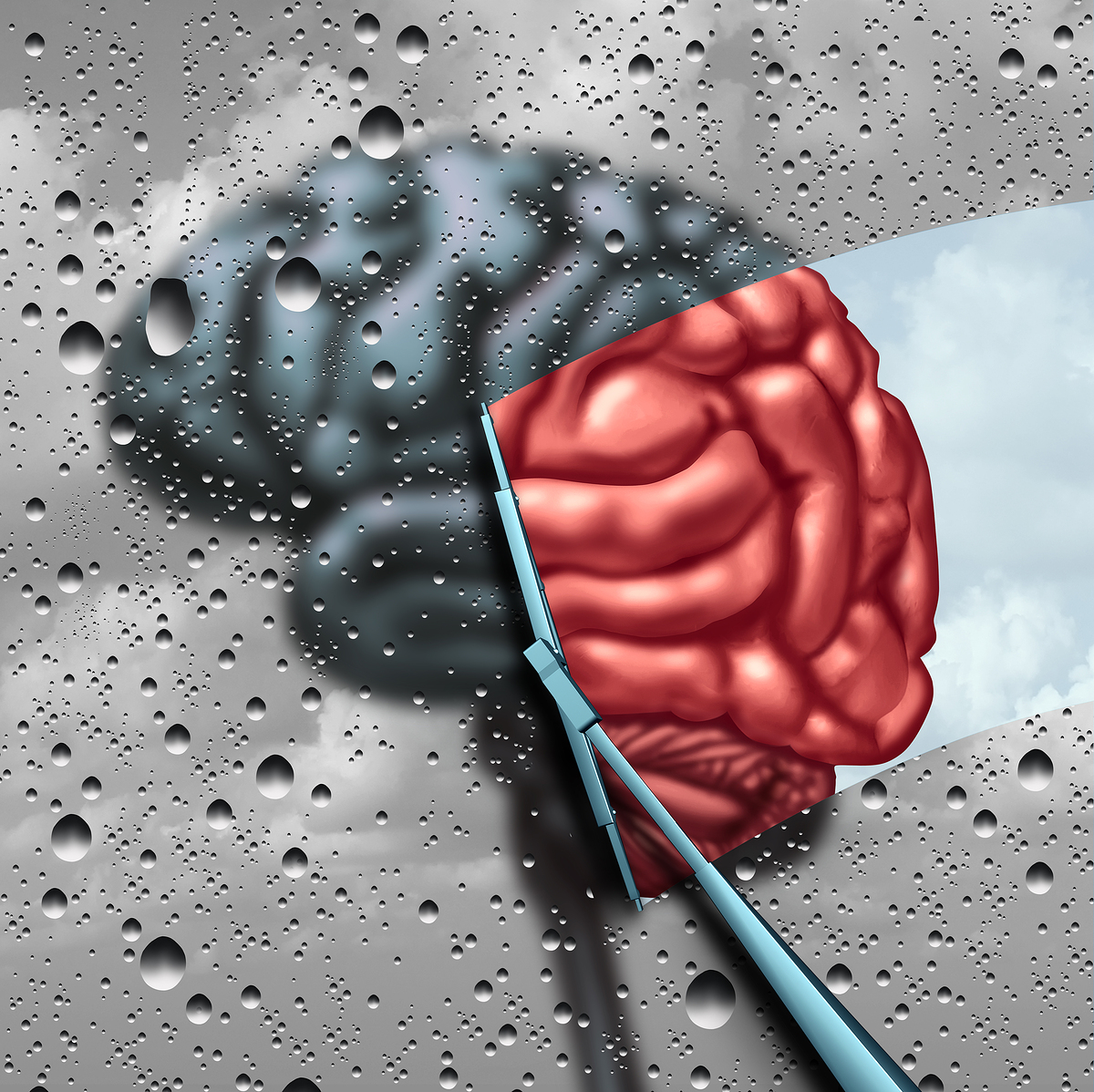
"I slipped and broke my wrist." "I fell, broke my hip, and even had to get surgery."
Most people chalk these injuries up to simple bad luck. But after middle age, it is worth asking not only "Why did I fall?" but also "Why did my bone break from that level of impact?" Already-weakened bones may not withstand even a relatively minor shock.
Ko Young-wan, director of the Joint Center at Incheon Nanuri Hospital, noted, "Patients come to the hospital because of a fracture, but the underlying condition that often requires treatment is the osteoporosis hidden behind it. A fracture is often the final signal that osteoporosis sends."
Bones Break Down and Rebuild Every Day—A Balance That Shifts with Age
Bone is not static tissue that stays unchanged once formed. In the human body, specialized cells called osteoclasts remove old bone tissue while osteoblasts build new bone continuously. During youth, the amount removed and rebuilt remains in balance. With advancing age, however, bone loss begins to exceed reconstruction. In women, bone loss accelerates sharply following menopause as estrogen levels drop.
"Just as a building can look fine from the outside but collapse from a small shock if its internal rebar has corroded, osteoporosis can leave bones looking normal on the surface while severely weakening their internal structure," Ko explained.
Osteoporosis rarely produces clear warning signs while bones are progressively weakening. Even if posture bends slightly or height decreases, people frequently dismiss it as a normal part of aging. Then, after something as simple as landing hard on the buttocks or catching themselves with a hand during a minor fall, they suffer a fracture of the vertebra, wrist, or hip—discovering the underlying condition only after the injury occurs.
"They Said It’s Not Osteoporosis?"—BMD Isn't the Whole Story
An important catch exists: fractures frequently occur even when a bone mineral density (BMD) T-score does not meet the diagnostic threshold for osteoporosis.
In postmenopausal women and men aged 50 and older, clinicians primarily evaluate bone health using a T-score, which compares a patient's BMD with the average for healthy young adults. A T-score of -2.5 or lower indicates osteoporosis, while a score between -1.0 and -2.5 is classified as osteopenia. Osteopenia signifies lower-than-normal bone density, but based on BMD figures alone, it has not reached full osteoporosis.
However, that single number does not capture every dimension of bone strength. Real-world fracture risk is equally shaped by age, prior fracture history, bone microarchitecture, and fall likelihood. Consequently, a 50-year-old and an 80-year-old do not share the same fracture risk even with identical BMD scores. Anyone who has fractured a bone from a minor impact should not assume their risk is low based solely on BMD results.
Many people suffer fractures during the osteopenia stage, partly because the population with osteopenia is substantially larger than the population diagnosed with osteoporosis. Rather than taking false comfort in a non-osteoporosis score, individuals must evaluate their risk by looking at age, past fractures, family history, and medication history together.
Ko advises that losing 2 to 3 centimeters or more in height compared with the past, or breaking a bone from a minor impact, warrants a formal bone health evaluation. Individuals whose parents have a history of hip fractures, as well as those taking long-term steroid medications, must also exercise extra caution.
Writing off height loss as simple aging is a mistake. When bones weaken, vertebrae can compress and deform—a condition known as a vertebral compression fracture—leading to reduced height and a hunched back. Because the accompanying pain can be mild, some people do not even realize a fracture has occurred.
Early osteoporosis can be difficult to detect on standard X-rays alone. The most widely used diagnostic tool is dual-energy X-ray absorptiometry (DXA), which utilizes X-rays at two different energy levels to measure BMD, primarily in the lumbar spine and hip.
"Just as you cannot tell how strong internal rebar is by looking only at the exterior of a high-rise, a BMD test checks how dense the inside of the bone is," Ko said.
When necessary, physicians also run blood tests to evaluate calcium and vitamin D levels, check for underlying diseases that weaken bones, and measure bone turnover markers in blood or urine. These markers reflect the rates of bone formation and resorption, helping doctors monitor treatment progress.
The appropriate timing for testing varies by individual. Older adults, individuals who have suffered low-impact fractures, underweight individuals, those with a parental history of hip fracture, or patients on long-term steroids should consider getting tested earlier. Under South Korea’s national health screening program, complimentary BMD testing is provided to women at ages 54, 60, and 66. However, anyone with key risk factors should consult a physician regardless of age.
Once You’ve Fractured a Bone, Don’t Let Your Guard Down—17% Re-Fracture Within Two Years
Healing at the fracture site does not mean the underlying risk has vanished.
In a study published in Bone in 2025, researchers from Pusan National University, Kyung Hee University, and other institutions analyzed Health Insurance Review & Assessment Service (HIRA) data on patients aged 55 and older who experienced osteoporotic fractures in 2013. The study tracked repeat fractures among patients who had not suffered the same type of fracture in the preceding year.
About 17 percent of patients suffered another fracture within two years. Among those who experienced a repeat fracture, approximately 28 percent broke a bone again within the following two years—indicating that as fractures recur, the risk of subsequent injuries in the near term escalates.
If treatment ends merely with fixing the fracture site, the underlying factors that heightened the risk of the next fracture remain unaddressed. Patients must confirm whether osteoporosis is present, initiate medical treatment if necessary, and engage in targeted physical management to reduce falls by building muscle strength and balance.
In practice, many patients still do not receive necessary prescriptions following a fracture. According to an analysis of South Korean health insurance data published in the Journal of Bone Metabolism in 2025, the proportion of patients prescribed osteoporosis medications within one year of a fracture rose from 31.1 percent in 2006 to 39.9 percent in 2021. Still, even in 2021, roughly 6 out of 10 fracture patients were not prescribed osteoporosis medication within a year.
Hip fractures represent an area requiring particular vigilance. Occurring where the femur meets the pelvis, a hip fracture severely impairs mobility, often requiring surgery and prolonged rehabilitation. Reduced physical activity can lead to muscle loss, making it difficult to return to independent daily living.
A Korean study published in Bone compared 39,670 people who suffered hip fractures with 73,428 control subjects. To minimize the influence of the acute post-fracture period, researchers tracked long-term mortality risk starting one year after the injury. Mortality risk was significantly higher in the hip fracture group, with life expectancy among individuals in their 70s reduced by an average of 2.94 years for men and 2.03 years for women. However, because this was an observational study, it cannot be concluded that hip fractures directly caused the reduction in life expectancy, as unmeasured confounding factors may remain.
Can Medication Prevent Fractures Before Osteoporosis Sets In?
Medical research is increasingly exploring whether therapeutic intervention should begin earlier—reducing fracture risk during the pre-osteoporosis stage rather than waiting for the disease to progress before starting medication.
In 2025, The New England Journal of Medicine (NEJM) published results from a 10-year clinical trial following 1,054 early postmenopausal women aged 50 to 60. Participants exhibited lower BMD than the young-adult average, but their T-scores remained above -2.5, meaning they did not meet the diagnostic criteria for osteoporosis.
The researchers administered zoledronic acid, an intravenous bisphosphonate medication that suppresses excessively rapid bone resorption. Among women who received zoledronic acid twice—at the start of the study and again five years later—new spinal fractures identified on X-rays occurred in 6.3 percent of participants over 10 years, compared with 11.1 percent in the placebo group. The study defined morphometric vertebral fractures as cases where vertebral height decreased by 20 percent or more compared with prior X-rays.
These findings do not suggest that every woman in her 50s or every patient with osteopenia should automatically begin preventive medication. Treatment decisions must be made by carefully weighing overall risk, including individual BMD scores, prior fractures, and age.
Medication alone is not the sole safeguard for bone health. Consuming adequate protein, calcium, and vitamin D, alongside regular strength training, plays a vital role in protecting both muscles and bones. Exercises that enhance balance can also significantly reduce the likelihood of falls.
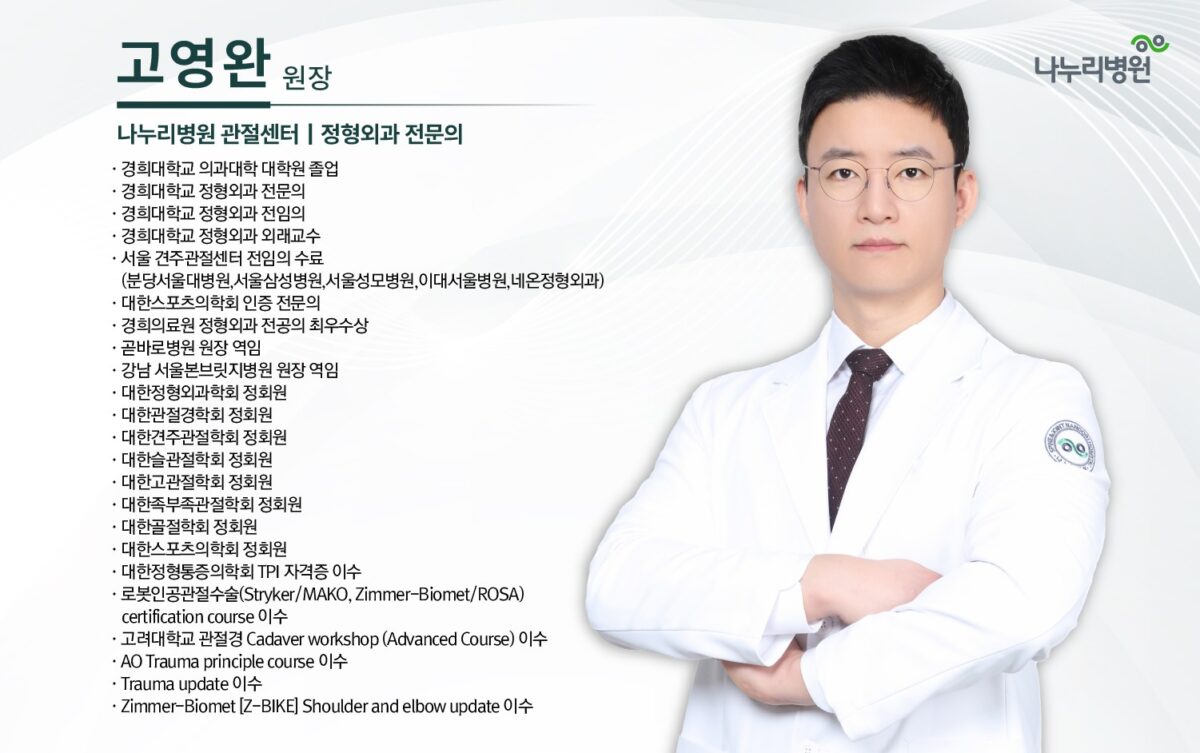
"Osteoporosis is a disease in which bones weaken, but what we ultimately must prevent is fractures," Ko said. "After age 50, building the habit of regularly checking bone health—just as you manage blood pressure and blood sugar—is the most effective way to protect healthy life expectancy."
If you suffer a fracture from a minor impact after middle age, avoid writing it off as mere bad luck. Along with asking why you fell, you should also examine why your bones could not withstand that level of impact.