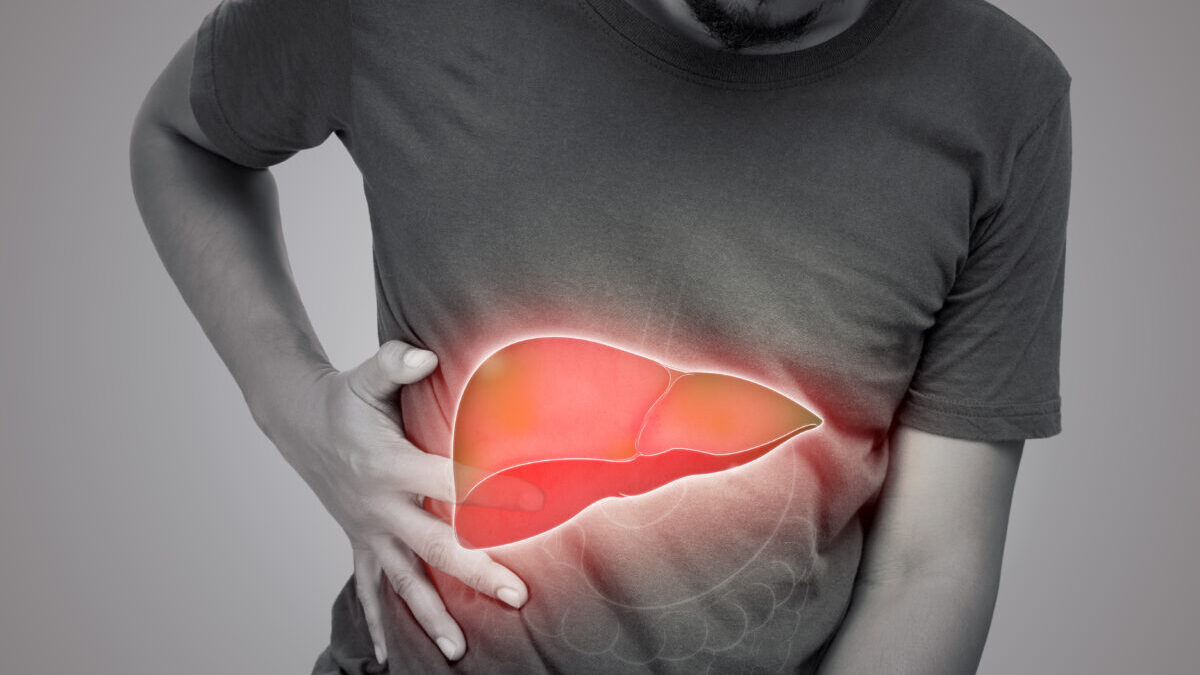
Young adults in South Korea who experience depressive symptoms face roughly twice the risk of developing fatty liver disease, with the risk escalating alongside symptom severity, according to a recent study published in Psychiatry Research. Researchers highlighted the findings as the first to establish a connection between depressive symptoms and fatty liver using a sample representative of young adults in South Korea.
A joint research team led by Professor Heo Yeon of the Department of Family Medicine at Seoul St. Mary's Hospital, Professor Oh Sang-hoon of the Department of Psychiatry at Uijeongbu Eulji University Hospital, and Professor Nam Ga-eun of the Department of Family Medicine at Korea University Guro Hospital analyzed data from 7,831 adults aged 19 to 44 who participated in the 2014–2022 Korea National Health and Nutrition Examination Survey (KNHANES). The researchers excluded 10,955 individuals who tested positive for hepatitis B or C or engaged in moderate-to-heavy alcohol consumption. Depressive symptoms were evaluated using the Patient Health Questionnaire-9 (PHQ-9), while fatty liver was defined via the Hepatic Steatosis Index (HSI).
The analysis revealed that the prevalence of fatty liver was 33.9% in the group with depressive symptoms (PHQ-9 score of 10 or higher), compared to 23.8% in the group without depressive symptoms. Even after adjusting for socioeconomic background, lifestyle habits, and underlying medical conditions, individuals with depressive symptoms maintained approximately double the risk of developing fatty liver.
Risk Escalates with Symptom Severity and Metabolic Risk Factors
The risk of fatty liver rose consistently as depressive symptoms intensified. Compared to participants with minimal depressive symptoms (PHQ-9 score of 0–4), those with moderate depressive symptoms (PHQ-9 score of 10–14) showed a 1.95-times higher risk. The risk reached 2.41 times higher among participants with severe depressive symptoms (PHQ-9 score of 15 or higher). The association proved even stronger among young adults who also had obesity or dyslipidemia.
"This indicates that the more metabolically vulnerable a young person is, the greater the impact depressive symptoms exert on liver health," the research team noted.
Most prior studies investigating the link between depression and metabolic liver disease have focused on middle-aged and older populations, Western cohorts, or specific high-risk groups. The researchers emphasized the importance of examining young Asian adults, a group in whom metabolic abnormalities can emerge early but who also maintain a high capacity for full recovery through timely lifestyle interventions.
"This study reinforces that depressive symptoms are tightly interwoven with metabolic conditions like fatty liver disease, rather than existing purely as isolated mental health issues," said Professor Heo Yeon. "Young adults presenting with depressive symptoms require integrated healthcare management that addresses both psychiatric wellbeing and metabolic markers, including body weight, blood glucose, lipid profiles, and liver function."
A Timely Reminder on World Hepatitis Day
July 28 marks World Hepatitis Day, an annual awareness campaign established by the World Health Organization (WHO) to improve testing, prevention, and treatment for viral hepatitis B and C, with the goal of eliminating viral hepatitis as a public health threat by 2030. While non-alcoholic fatty liver disease stems from metabolic dysfunction rather than viral infection, unmanaged fat accumulation can similarly advance to steatohepatitis, liver fibrosis, cirrhosis, and liver cancer.
Fatty liver disease occurs when fat builds up in 5% or more of liver cells. It is one of the most widespread chronic liver conditions globally, affecting roughly 30% of adults worldwide and between 30% and 40% of adults in South Korea. Because the condition remains largely asymptomatic in its early stages, it is frequently detected during routine health screenings. While early-stage fatty liver can often be reversed through dietary modifications and weight loss, early detection and sustained management remain critical to preventing long-term hepatic complications.