Many people are stunned when routine blood work from a health screening comes back showing hypercholesterolemia—an excessive buildup of cholesterol in the blood. When high triglycerides are also present, the condition is diagnosed as hyperlipidemia. Questions quickly pile up: Is it diet? Genetics? What is happening inside the body? Without prompt management, arterial blockages in the heart and brain can develop silently over time.
Only Half of Patients Take Effective Medication
According to the Korea Disease Control and Prevention Agency’s (KDCA) "2025 Status and Issues of Chronic Diseases" report, hypercholesterolemia among adults aged 19 and older has steadily increased over the past decade. A broader concern is that many people remain unaware of their condition or leave it untreated. Between 2019 and 2021, disease awareness stood at just 63%, while the treatment rate was a low 56%. Even though lipid-lowering medications are highly effective—controlling total cholesterol below 200 mg/dL in 8 out of 10 medicated patients—nearly half of those diagnosed fail to take them.
Blocked Vessels Can Lead to Sudden Death
Delaying treatment accelerates atherosclerosis, a process where cholesterol plaques build up along arterial walls, narrowing blood vessels and restricting blood flow. This impaired circulation deprives cardiac tissue of oxygen and essential nutrients, triggering severe cardiovascular conditions such as angina or myocardial infarction (heart attack). Without regular monitoring and therapeutic intervention, the progression of atherosclerosis can ultimately result in sudden death.
Dietary Drivers and Diverse Risk Factors
While diet plays a major role in elevated cholesterol, it is not the sole factor. Genetics, body weight, physical inactivity, alcohol consumption, chronic stress, underlying medical conditions, and certain medications all influence lipid levels. Dietary contributors primarily include saturated fats and dietary cholesterol found in red meat, organ meats, and processed meats like ham and sausage. Deep-fried foods and beverages loaded with high-fructose corn syrup also drive up cholesterol levels.
Cholesterol patterns also vary significantly by sex. Prior to menopause, women generally maintain lower total cholesterol levels than men. However, post-menopausal hormonal shifts cause cholesterol levels in women to rise steadily, often surpassing men's levels between the ages of 60 and 65.
Dietary Choices and Lifestyle Prevention
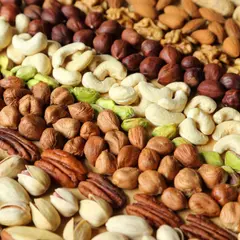
Managing hypercholesterolemia requires consistent dietary adjustments. Incorporating fiber-rich vegetables like broccoli and cabbage, alongside whole grains such as brown rice, barley, and oats, helps clear excess lipids. Unsaturated fatty acids—found in nuts (recommended at about a handful daily) and oily fish like mackerel, salmon, tuna, and Spanish mackerel—further support vascular health. Replacing sugary, high-fructose drinks with water, barley tea, or low-fat milk is equally beneficial.
Alongside dietary improvements, regular physical activity helps burn calories and optimize lipid profiles. Health experts emphasize that the most reliable defense against hypercholesterolemia is routine screening via blood tests, which require fasting for 9 to 12 hours prior to testing for accurate results.