(Editor’s note)
Travel is not only about taking in beautiful scenery. Sometimes, it drops you into a moment that feels lifted straight from a movie, gives you room to breathe amid the daily grind, and becomes an active journey of well-being that helps restore a worn-out body and mind. Kormedi.com’s series "Walking the World, Finding Well-Being" takes readers into real-life scenes around the globe, sharing the unique history and culture each country carries alongside the ways local people safeguard their physical and mental health.
A country where you can find all four seasons in a single day
When conversations turn to travel, people inevitably start asking questions: Which country was the best? Which country would you recommend? Which place do you want to visit again?
The country I recommend without hesitation is Argentina. I firmly believe that no matter who goes, more than half will come back saying, "Ah, that was truly great."
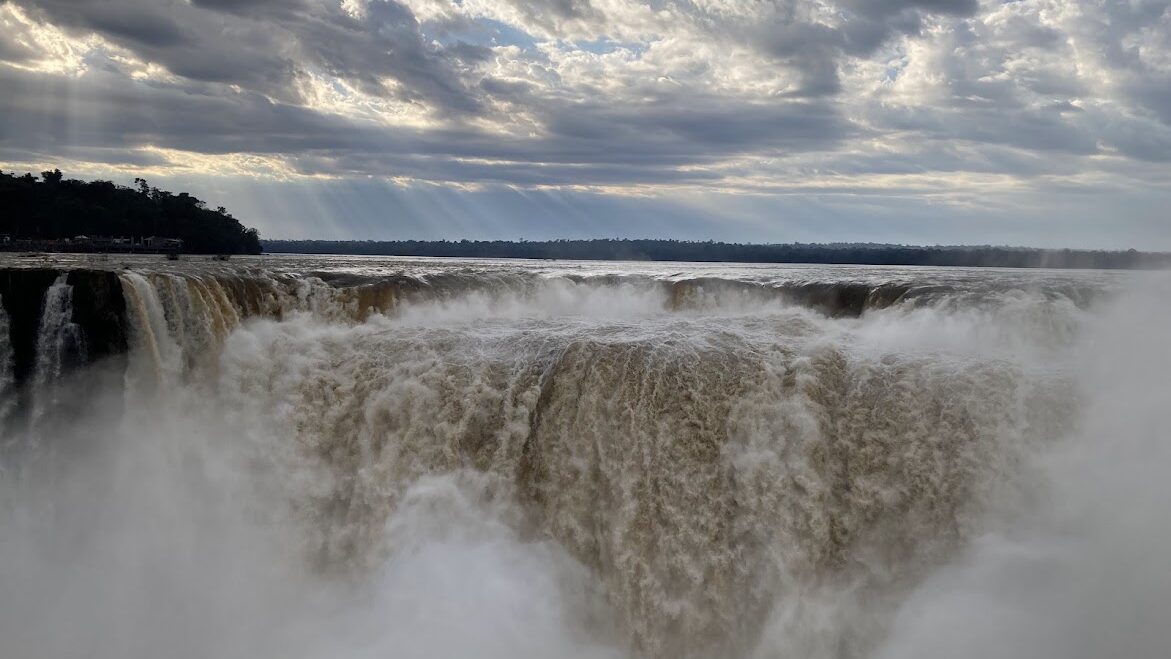
To start, no matter which of the 365 days of the year you arrive, Argentina offers all four seasons simultaneously. In the north near Iguazu Falls, it is mid-summer, while in the south near the Perito Moreno Glacier, winter exists at the exact same time. The country is also immense, ranking as the eighth-largest nation in the world by land area—roughly 28 times the size of South Korea. Yet, its abundant nature and breathtaking landscapes scattered across the territory too often fail to receive the global recognition they deserve.
Soccer as a faith amid social anxiety
Argentina is frequently cited as a textbook example of a nation whose global image has suffered due to populism. Today, the country feels perpetually unstable, to the point where it is hard to believe it enjoyed the dazzling glory of being one of the world's four wealthiest nations in the early 20th century.
Perhaps that is why, in the capital city of Buenos Aires, each visit leaves me with the strong impression that locals' expressions are growing progressively darker, and warm greetings are becoming harder to come by. Speaking with residents reveals a shared history of thinking, "Things will surely improve now; this administration will be different." But as hope repeatedly turned into disappointment, people found fewer reasons to smile, and that fatigue shows plainly on their faces.
This year, however, the faces of Argentines brightened for a month or two, thanks entirely to soccer. Even though they ultimately had to settle for a runner-up finish at the North and Central America World Cup, the sport provided a vital reprieve. In Argentina, soccer—running in a direct line from Diego Maradona to Lionel Messi—is far more than a mere sport. It is a shared faith and a critical pillar of mental health. A soccer culture in which an entire nation erupts in loud, collective cheering and emotional release serves as a powerful prescription akin to modern medicine: relieving stress and preventing depression through deep communal solidarity.
Economic hardship, historical scars, and welcoming travelers
Still, soccer cannot solve every daily burden. To survive, people need money, and the fact that exchange rates swing between extreme highs and lows far too quickly remains a fatal vulnerability for the country. As in most South American nations, the U.S. dollar carries immense clout, with crisp new $100 bills receiving preferential treatment above all else. Just a few years ago, unofficial private exchange booths (Cambios) routinely offered significantly better rates than traditional banks.
Following the inauguration of President Javier Milei in 2023, this unusual exchange-rate system underwent drastic changes. As Argentina secured loans from the International Monetary Fund (IMF), loosened foreign-exchange controls, and moved toward realistic official exchange rates, the peso experienced a sharp devaluation. The immediate consequence was a spike in import prices, re-igniting inflation that the government had only just begun to stabilize. As of 2026, with surging raw material and consumer prices alongside soaring housing rents, the economic pain endured by ordinary citizens has reached an extreme, written clearly on local faces.
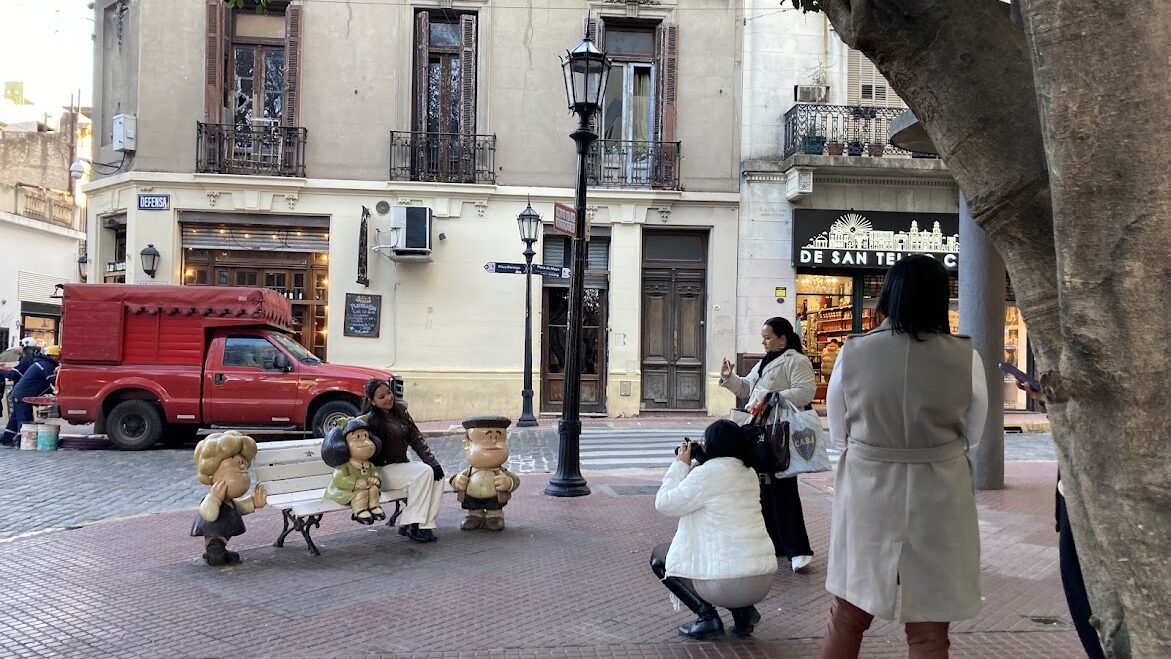
Furthermore, the deep scars of the "Dirty War"—the period of state violence and forced disappearances under the military dictatorship from 1976 to 1983—have never fully healed, contributing to a lingering social darkness. These historical wounds were famously depicted in The Official Story, which became the first Argentine film to win the Academy Award for Best Foreign Language Film in 1985, as well as the more recent film Argentina, 1985. Without understanding these real-world backdrops, travelers can easily misinterpret why local staff, even at hotels, can appear stingy with greetings. Visitors may also be caught off guard by subtle discriminatory looks, which stem in part from the fact that an overwhelming majority of the population is white. From the standpoint of a traveler passing through rather than putting down roots, one must simply chalk it up to the dual sides of hospitality and discrimination present in every country.
Navigating a forest of buildings to find breathing room
The film with a title so long it feels like you might run out of breath reading it—The Probability of Falling in Love in Buenos Aires (Medianeras)—opens with a rant against urban planning, arguing that the city's haphazardly built high-rises actively get in the way of romance. Opening a window often reveals nothing more than the blank wall of the neighboring building, while a life centered around digital environments means technological development has paradoxically made genuine human connection more difficult.
Of course, Buenos Aires is hardly the only city where buildings rise without a master plan and skylines lack uniformity. Personally, I do not find Buenos Aires to be such a concrete jungle that it blocks love. Still, there are practical drawbacks: many four-star chain hotel buildings, despite their grand exteriors, suffer from weak water pressure or unreliable hot water systems. Because these hotels frequently operate out of remodeled historical structures, upgrading aging drainage pipes is difficult, making a comfortable shower a rare luxury around the old downtown core.
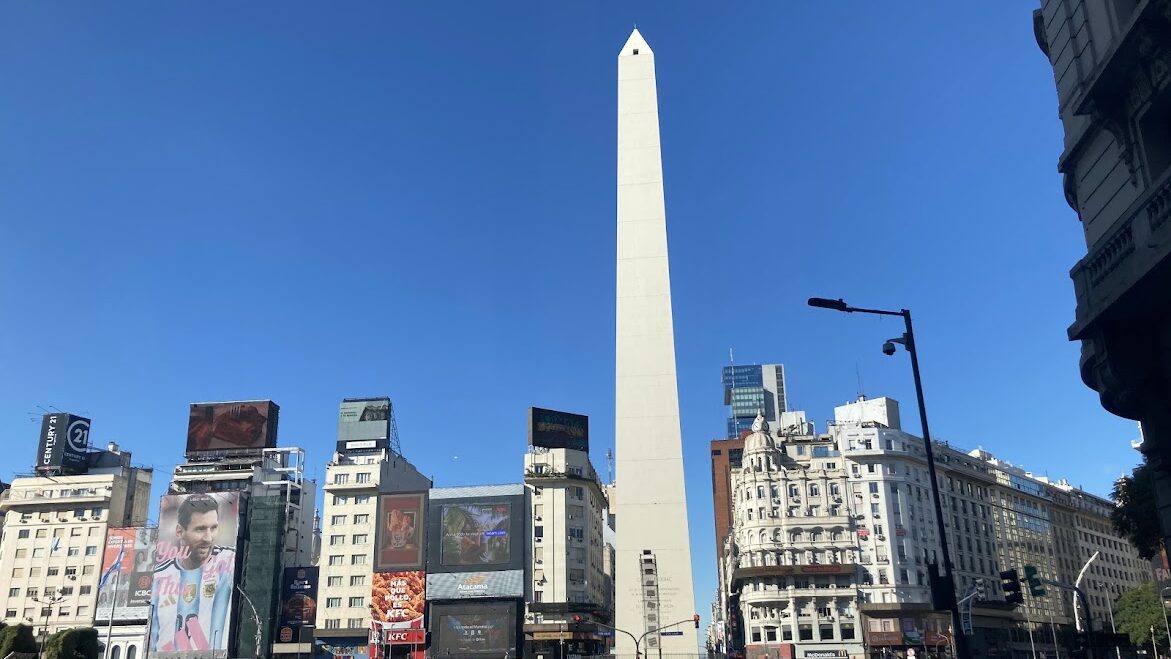
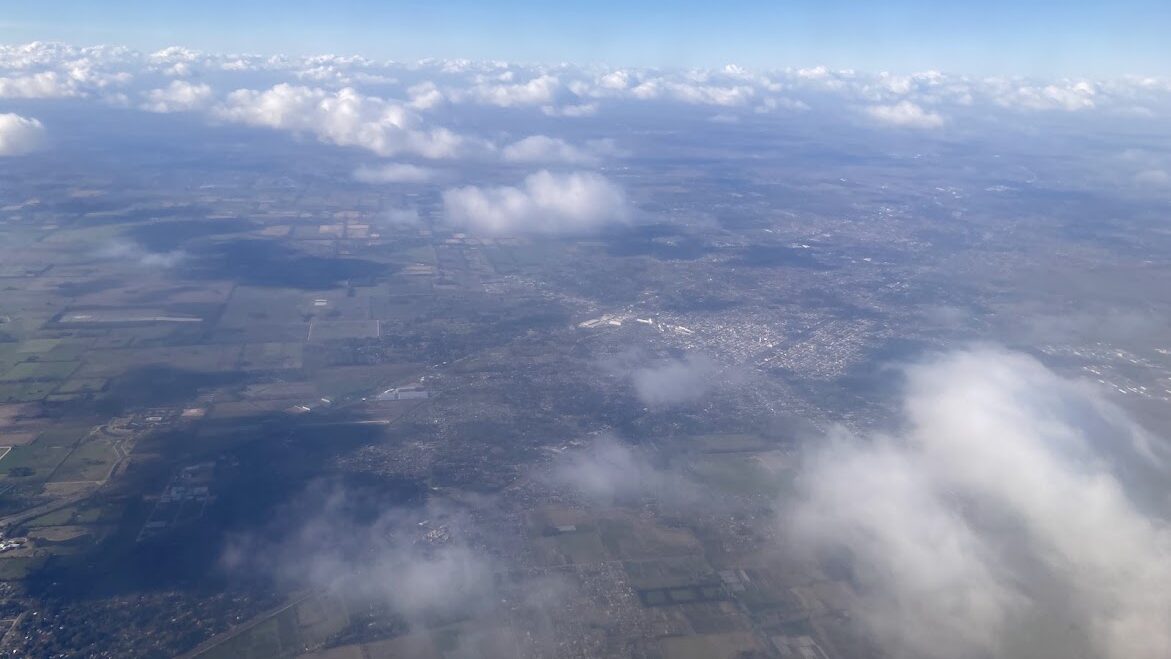
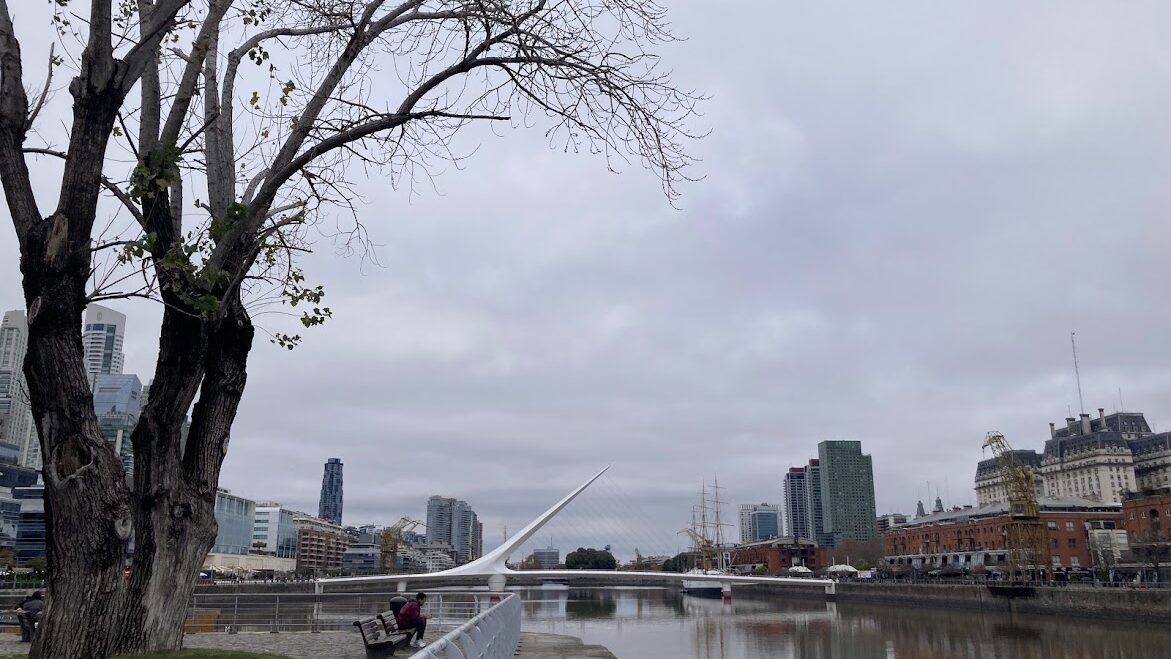
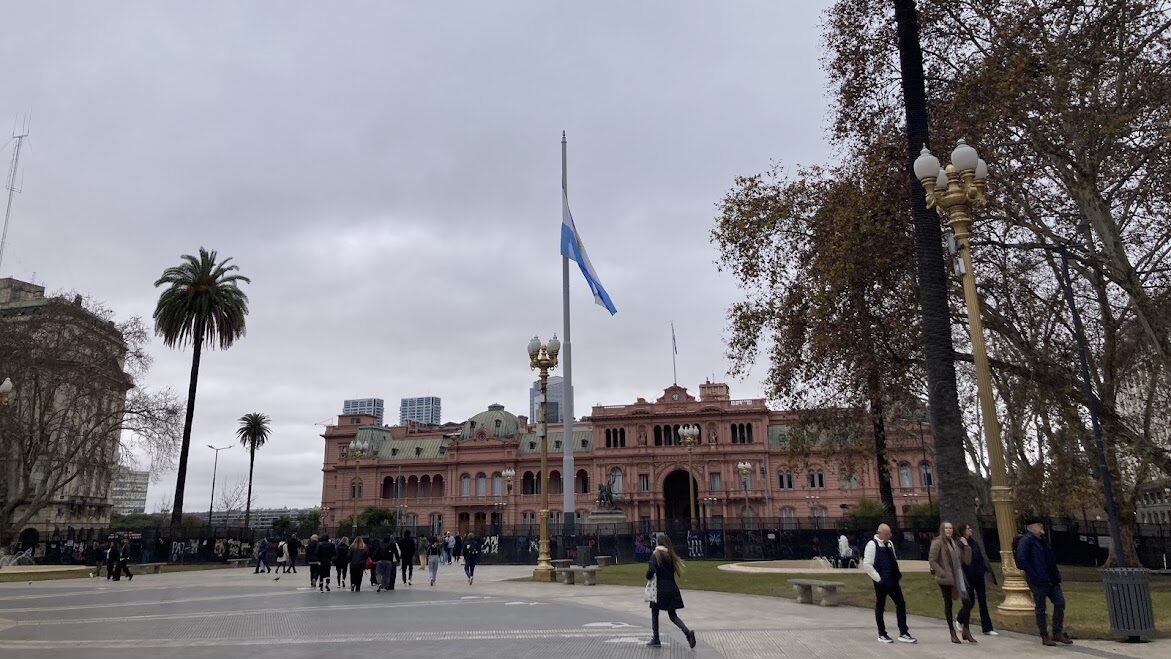
Even so, Avenida 9 de Julio—measuring 140 meters across as the widest boulevard in the world—dramatically opens up sightlines between the dense buildings. Plaza de Mayo, the historic city center where Argentina declared its independence, along with scattered downtown parks, offer welcome relief. The standout among these spaces is the Puerto Madero district, which sat abandoned until the 1990s. Today, sleek skyscrapers line a beautifully transformed waterfront that consistently captivates travelers. Looking down from an airplane approaching Jorge Newbery Airport, the staggering width of the Río de la Plata infuses the entire city with a rich blue-green horizon.
While not a complete escape from urban density, the city offers plenty of outlets for recreation. A bicycle tour slicing through the architectural grid is a prime example. Because Buenos Aires is almost entirely flat, pedaling requires minimal effort—a hidden charm that makes exploring by bike a joy.
The well-being alchemy of asado, mate tea, and Malbec wine
The city comes alive even more in the evening, offering tango lessons, traditional asado (Argentine charcoal barbecue), and late-night street food hunts through the vibrant Palermo neighborhood.
What is the secret behind Argentines maintaining a relatively low incidence of cardiovascular disease despite consuming massive quantities of beef day after day? It is no exaggeration to attribute this health paradox to their national soul foods: mate tea and Malbec wine.
Throughout the city, it is common to spot locals carrying heavy vacuum flasks and pouring hot water into distinctively shaped mate gourds. Often called a "drinkable salad," mate is packed with saponins, vitamins, and minerals that help break down fats from heavy meats while strengthening immune defenses. Complementing this, red wine produced from Malbec grapes grown in the high-altitude Andes contains exceptionally high concentrations of the antioxidants resveratrol and polyphenol, acting as a natural supplement that supports vascular health.
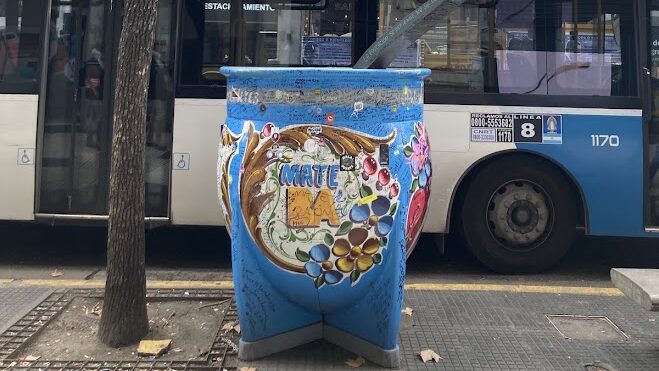
This brings back memories of my first encounter with mate in 2010. During a trip to Lake Titicaca in Peru, an Argentine girl sharing my tour boat handed me a cup. I hesitated for a brief moment as I accepted the tea from the 16-year-old student, who explained that her parents had sent her on a solo trip to Peru to celebrate reaching adulthood. I wondered whether I should wipe down the metal straw (bombilla) used by a stranger or simply drink. After a split second of hesitation, I put it to my lips and drank. Only then did her face break into a bright, warm smile.
I later learned that mate is traditionally shared by passing a single cup around a group, and accepting an offer without hesitation signifies that you are officially welcomed as a true friend. In that sense, mate is far more than a beverage—it is a form of emotional well-being that fosters human warmth and mends interpersonal connections.
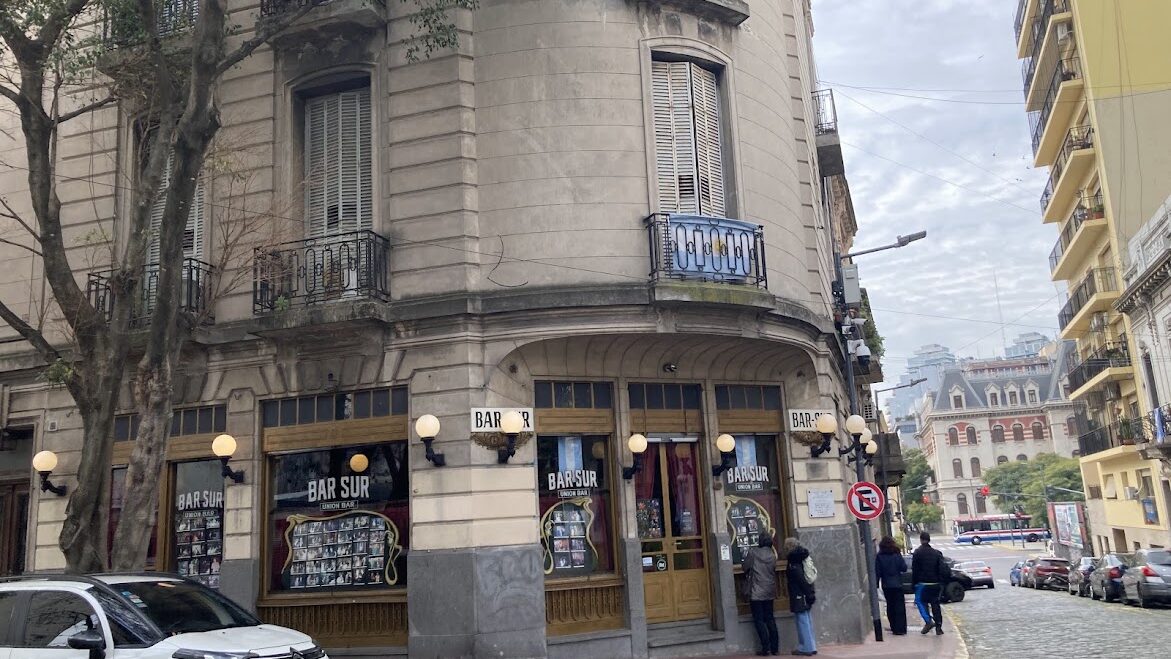
San Telmo and El Ateneo: Where history and culture nourish the soul
Bar Sur, featured prominently in director Wong Kar-wai’s masterpiece Happy Together, is located in the San Telmo neighborhood—an area historically lined with antique shops and famous for its bustling weekend flea markets. Recently, San Telmo has transformed into a dynamic hotspot, filled on holidays with residents carrying bottles of wine. It is a remarkable sight to see locals spending hours sitting or standing along the cobblestone streets, happily chatting with partners and friends for just a few pesos. In these worn alleys, traditional bodegas (wine cellars) and modern bars serve Malbec wines sourced from across Argentina, injecting modern culinary well-being into the neighborhood's faded historical romance.
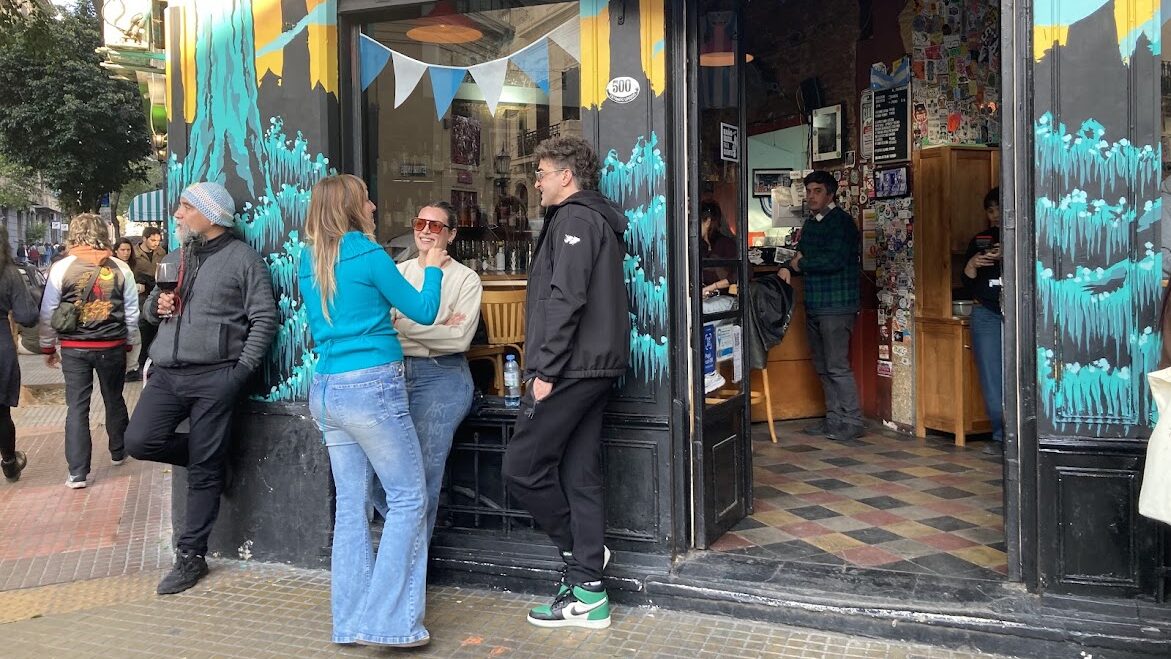
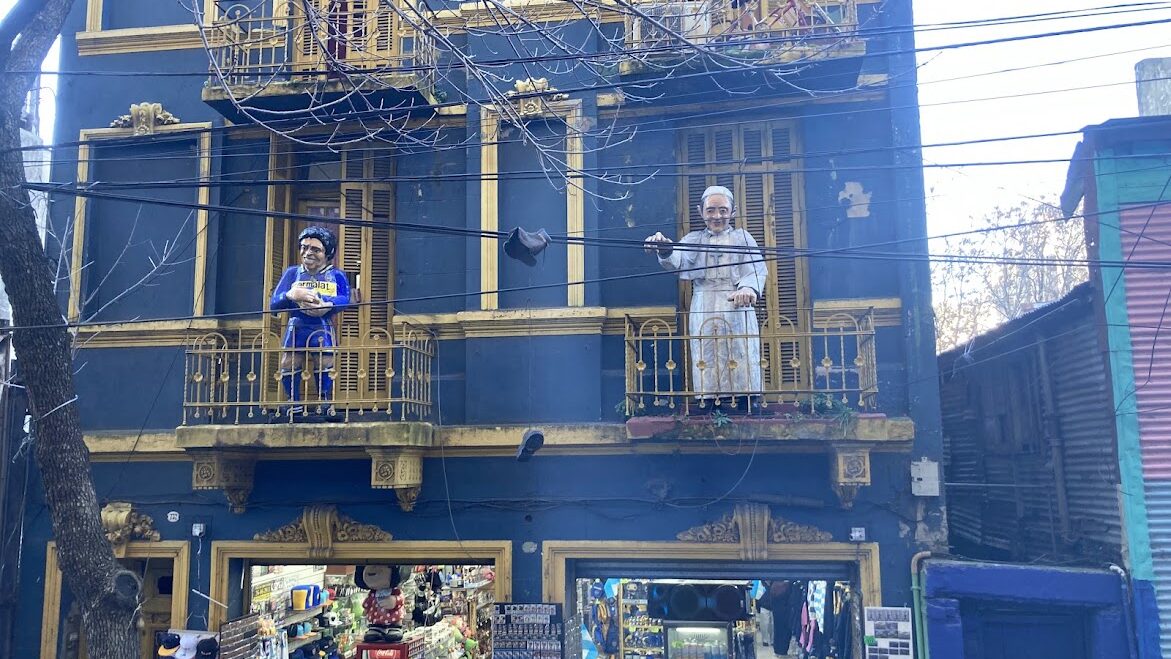
Just south of San Telmo lies La Boca, a historic port district shaped by the hardships, joys, and sorrows of 19th-century European immigrants. As the birthplace of tango and the childhood neighborhood of Maradona, La Boca's brightly painted wooden buildings reflect a challenging past: the vibrant colors originally came from leftover ship paint used by dockworkers over a century ago. Today, that history of struggle has been reimagined into a lively, festival-like street atmosphere every single day.
To the north of downtown lies Recoleta, a neighborhood known for its safety and elegant architecture. It houses the famous La Recoleta Cemetery, the final resting place of historical icons like Eva Perón (Evita). While high real estate values adjacent to a burial ground might seem puzzling to some, for Buenos Aires residents, the cemetery is a revered historical monument and a source of deep cultural pride.
A 20-minute walk south from Recoleta brings you to El Ateneo Grand Splendid, widely celebrated as one of the most beautiful bookstores in the world. Often compared to Livraria Lello in Porto, Portugal—famous for inspiring Hogwarts in the Harry Potter series—El Ateneo far surpasses it in sheer scale. Unlike Livraria Lello, which charges an entrance fee, El Ateneo allows visitors to stroll freely through the grand stage, ornate balconies, and frescoed ceilings of a lavish 1919 theater that was thoughtfully converted into a sanctuary for books.
Stepping through the doors of El Ateneo reveals the true foundation of Argentina: even within a politically and economically unstable nation, the people’s deep strength—rooted in an enduring love for art, literature, and culture—serves as an unbreakable pillar sustaining daily life.
Buenos Aires is a place where, amid life's uncertainties, people soothe their spirits with soccer, share genuine warmth through a cup of mate, and dissolve their worries over a glass of Malbec. It is a city that demonstrates, in lived reality, how culture and human connection can comfort and heal the human soul.