
As summer attire exposes more skin, many people notice dark, dusky patches on areas that are easily overlooked during cooler months, such as elbows, knees, and heels. Assuming the discoloration is simply accumulated dirt, many try scrubbing the area aggressively with exfoliators or washcloths, only to find that the darkness remains.
Grime forms when sweat, sebum, and environmental dust mix with dead skin cells on the surface. However, persistent darkening on the joints often reflects deeper structural changes in the skin itself. A thickened outer skin layer, chronic dryness, repeated mechanical irritation, or underlying dermatological and metabolic conditions can all contribute to discoloration. Rather than scrubbing indiscriminately, effective care depends on identifying the root cause.
Rough, Flaking Skin: Buildup of Dead Cells and Severe Dryness
The most common cause of dark elbows and knees is a combination of dry skin and a hyper-accumulated stratum corneum (the skin's outermost layer). Joints naturally feature thicker skin with significantly fewer oil glands, making them particularly vulnerable to dehydration. When dead skin cells fail to shed properly, they build up over time, giving the skin a dull, rough appearance.
When dead skin accumulates, the surface feels thick and calloused, often failing to wash away during routine showers and flaking white when scratched. Dryness stems from a lack of moisture within the skin barrier, causing tightness, micro-cracks, and itching. This condition often worsens in the summer due to air conditioning and frequent showering, both of which strip moisture from the skin.
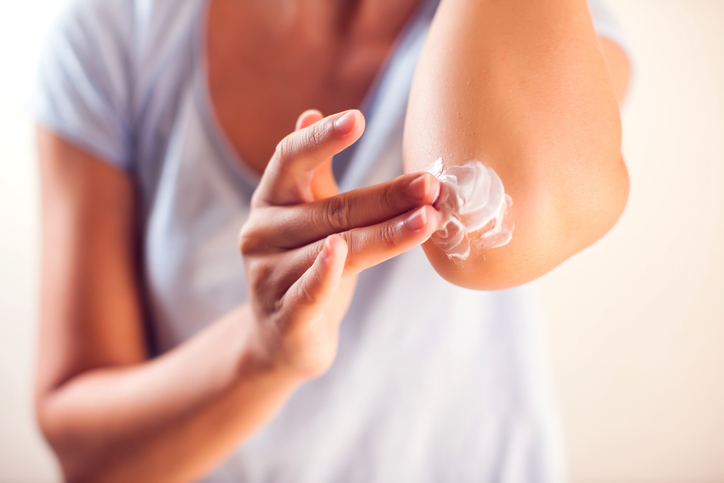
Guidelines from the Korean Dermatological Association emphasize that flaking skin requires intense hydration rather than forced peeling or scrubbing. Applying a generous amount of moisturizer immediately after showering while the skin is still damp helps seal in moisture. For thick, stubborn dead skin, urea-based creams can help soften keratin and promote gentle exfoliation. Exfoliating vigorously with rough towels or abrasive scrubs should be avoided, as strong friction damages the skin barrier, exacerbating dryness and inflammation. Prolonged exposure to hot water also strips natural lipids, so brief showers with lukewarm water are recommended.
Darkened Without Roughness: The Impact of Chronic Friction
If the discolored skin feels relatively smooth rather than rough or flaking, repeated physical friction and pressure are often the primary drivers. As major joints, elbows and knees endure continuous movement and contact. Habits like resting elbows on a desk or kneeling on hard surfaces cause the skin to thicken and produce excess melanin as a protective defense mechanism, leading to hyperpigmentation.
Addressing friction-induced discoloration requires breaking physical habits that put pressure on the joints while consistently applying barrier-repairing moisturizers. Dehydrated skin is inherently more vulnerable to external stress, making daily hydration crucial for prevention.
When to Suspect Eczema, Psoriasis, or Metabolic Conditions
Discoloration accompanied by redness, severe itching, or oozing may point to inflammatory skin conditions like eczema or contact dermatitis. If well-demarcated red patches are covered by thick, silvery-white scales, psoriasis may be the underlying cause. Psoriasis frequently manifests symmetrically on both elbows and knees. Because skin diseases will not improve through exfoliation alone, persistent symptoms warrant a professional diagnosis and targeted medical treatment from a dermatologist.
If dark, velvety, thickened patches appear not only on the elbows but also in skin folds around the neck and armpits, it may signal acanthosis nigricans. According to medical data from Asan Medical Center in Seoul, acanthosis nigricans is a cutaneous marker characterized by hyperpigmentation and skin thickening in flexural areas. It is strongly linked to insulin resistance and frequently accompanies obesity, prediabetes, or type 2 diabetes. When systemic conditions are responsible, resolving the discoloration requires addressing the underlying metabolic health rather than focusing solely on topical skin treatments.