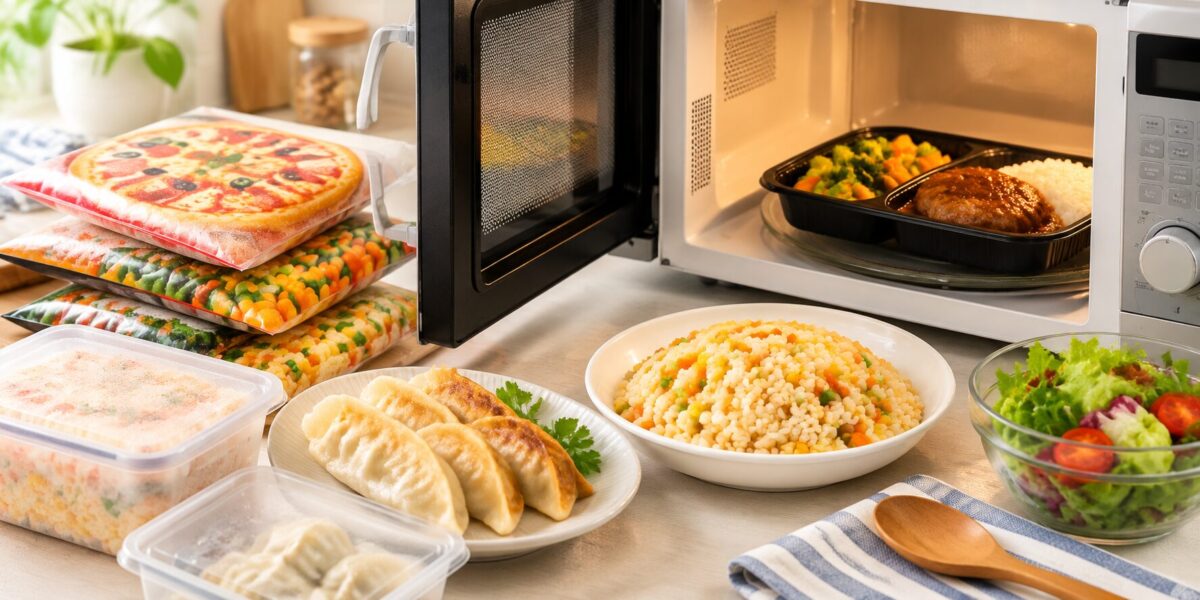
On sweltering summer days, the thought of standing over a blazing stove can feel completely unbearable. Naturally, many turn to the convenience of the freezer, opting for instant rice, dumplings, or pizza that are ready after just a few minutes in the microwave. However, using the wrong packaging or reheating food improperly can introduce unexpected health and safety risks. Here is a crucial checklist to review before you press start.
Check for a "microwave-safe" label on the packaging
It all starts with the container. While some frozen meals are engineered to be cooked exactly as they are packaged, not all plastic wraps or trays can safely withstand the heat. Always strip away any aluminum foil or containers with metallic linings, which can cause dangerous sparking and fire hazards. For plastics, verify there is an explicit "microwave-safe" label; if you cannot find one, transfer the food to a ceramic or glass container before cooking. Exercise extra caution with leftover delivery containers or single-use plastics, which can easily warp and leach chemicals.
Stir or flip food midway to avoid uneven heating
Microwaves heat food by exciting water molecules, but they are notorious for warming unevenly. Thicker items like frozen fried rice, dumplings, or chicken can easily become scalding hot on the outside while remaining dangerously cold in the center. To ensure even heat distribution, pause the microwave halfway through the cycle to stir or flip the food. For products containing meat or seafood, strictly follow the recommended cooking times to ensure the thickest sections are thoroughly heated to eliminate bacteria.
Never refreeze thawed items in the summer heat
While freezing halts microbial growth, bacteria quickly reactivate and multiply once food begins to thaw. During the summer, elevated indoor temperatures accelerate this process, significantly increasing the risk of rapid food spoilage. To stay safe, defrost and cook only the exact portion you intend to eat, and never return defrosted items to the freezer. Additionally, avoid leaving cooked leftovers sitting out at room temperature; cool them promptly and store them directly in the refrigerator.
Allow the food to rest for one to two minutes after cooking
The cooking process does not end the moment the timer beeps. Right out of the microwave, the internal heat is often concentrated in pockets, leaving distinct temperature discrepancies. This is particularly true for dense or filled foods like dumplings, hot dogs, and cheese-heavy items. Letting your meal rest for one to two minutes allows residual heat to naturally diffuse throughout the dish. If the center still feels cold after resting, microwave it for a short secondary burst until it is fully warmed through.
Balance convenience with nutrition to avoid dietary pitfalls
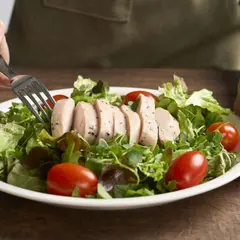
While frozen meals offer unmatched convenience, they are frequently loaded with excess sodium, saturated fats, and refined carbohydrates. Relying too heavily on frozen pizzas, fried foods, and processed meats can quickly crowd out essential vegetables and dietary fiber, disrupting your overall health. Furthermore, making a meal out of a single frozen entree often leaves you deficient in essential protein, vitamins, and minerals. To maintain a balanced diet, complement your frozen dishes with a fresh salad, vegetable sides, or clean protein sources like eggs and tofu.