How much does risk escalate during a twin pregnancy? Is cerebral palsy strictly caused by complications during labor and delivery? What precautions are necessary when planning a pregnancy after uterine surgery? And is it truly safe to take pain relievers or fever reducers while pregnant?
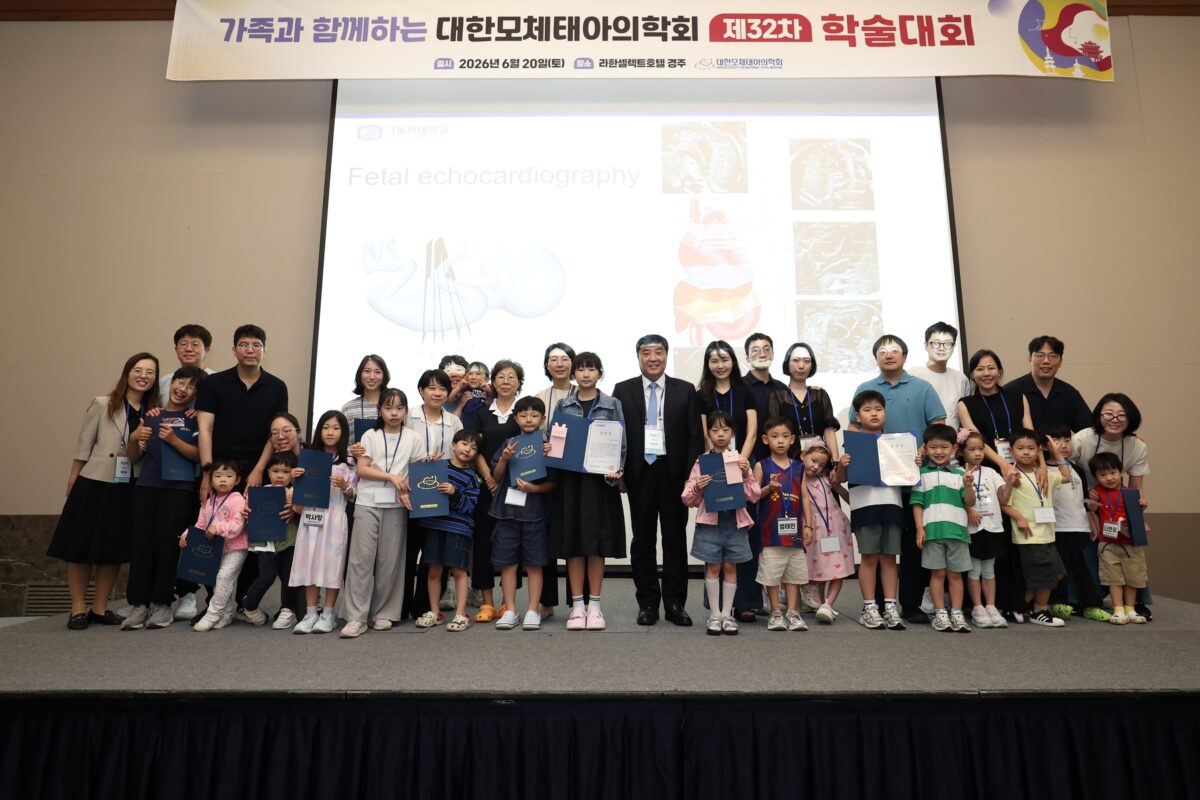
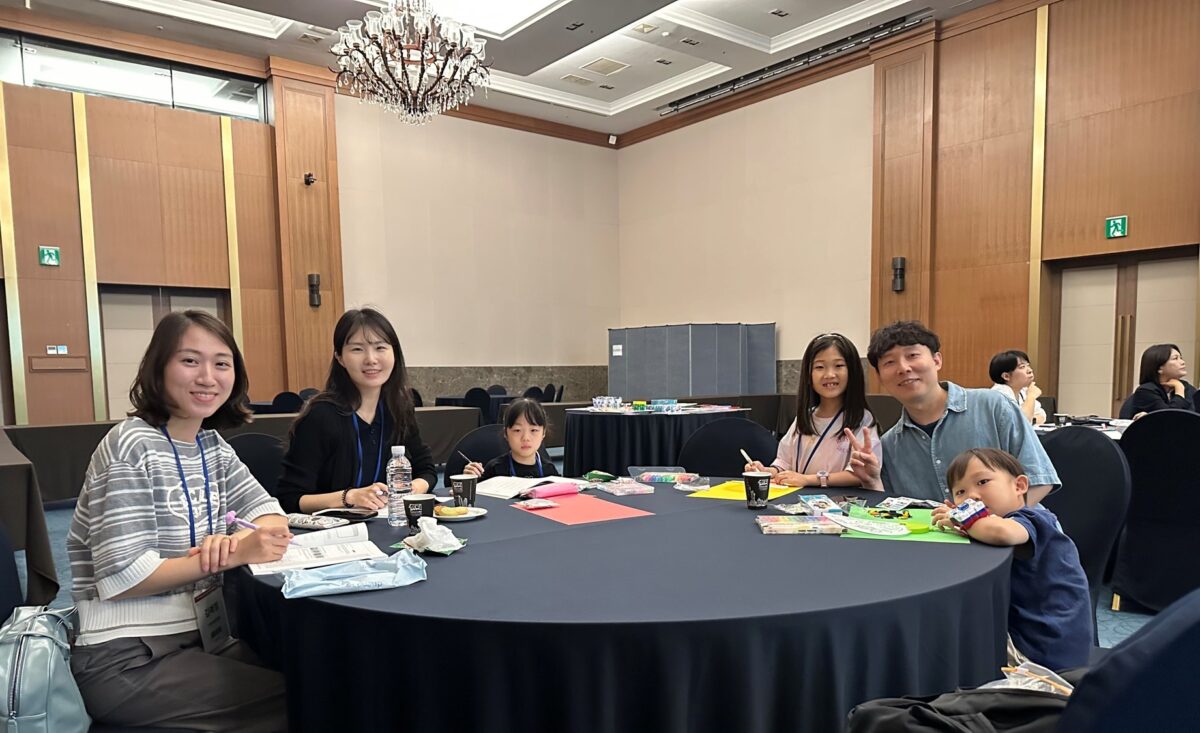
To address these frequently asked questions, the Korean Society for Maternal-Fetal Medicine released a series of official position papers and clinical fact sheets. The materials were unveiled during the society’s 32nd Academic Conference at the Lahan Select Hotel in Gyeongju. Emphasizing a "Family Friendly" theme, the conference accommodated medical professionals by providing family-friendly spaces and customized meals, allowing clinicians to attend alongside their children without disrupting essential healthcare discussions.
Promoting Singleton Births and Rethinking Cerebral Palsy
The first major topic focused on the rise of multiple gestations, a trend driven largely by advancements in infertility treatments. In South Korea, the proportion of multiple births more than doubled over a 16-year period, climbing from 2.7% in 2007 to 5.5% in 2023. Because multiple gestations carry elevated risks for both mother and fetus—including higher rates of preterm birth and neonatal intensive care admissions—the society is partnering with the Korean Society of Assisted Reproduction to prioritize healthy singleton births. The organizations are actively recommending Single Embryo Transfer (SET), an IVF strategy that implants just one embryo at a time to reduce twin-related complications while maintaining optimal pregnancy success rates.
The society also clarified long-standing misconceptions regarding the origins of cerebral palsy. Ko Hyun-sun, a professor at the Catholic University College of Medicine, emphasized that cerebral palsy cannot be attributed solely to transient hypoxia (temporary oxygen deprivation) during labor. While delivery complications were historically viewed as the primary trigger, recent genetic and epidemiological research reveals that pre-existing prenatal infections, placental dysfunction, and genetic predispositions frequently play a definitive role before labor even begins. The society urged clinicians to evaluate the entire clinical picture—including prenatal history, delivery circumstances, and postnatal neonatal health—rather than relying strictly on single metrics like umbilical cord blood pH, thereby minimizing unnecessary guilt and anxiety for mothers.
Managing Post-Surgery Pregnancies and Medication Safety
As maternal ages rise, managing pregnancies after major uterine procedures has become a critical area of focus. Seol Hyun-ju, a professor at the Korea University College of Medicine, noted that detailed counseling is now vital for patients who have undergone a myomectomy (fibroid removal) or adenomyosis reduction surgery. These patients face a heightened risk of serious complications, such as uterine rupture or placenta accreta spectrum, a condition where the placenta grows too deeply into the uterine wall. The society stresses that systematic prenatal care and close consultation with a maternal-fetal specialist should begin as early as the pregnancy-planning stage. For patients utilizing reproductive technology, integrating single-embryo transfer into their care plan can further mitigate delivery risks.
Finally, the society addressed persistent anxieties regarding over-the-counter medications, specifically acetaminophen, the active ingredient in Tylenol. Despite widespread, vague public concerns linking prenatal acetaminophen use to autism, the society cited large-scale epidemiological data confirming that no meaningful causal relationship exists. However, experts cautioned against prolonged, unmonitored self-medication. Unconditionally enduring severe fever or pain out of fear can place a dangerous metabolic burden on both the mother and the developing fetus. Instead, patients are advised to use the medication safely within recommended dosages under the guidance of a healthcare professional.
Park Jung-shin, president of the Korean Society for Maternal-Fetal Medicine and an obstetrics and gynecology professor at Seoul National University Hospital, underscored the organization's ongoing mission: "This conference was organized to directly address the real-world concerns that mothers and medical staff face daily, identifying the safest, most scientifically grounded paths forward. Moving forward, our society will continue to serve as a reliable partner in supporting healthy pregnancies and safe childbirths, combining a compassionate perspective with rigorous medical expertise."