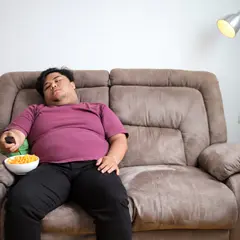
Your body feels entirely drained and your eyelids are heavy, but the moment your head hits the pillow, your mind snaps wide awake. You have spent all day battling exhaustion and expecting to fall asleep instantly, yet you find yourself tossing and turning as your thoughts start racing. Minutes drag on, and many nights end with the familiar, frustrating habit of reaching for your smartphone and scrolling until dawn.
When facing persistent insomnia, it is crucial to evaluate not just your overall daytime routine, but specifically your habits during the three hours leading up to bedtime. This critical window dictates how effectively your body transitions into rest. Familiar, everyday habits—including long naps, afternoon caffeine, late workouts, smartphone screen use, and late-night snacking—are often the unexpected culprits keeping you awake.
The Hidden Cost of Extended Daytime Naps
While short naps are highly effective for offsetting sleep deprivation and mitigating daytime fatigue, overindulging can severely disrupt your nocturnal sleep cycle. The mechanics of sleep rely heavily on "sleep pressure"—the biological accumulation of drowsiness that builds up the longer an individual remains awake. A lengthy daytime nap essentially vents this pressure, leaving you awake when it is time to turn in for the night.
If you experience profound drowsiness during the day, experts recommend limiting your rest to a brief 20-to-30-minute power nap. Entering deep sleep for over an hour frequently results in sleep inertia, leaving you feeling groggy and sluggish upon waking. Timing is equally critical; taking a nap late in the afternoon encroaches on your natural nighttime sleep window, pushing your bedtime back. If you fall into this repetitive pattern, fatigue can pile up as your overall sleep rhythm becomes increasingly irregular.
The Lingering Impact of Afternoon Caffeine
Caffeine works by blocking adenosine receptors, the chemical signals that inform the brain it is time to sleep. While this makes coffee an excellent tool for morning alertness, its metabolic lifespan inside the body lasts far longer than most consumers realize.
In healthy adults, caffeine has an average half-life of four to five hours, meaning it takes that long for the concentration of the stimulant in your bloodstream to drop by half. If you drink a cup of coffee at 4 p.m., approximately half of that caffeine is still actively circulating in your system at 9 p.m. Because individual metabolic rates vary significantly, it can take up to eight hours for the stimulant to clear completely.
The total dosage matters just as much as timing. A study published in the international journal SLEEP demonstrated that a high dose of 400 mg of caffeine—roughly equivalent to two or three 12-ounce cups of brewed coffee—can negatively impact sleep quality even when consumed 12 hours before bedtime. This means an afternoon coffee run can easily compromise your ability to rest at midnight. Furthermore, caffeine remains hidden in many everyday staples, including green tea, black tea, energy drinks, sodas, and chocolate.
For those highly sensitive to stimulants, it is best to halt caffeine consumption after lunch, swapping coffee for water, barley tea, or naturally caffeine-free herbal blends. It is also worth noting that decaffeinated coffee still contains trace amounts of caffeine, making it a poor choice for a late-night beverage habit.
How Late-Night Workouts Keep the Body in Active Mode
Regular exercise is universally recognized as a foundational pillar of sound sleep, helping the body exert energy during the day so it can rest more easily at night. However, working out too late or at an excessively high intensity can have the opposite effect, actively delaying sleep onset.
Immediate physical exertion triggers a sharp spike in heart rate and elevates core body temperature, throwing the sympathetic nervous system into an active, high-alert state. Even if you feel physically exhausted afterward, your brain and central nervous system remain highly stimulated because your body has not fully wound down from the workout.
To prevent this metabolic overstimulation, avoid intense regimens like high-intensity interval training (HIIT), fast running, or heavy weightlifting right before bed. Evening physical activities should be wrapped up at least two to three hours before you plan to sleep. For late-night routines, substitute strenuous workouts with light stretching, gentle walking, or mindful breathing exercises that lower your heart rate. Additionally, taking a long, hot shower immediately after a late workout can trap heat and prevent your core body temperature from dropping quickly. Instead, opt for a brief rinse with lukewarm water, giving your body temperature and heart rate an opportunity to settle completely before climbing into bed.

The Algorithm Trap: How In-Bed Screen Time Stimulates the Brain
Using a smartphone in bed is one of the most widespread disruptors of modern sleep. The bright light emitted from screens suppresses melatonin and keeps the brain awake, while the psychological stimulation from social media or algorithmic video platforms can be intensely engaging. Even if you promise yourself to watch just one short clip, short-form video algorithms are designed to pull you in, causing 30 minutes or an hour to vanish instantly. Your body may be exhausted, but your brain remains hyper-alert as it continuously processes new information.
The deeper issue lies in behavioral conditioning. Over time, repeating this habit trains your brain to view the bed not as a sanctuary for rest, but as an entertainment hub for watching videos and checking messages. When this association takes root, the body’s natural sequence of lying down, relaxing, and drifting off breaks down entirely. Reaching for your phone every time you experience restlessness reinforces a vicious cycle where screen time becomes the default response to sleeplessness, making chronic insomnia far more likely to persist.
To safeguard your sleep, begin dimming your household lights an hour before bedtime, and lower your smartphone's screen brightness if you absolutely must use it. Ideally, charge your phone across the room or outside the bedroom entirely; if you rely on it as an alarm, placing it out of arm's reach prevents late-night scrolling. Instead of consuming hyper-stimulating short-form content before sleep, adopt a low-stimulation wind-down routine, such as reading a physical book, listening to quiet music, or performing light stretches.
Digestion Overtime: The Hidden Toll of Late-Night Snacking
Consuming food late at night forces your digestive system to work overtime when it should be resting, actively keeping sleep at bay. Heavy, greasy, spicy, or overly salty foods—such as ramen, fried chicken, and tteokbokki—require a long time to digest and place a heavy metabolic burden on the stomach. Lying down shortly after eating can trigger indigestion or acid reflux, both of which severely fracture sleep quality.
Spicy dishes can raise core body temperature and cause nighttime overheating, while high-sodium items induce thirst, forcing you to wake up to drink water. Sweeter foods introduce a different kind of disruption: eating cake, cookies, or drinking sugary beverages late at night triggers rapid fluctuations in blood glucose. When your blood sugar crashes hours later, it can startle your body awake in the early morning.
As a general rule, try to establish a fasting window of two to three hours before going to sleep. If you are experiencing intense hunger that actively prevents you from sleeping, exercise restraint by choosing a small, easily digestible option that soothes the stomach without filling you up, such as plain yogurt, warm milk, or a banana.