When discussing youthful skin, collagen is almost always part of the conversation. Acting as the body’s internal scaffolding, this protein keeps the dermal layer dense, the skin firm, and wrinkles less visible.
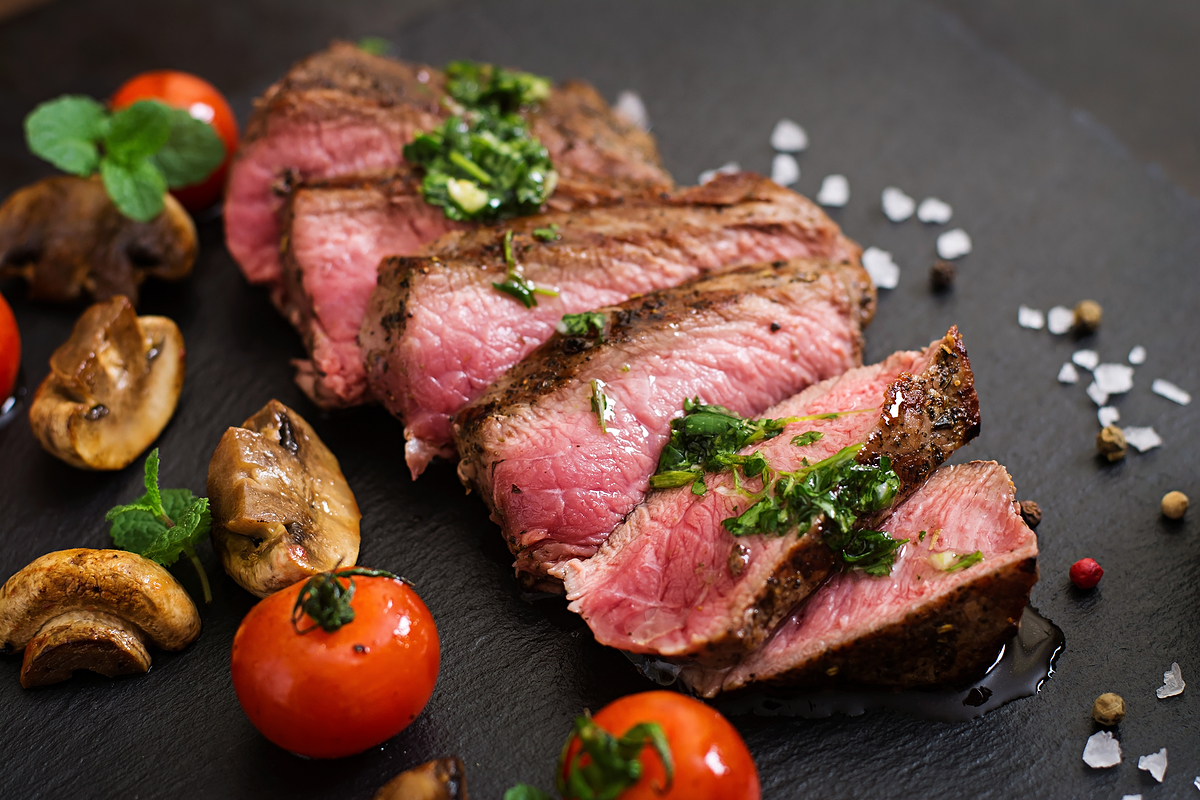
While some people look to traditional dishes like jokbal (braised pig’s trotters) for a collagen boost, dietary collagen cannot be directly deposited into the skin. This limitation has driven many to supplements, though some consumers remain deterred by the characteristic fishy aftertaste of marine collagen or express ethical preferences against animal-derived ingredients. Enter plant-based peptides—a rapidly growing segment in the inner beauty market. But do these botanical alternatives actually work?
Cellular Signaling vs. Direct Absorption
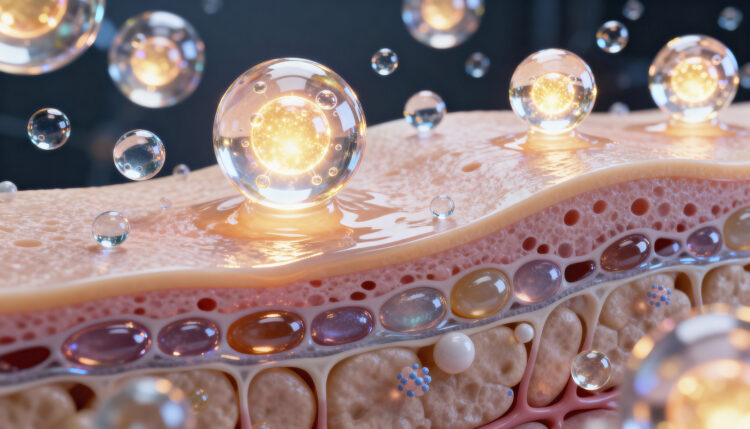
The mechanism behind collagen supplements differs significantly from popular belief. Consuming collagen-rich foods or supplements does not mean the protein travels directly to the skin. Instead, during digestion, collagen is broken down into tiny fragments known as dipeptides and tripeptides.
Once absorbed into the bloodstream, these fragments act as cellular messengers, signaling fibroblasts in the skin to trigger new collagen synthesis. In short, it is the digestive byproduct signaling the body to produce its own collagen, rather than the ingested collagen accumulating directly. While dishes like jokbal provide essential amino acids—such as glycine, proline, and hydroxyproline—that serve as basic building blocks, simply consuming them does not guarantee efficient skin rejuvenation.
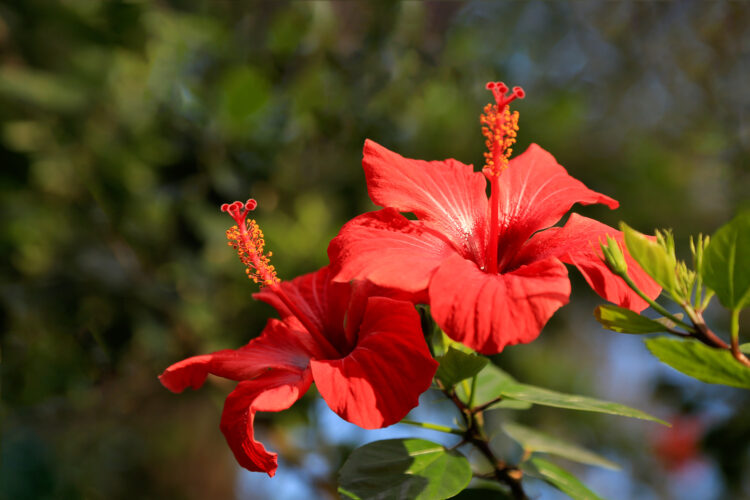
A Botanical Alternative: The Power of Hibiscus Peptides
For those seeking alternatives to conventional marine or bovine sources, animal collagen is no longer the only pathway. Innovation has turned toward "VC-H1," a plant-based peptide ingredient derived from hibiscus. Extracted through the enzymatic hydrolysis of the Hibiscus sabdariffa calyx, VC-H1 features an ultra-low molecular weight averaging just 316 Da (Daltons).
This novel ingredient offers a distinct dual-action benefit. First, it is exceptionally dense in bioactive messengers, consisting of 85% to 90% dipeptides and tripeptides that actively stimulate fibroblasts. Second, it retains natural plant-derived compounds like anthocyanins, polyphenols, and organic acids from the hibiscus flower. These components function as powerful antioxidants, neutralizing reactive oxygen species and suppressing inflammatory responses that typically degrade existing skin collagen. By simultaneously prompting production and shielding existing structures, VC-H1 marks a significant departure from standard animal-derived options.
Clinical evidence supports these mechanisms. In a human clinical trial published in the International Journal of Molecular Sciences (IJMS), a research team at the Yonsei University College of Medicine evaluated 98 adults aged 35 to 60 who consumed 1.5 grams of VC-H1 daily for 12 weeks. By week 6, the participants demonstrated a significant increase in skin moisture and a marked reduction in tremain-dermal water loss (TEWL), confirming enhanced skin barrier function. By week 12, skin elasticity had visibly improved, and the depth of crow’s-feet wrinkles was significantly reduced. Crucially, the study reported no adverse side effects, with blood chemistry, hematology, and urinalysis screenings revealing entirely normal parameters.
Smart Choices in the Expanding Inner Beauty Market
Consumers who find high-dose animal collagen difficult to stomach or unsuited to their dietary preferences do not need to force themselves to take it. The fundamental criteria for an effective supplement is not whether it originates from an animal or a plant, but whether it contains the precise bioactive peptide sequences required to stimulate fibroblasts.
Plant-based peptide formulations, particularly those derived from advanced botanical processing like hibiscus, represent fully viable alternatives. Many are now available in palatable forms, such as jellies or drinks, that completely bypass the unappealing odor of traditional supplements.
When navigating the expanding inner beauty market, consumers should carefully evaluate ingredient labels. Rather than selecting a simple blend of raw amino acids, look for verified low-molecular-weight ingredients with a high concentration of dipeptides and tripeptides, backed by human clinical trials and reputable vegan or organic certifications.