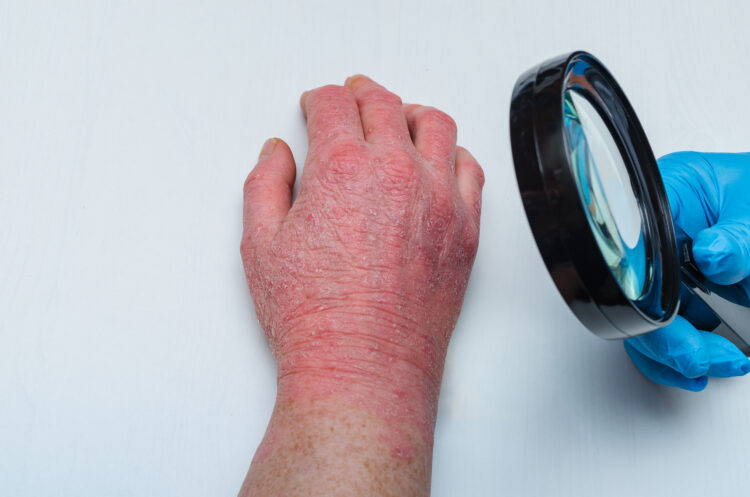
The stinging summer sun has returned. While clear skies and bright days can elevate your mood, longer daylight hours bring a renewed concern regarding ultraviolet (UV) damage. Although sunlight is essential for helping the body synthesize vital vitamin D, overexposure can trigger a wide array of serious dermatological conditions.
This year, meteorologists are sounding the alarm over a potential "Super El Niño"—potentially the most powerful equatorial warming event in 76 years. Citing data from the U.S. National Oceanic and Atmospheric Administration (NOAA) Climate Prediction Center, media outlets like CNN recently reported a 63% chance that the El Niño condition that emerged in the tropical Pacific in early June will intensify into a Super El Niño. This phenomenon occurs when sea-surface temperatures in the eastern equatorial Pacific remain at least 2°C above normal for three or more consecutive months. The center has projected a 100% probability that this El Niño will persist into autumn, with a high likelihood of extending through the winter months.
As El Niño strengthens and persists, its environmental ripples will be felt globally, increasing the risk of flooding in the United States and China, while driving severe droughts across Southeast Asia, Australia, and Africa. On a personal health level, global temperatures are expected to climb—intensifying and prolonging summer heatwaves—while dramatic shifts in atmospheric circulation threaten to trigger a spike in UV-related skin diseases.
Droughts and sustained high-temperature conditions reduce the cloud cover that normally reflects or absorbs incoming solar radiation, allowing more UV rays to reach the ground. Furthermore, when atmospheric flow is disrupted by El Niño, the stratospheric ozone layer—the planet's primary shield against solar radiation—can temporarily thin or degrade, substantially increasing the volume of harmful UV radiation penetrating the Earth’s surface.
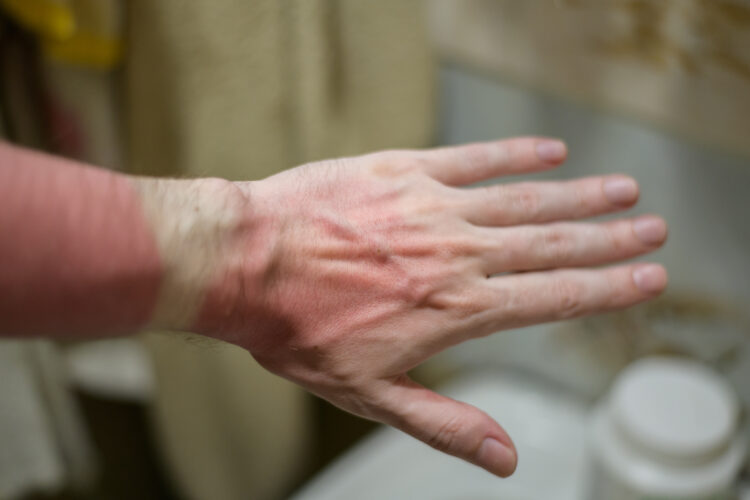
Decoding the Threat: UVA vs. UVB
Importantly, overcast weather, indoor spaces, and vehicle interiors do not offer total protection from solar radiation. UV radiation is divided by its optical characteristics into Ultraviolet A (UVA) and Ultraviolet B (UVB), each affecting human tissue differently and requiring distinct defensive measures.
UVA is the most pervasive form of solar radiation encountered in daily life. Because it features a relatively long wavelength of 320–400 nm, it easily penetrates deep into the dermis—the skin's thickest structural layer. UVA passes effortlessly through clouds and window glass, meaning individuals remain at risk even while sitting indoors near windows or driving a car. This wavelength is primarily responsible for accelerated skin aging, loss of elasticity, wrinkles, melasma, and hyperpigmentation.
Conversely, UVB features a shorter wavelength of 280–320 nm and primarily impacts the epidermis, or outer layer of the skin. It is the direct culprit behind standard sunburns, redness, localized burning, and painful blistering. Crucially, chronic UVB exposure is a leading contributor to skin cancer. When the ozone layer thins due to global atmospheric anomalies, the volume of UVB reaching the ground surges significantly.
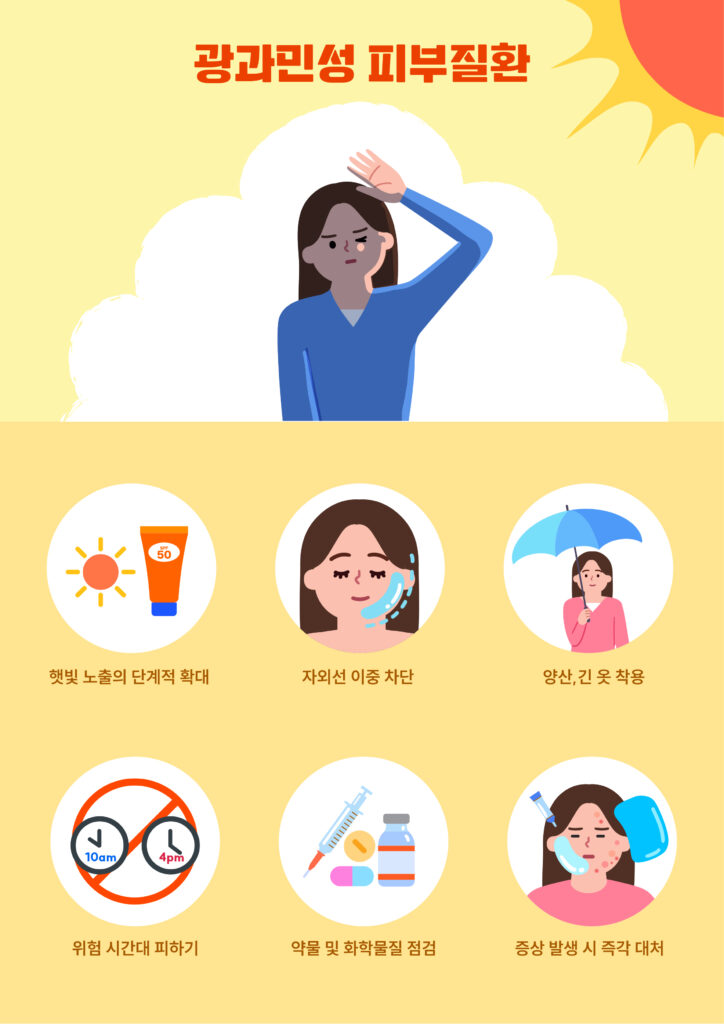
While UV intensity fluctuates throughout the year, the summer months demand the highest vigilance. The Mayo Clinic advises that the most effective way to mitigate UV damage is to completely avoid direct sunlight between 10 a.m. and 4 p.m., when the sun's rays are at their most intense.
Advanced Shields: Clothing, Sunscreen, and Clinical Care
When outdoor activity is unavoidable, physical barriers are the first line of defense. Wearing wide-brimmed hats, long-sleeved clothing, and utilizing UV-blocking parasols can drastically minimize exposure. When selecting garments, consumers should check the Ultraviolet Protection Factor (UPF) rating, which measures a fabric's effectiveness at filtering UV light. A garment rated UPF 50+ protects the skin by blocking more than 98% of UV rays. The Cleveland Clinic notes that incorporating UPF 50+ clothing into a daily routine is one of the simplest and most effective strategies to prevent long-term UV-related skin problems.
For exposed skin, applying a high-quality sunscreen thoroughly is a foundational requirement. Commercial sunscreens typically display two critical protective indices: SPF and PA. The PA rating indicates protection against UVA, with more plus signs (e.g., PA++) denoting a stronger defense. The SPF number indicates the level of protection against UVB rays. Experts recommend choosing a broad-spectrum formula rated SPF 30 or higher and PA++ or higher, applied thoroughly 20 to 30 minutes before stepping outdoors. For individuals with sensitive skin, mineral sunscreens formulated with zinc oxide or titanium dioxide are highly recommended, as they physically deflect light and cause minimal dermal irritation.
If a severe skin rash develops and persists for several days, or if the skin begins weeping or blistering, patients should promptly visit a dermatologist or a family medicine clinic for an accurate clinical diagnosis. If prescribed systemic antihistamines or topical steroid ointments, patients must follow their physician's precise instructions to safely alleviate symptoms and protect long-term skin health.