Stepping into a wine bar or upscale restaurant can occasionally trigger a quiet wave of anxiety. Which vintage should you select? Where exactly are you supposed to hold the glass? And what, precisely, are you expected to do when the server pours that initial, solitary splash into your glass? Many diners overthink these moments, straining to look sophisticated. However, mastering a few baseline principles of wine etiquette can help you navigate any wine list with ease and enjoy your glass with natural confidence.
1. Misunderstanding the Purpose of the First Taste
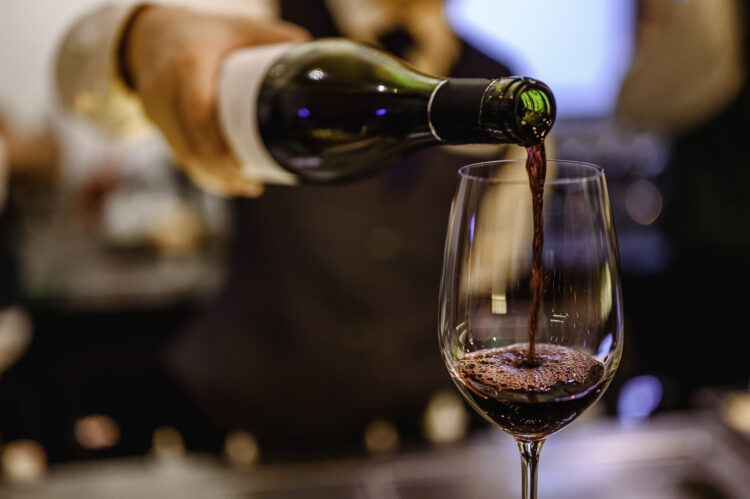
When a server pours a small, introductory taste, it is a common misconception that this is an invitation to evaluate whether you personally approve of the flavor profile. In reality, this ritual is strictly designed to check the wine's condition for structural or storage faults. You are checking for "cork taint"—a musty, wet-cardboard odor caused by a flawed cork—or a harsh, vinegar-like aroma indicating oxidation. If the wine smells clean, a simple nod or a brief word of confirmation to the server is all that is required. This step is not an opportunity to exchange the bottle for a different variety simply because it doesn't suit your personal palate.
2. Holding the Bowl and Overzealous Clinking
The fundamental design of stemware dictates that a wineglass should always be held by its stem—the narrow pillar below—rather than its rounded bowl. Cradling the bowl transfers body heat from your hand directly to the wine, rapidly altering its optimal serving temperature, while also leaving unsightly fingerprints on the crystal. Furthermore, because quality wineglasses are far more delicate than standard beer mugs, diners should avoid forceful clinking during a toast. Instead, gently raising the glass to eye level while maintaining direct eye contact with your dining companions is the elegant standard. In formal settings or when dining with elders, it is also courteous etiquette to observe and comfortably mirror the drinking pace of your company.
3. Neglecting the Role of Aroma in Tasting
Tasting always begins with the sense of smell, a step many casual drinkers skip entirely. Gently rotating the glass on the table—a technique known as swirling—aerates the liquid, volatilizing the aromatic compounds and releasing the wine’s full bouquet. Bringing the glass close to your nose to appreciate the aroma before taking a measured sip allows the flavor profile to unfold completely. There is no need for complex, hyper-technical descriptions; simple, authentic impressions like "crisp," "full-bodied," or "smooth" are perfectly sufficient to communicate your enjoyment.
4. Overcomplicating the Principles of Food Pairing
Pairing wine with cuisine is far less intimidating than aficionados suggest, and avoiding basic mismatches can drastically enhance your meal. As a foundational rule, lighter culinary options like fresh seafood or crisp salads pair seamlessly with white wines or effervescent sparkling varieties. Conversely, richer, fat-dense dishes such as ribeye steak or roasted lamb find their ideal match in structured red wines. Cheese remains another iconic partner, though minor nuances apply: creamy cheeses balance beautifully with the acidity of white wines, whereas robust, aged cheeses hold up best against the bold tannins of red wine.
5. Drinking Wine on an Empty Stomach
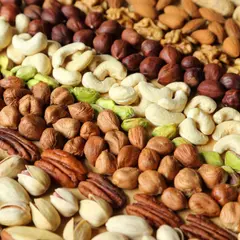
While wine is a staple of celebratory social gatherings, it remains a potent alcoholic beverage. Consuming it on an empty stomach accelerates alcohol absorption, which can cause the effects to hit you too quickly and cut an evening short. Pairing your wine with simple, high-protein or fat-rich small plates—such as almonds, olives, cheese, or charcuterie—helps slow metabolism and moderates the systemic effects of the alcohol. Conversely, overly salted or intensely spiced appetizers should be avoided, as they can overwhelm the wine's natural flavor profile. Ultimately, the finest etiquette is simply to relax, appreciate the craftsmanship in your glass, and enjoy the surrounding company.