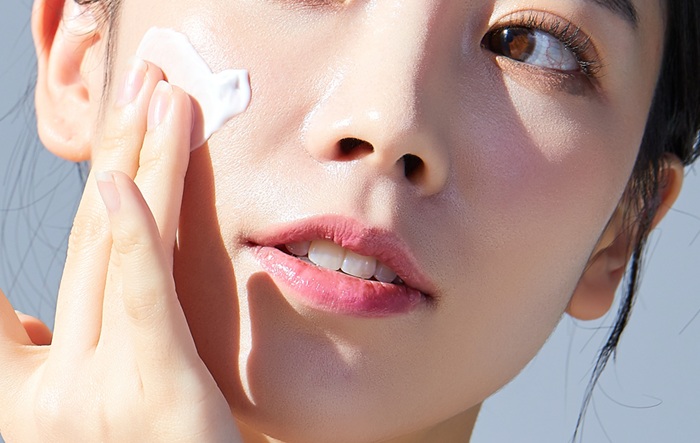
Dermatologist Kim Yeon-jin, director of a dermatology clinic, recently shared an accessible, zero-cost skincare method that individuals can easily try at home. Appearing on the YouTube channel Lee Seong-mi's I Am a Boomer, Kim Yeon-jin discussed practical ways to improve skin health without breaking the bank.
During the episode, host Lee Seong-mi noted that many people resort to traditional folk remedies, such as washing their faces with vinegar, applying salt packs, or rubbing their skin with raw lemon, and asked if patients frequently suffer complications from these routines.
Kim Yeon-jin strongly advised against these practices. "I am always surprised to see that this still happens," Kim Yeon-jin stressed. "Patients regularly come to my clinic with severe burns caused by vinegar and lemon water. Please, do not do that." Instead, Kim Yeon-jin offered a completely free, safe alternative: "Apply a generous amount of moisturizer and cover it with plastic wrap. It functions as an incredibly effective mask and is excellent for deep hydration."
She also noted that washing the face with brewed green tea or rice-rinse water can provide beneficial effects, explaining that leftover green tea bags can be squeezed and used as a gentle wash before a light rinse, while rice-rinse water gently exfoliates and smooths out dead skin cells.

The Hidden Dangers of 'Natural' Remedies: Why Vinegar and Lemon Cause Chemical Burns
While vinegar and lemon water are frequently touted online as natural secrets for a brighter complexion, applying these highly acidic liquids directly to the face can trigger irritant contact dermatitis or serious chemical burns. The primary component of vinegar is acetic acid, while lemons are heavily concentrated with citric acid. When these harsh acids disrupt the stratum corneum and compromise the protective skin barrier, they cause immediate stinging, redness, burning, blistering, and peeling.
Lemon juice poses an additional hazard due to its potential to trigger a severe phototoxic reaction known as phytophotodermatitis. Citrus fruits contain natural compounds called furocoumarins, which react aggressively when exposed to ultraviolet (UV) light, leaving behind burn-like red inflammation and long-lasting hyperpigmentation. Unlike controlled acid-based peels performed in a clinical dermatological setting—where concentration, pH levels, and application times are precisely managed—DIY home remedies carry unpredictable risks depending on an individual's skin condition. If stinging or burning occurs, individuals should immediately rinse the area thoroughly with water, apply moisturizer, and seek professional medical care if symptoms persist.
The Plastic Wrap Technique: Utilizing Occlusive Therapy to Lock In Hydration
Kim Yeon-jin's recommendation of layering plastic wrap over a generous coat of moisturizer relies on the exact same scientific principle as occlusive therapy, a method frequently used in professional dermatology. Under normal conditions, moisturizers reduce transepidermal water loss and reinforce the skin barrier. Sealing the product with plastic wrap blocks evaporation completely, allowing the moisturizing ingredients to penetrate deeper and remain in the skin much longer.
However, proper execution is essential to avoid adverse effects. Individuals must leave adequate openings around the eyes, nose, and mouth to breathe safely. For standard home care, the wrap should only be left on the skin for 10 to 20 minutes; falling asleep with the plastic wrap on must be strictly avoided. Furthermore, this occlusive method is not suitable for everyone. For individuals with acne-prone skin, open wounds, active inflammation, or sensitive conditions like rosacea, atopic dermatitis, and contact dermatitis, the wrap can trap heat and sweat, significantly worsening irritation and triggering folliculitis or severe breakouts. Caution is also required when using this technique alongside potent active ingredients like retinol, alpha hydroxy acids (AHAs), beta hydroxy acids (BHAs), or targeted brightening agents, as excessive, accelerated absorption can trigger severe skin irritation.
Maximizing the Soothing Benefits of Green Tea and Rice-Rinse Water Safely
For those looking for auxiliary soothing treatments, home alternatives like green tea and rice-rinse water can offer mild benefits when handled correctly. Green tea is rich in catechins, which include powerful polyphenols such as epigallocatechin gallate (EGCG). Extensive clinical research has confirmed that green tea polyphenols deliver potent antioxidant and anti-inflammatory properties, which is why the extract is a staple ingredient in commercial skincare. Similarly, studies suggest that the natural starches found in rice-rinse water can assist with barrier repair and reduce moisture loss in damaged skin.
However, because homemade batches lack the strict concentration, pH, and preservative controls of manufactured cosmetics, users should manage their expectations and follow strict hygiene protocols. To prevent dangerous bacterial growth, only use water prepared fresh on the same day, ensure it has cooled to a comfortable room temperature, and rinse the face briefly. If any stinging or redness occurs during the process, discontinue use immediately.