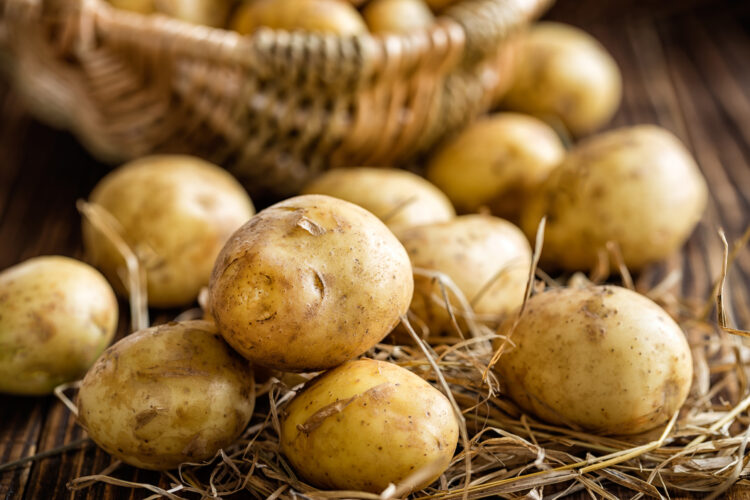
It is a common source of frustration: pulling fresh potatoes out of the pantry just a few days after purchasing them, only to find they have already begun sprouting or turning green. Early summer harvests, particularly those arriving in June, are celebrated for their high moisture content and tender texture, but they carry a significantly shorter shelf life than standard storage potatoes. While many consumers assume tossing them into the refrigerator is a foolproof way to extend their longevity, the rates of sprouting and discoloration actually depend heavily on specific storage environments. Understanding the biological mechanisms of in-season potatoes—and avoiding a few easy-to-overlook pantry mistakes—can prevent premature spoilage.
Common Storage Mistakes That Accelerate Spoilage
Washing potatoes immediately after bringing them home from the market is one of the fastest ways to shorten their shelf life. While soil-covered tubers may look unappealing in the pantry, any residual surface moisture creates an ideal breeding ground for mold and bacterial proliferation, rapidly softening the flesh. Because fresh, in-season potatoes already contain higher internal water content than late-season storage varieties, they are exceptionally vulnerable to damp environments. For optimal preservation, potatoes should always be kept dry with the soil left intact, and washed only immediately before cooking.
Similarly, storing potatoes and onions together in the same basket or bin is a frequent household mistake. Onions naturally release moisture and gases as they sit, creating an ambient environment that stimulates potatoes to sprout prematurely. This effect is drastically magnified during the summer months due to elevated ambient temperatures and humidity. To prevent this chemical cross-talk, potatoes and onions must be stored in entirely separate, well-ventilated areas.
Leaving potatoes in the commercial plastic packaging they were purchased in also traps moisture. Potatoes continue to undergo cellular respiration long after harvest. Inside a sealed plastic bag, the moisture generated by this respiration builds up quickly due to restricted airflow, causing the tubers to soften or rot. Transferring them into a breathable paper bag or wrapping them in newspaper allows for proper ventilation while safely absorbing excess ambient moisture.
Managing Solanine Risks and the Role of Refrigeration
While sprouted potatoes are widely recognized as a health hazard, food safety experts warn that the green discoloration on potato skin demands even stricter attention. When potatoes are exposed to direct sunlight or prolonged indoor lighting, chlorophyll forms on the surface, causing the skin to turn green. This photosynthetic process acts as a visual indicator of a concurrent spike in toxic glycoalkaloids, specifically solanine and chaconine. If a potato exhibits extensive greening or significant sprout development, it contains high concentrations of these toxins and should be discarded entirely to avoid poisoning.
Finally, the long-standing culinary rule against refrigerating potatoes requires some nuance. Prolonged exposure to low temperatures can cause an enzyme-driven conversion of potato starch into reducing sugars, which alters the flavor and causes undesirable browning or a gritty texture during frying. However, when indoor summer temperatures climb past 25°C, standard refrigeration becomes a useful tool to arrest the sprouting process.
When utilizing the refrigerator, proper moisture control is vital. Potatoes should be wrapped securely in newspaper or paper towels before being placed into the crisper drawer to prevent condensation. Furthermore, peeling or chopping potatoes ahead of time should be avoided, as exposing the raw flesh accelerates moisture loss, causes enzymatic browning, and invites bacterial contamination. To maximize freshness and safety, store potatoes whole with their skins intact and handle all knife preparation immediately before cooking.