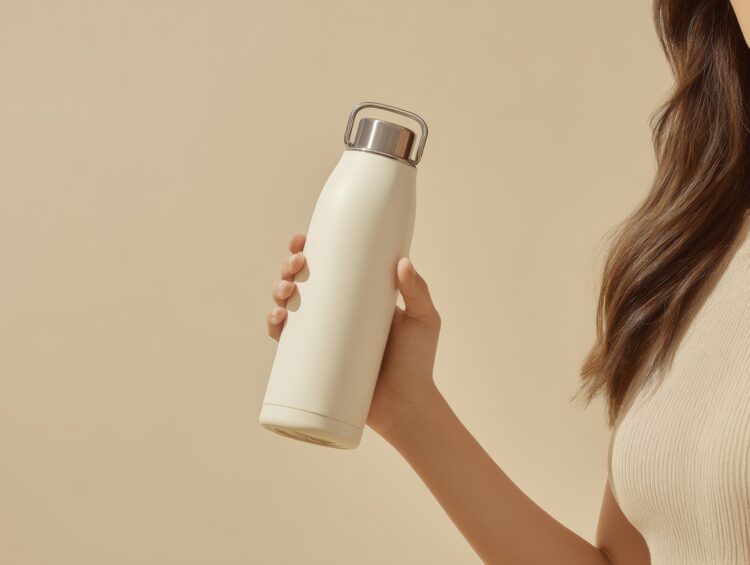
As summer temperatures climb, personal tumblers become ubiquitous. Many fill them with iced coffee for the morning commute, while others mix protein shakes for workouts. While insulated tumblers excel at keeping beverages cold, hot weather demands extra precaution depending on what you pour inside and how the container is handled. Bubbly beverages can spray or overflow unexpectedly, while milk-based drinks face an accelerated risk of spoiling. Furthermore, long-term use can leave behind persistent odors that survive a standard wash. Utilizing your tumbler safely and hygienically this summer requires a few key adjustments.
The Hidden Risks of Carbonated and Fermented Beverages
Carbonated drinks, kombucha, and sparkling fruit ades require careful handling when added to a sealed environment. The carbon dioxide or fermentation gases cannot escape, causing internal pressure to mount. If the tumbler is shaken during travel or left inside a hot car, the contents can surge violently upon opening—much like an agitated soda bottle. While behavior varies by design, many manufacturers explicitly warn against using carbonated liquids. Models with narrow openings, such as one-touch lids or straw systems, are particularly prone to forcefully ejecting liquid when pressure vents.
The Korea Consumer Agency previously halted domestic sales of a specific vacuum flask that had been recalled overseas due to a risk of the lid forcefully detaching or the bottle exploding under high pressure. To minimize these risks, avoid filling the container to the brim, allow a shaken tumbler to rest upright before opening, and crack the lid slowly away from your face to let the gas vent gradually..

Managing Bacterial Growth in Dairy and Protein Drinks
Dairy-based lattes and protein shakes demand far stricter timeline management than water or black coffee. Rising summer temperatures accelerate spoilage, and introducing saliva or food particles via drinking creates an ideal breeding ground for bacteria. An insulated container may keep a drink cool, but it does not act as a refrigerator; leaving a dairy or protein beverage to be sipped slowly from morning until afternoon invites contamination.
Once finished, the container should be rinsed immediately. Left unchecked, protein residues develop notoriously stubborn odors that embed themselves into the rubber gaskets and straws. If an immediate wash is impossible, a quick rinse with fresh water helps. At home, completely disassemble the lid and gasket for thorough cleaning, and use a specialized narrow brush for straws.
Knowing When to Replace Your Tumbler
While highly durable, tumblers do not last indefinitely. If stubborn odors persist despite rigorous scrubbing, or if the rubber seal becomes discolored and sticky, the component or the entire unit likely needs replacement. Persistent leaks, stained straws, and a structural loss of insulation are all indicators that the product has reached the end of its lifespan.
Users should also inspect the inner stainless-steel lining. Scrubbing with abrasive tools like steel wool creates microscopic scratches where bacteria and contaminants can easily hide. If the interior coating is compromised, or if a dented base prevents a proper airtight seal, it is time for an upgrade. However, you do not always need to discard the entire unit immediately; many brands sell replacement gaskets and straws separately, allowing you to extend the life of the flask cleanly and sustainably.