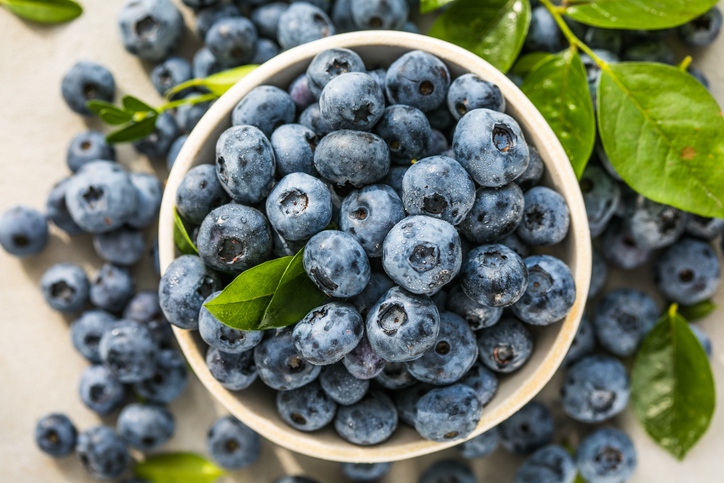
Before eating blueberries, you may notice a thin, whitish powder coating their surface. Many consumers mistake this for mold or pesticide residue and attempt to scrub it off immediately. However, this white coating is actually a natural indicator of the fruit's quality and freshness.
Bloom vs. Mold: How to Tell the Difference
The white powder is a natural protective coating known as "bloom." Produced by the fruit itself, bloom acts as a barrier against harmful external microbes and prevents moisture loss. Consequently, blueberries with a prominent layer of bloom are often the freshest available. Because bloom is delicate, it can easily rub off during harvesting, packaging, or handling.
To distinguish bloom from mold, look at the texture of the fruit. Blueberries with healthy bloom will have a dry surface with an even, whitish cast and a firm feel. In contrast, mold typically appears as damp, localized fuzz, often accompanied by shriveled skin or a soft, mushy texture.
The Right Way to Wash and Store Blueberries
Once the bloom is removed, blueberries become more vulnerable to the environment, which can accelerate spoilage. Furthermore, if water penetrates the fruit, the sweetness can become diluted and the texture soft. For the best results, rinse blueberries under running water for approximately 15 to 20 seconds, gently swishing them without scrubbing. It is recommended to wash only the amount you plan to eat immediately.
If you must store washed blueberries, dry them thoroughly with a paper towel first. Spread them out in a container, leaving the lid slightly ajar to allow for airflow. To maximize shelf life, store blueberries unwashed in a ventilated container; avoiding airtight bags or sealed lids will help prevent premature decay.
Frozen Blueberries: Concentrated Nutrition
For those who find fresh berries difficult to manage, frozen blueberries are an excellent alternative. During the freezing process, the concentration of anthocyanins—powerful antioxidant compounds—can actually increase. To enjoy the best texture, move frozen berries to the refrigerator one to two hours before consumption.
Blueberries are rich in anthocyanins, flavonols, and resveratrol, which work together to reduce inflammation and protect cells from carcinogens. These nutrients also support immune function, strengthening the body’s natural defenses against viruses and bacteria.