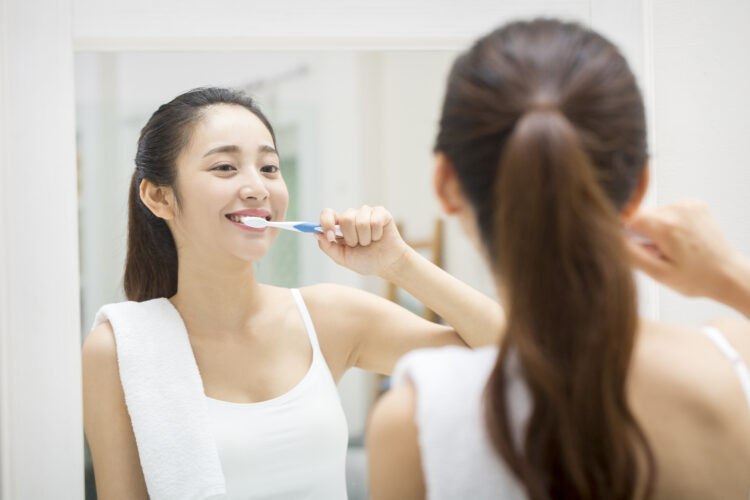
Some individuals brush their teeth the moment they wake up, then reach for the toothbrush again immediately after breakfast. However, dental experts warn that while neglecting oral hygiene is a problem, brushing too frequently or too aggressively can be equally harmful. When repeated, these habits can place unnecessary stress on the enamel and gum tissue.
Brushing After Acidic Drinks Weakens Enamel
Highly acidic beverages, such as orange juice, lemon water, and carbonated drinks, temporarily increase the acidity of the mouth. This process briefly softens the enamel—the tooth's protective outer layer. Brushing immediately after consumption can cause the surface to wear down more easily.
The irritation is often exacerbated by the use of whitening toothpastes or stiff-bristled brushes. Many dental professionals recommend rinsing the mouth with water after consuming acidic foods or drinks and waiting for the pH level to stabilize before brushing. Those who routinely drink lemon water on an empty stomach in the morning should be particularly mindful of this timing.
The Risk of Back-to-Back Brushing
Saliva production decreases during sleep, allowing bacteria to multiply. While brushing upon waking is beneficial for oral hygiene, problems arise when it is followed too closely by a second, aggressive session after breakfast.
Brushing twice within a short window can cause cumulative irritation to the gums and enamel. This is especially true if the second session follows the consumption of coffee, juice, or fruit. Experts suggest that the technique and timing of brushing are far more critical than the sheer frequency of the habit.
Vigorously Scrubbing the Tongue Can Backfire
To combat morning breath, many people vigorously scrub their tongues. However, the tongue's surface is sensitive; excessive force can lead to stinging or minor abrasions. Using a rough tongue cleaner with too much pressure often results in pain rather than improved hygiene.
It is generally sufficient to clean the tongue by lightly sweeping from the back toward the front. Using a soft-bristled toothbrush is often a gentler alternative. Furthermore, brushing for an excessive amount of time can make the oral mucosa more sensitive.
Lying Down After Eating Impacts Oral Health
Post-meal routines are just as vital as the brushing itself. Lying down immediately after eating can trigger acid reflux, which intensifies the acidic environment in the oral cavity. Consuming soda or alcohol late at night and falling asleep without brushing is particularly damaging. Because saliva production naturally dips at night, food debris and bacteria remain in the mouth longer, increasing the risk of cavities. Consequently, brushing before bed remains one of the most essential daily habits, ideally supplemented by flossing or interdental brushes.
Over-Brushing Leads to Gum Recession
Ironically, those who are most diligent about their oral care sometimes suffer the most gum damage. Pressing too hard and using a "sawing" motion can lead to gum recession and tooth wear. Many patients who experience sensitivity to cold water are found to be over-brushing.
Additionally, some whitening toothpastes contain harsh abrasives that can irritate the mouth if used excessively. Experts emphasize that for long-term dental health, gentle and thorough care is always superior to high-pressure scrubbing.