“They were discharged, but they don’t seem like their old self. You can even see the difference.”
It is a common observation among families after an elderly parent returns home from a brief hospital stay for pneumonia, a fracture, or surgery. Their appetite wanes, their walking pace slows, and they must brace themselves with both hands just to rise from a chair.
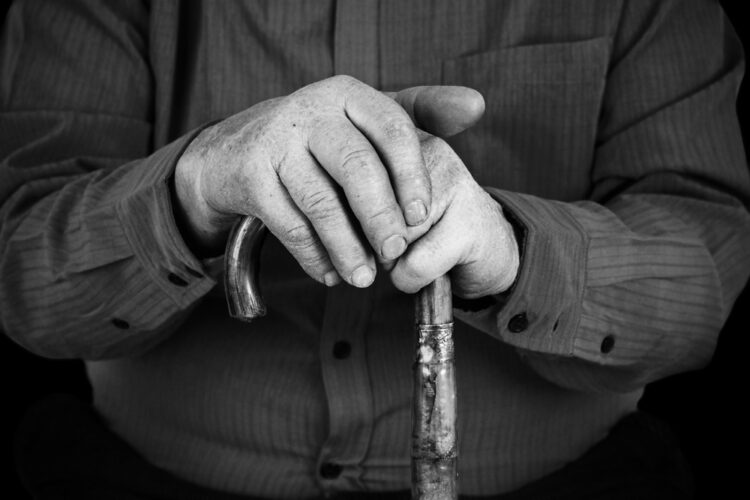
While families often dismiss these changes as an inevitable part of aging, geriatric medicine views this differently. This state—where the body’s physiologic reserve declines so sharply that even minor stressors like a small infection or a short hospitalization can disrupt daily life—is known as “frailty.” Frailty is not a single diagnosis, but a critical warning sign for long-term health.
Expert Strategies for a Super-Aged Society
The Korean Geriatrics Society (President: Han Seong-ho, Professor at Dong-A University Hospital) will address these challenges at its 77th Spring Academic Conference, held May 30–31 at BEXCO in Busan. The sessions will focus heavily on “Musculoskeletal Frailty” and the latest interventions for sarcopenia.
Key topics include the epidemiology of Locomotive Syndrome (LS), digital health interventions, and the implementation of Comprehensive Geriatric Assessment (CGA) in outpatient clinics. Experts such as Kim Mi-ji (Kyung Hee University), Yoo Jun-il (Inha University), and Park Hyun-tae (Dong-A University) will present strategies for preserving daily function.
“In a super-aged society, caring for older adults doesn't end with treating a single disease,” the society stated on May 7. “A key task in geriatric medicine is how well we help patients regain the strength to live independently in their communities after hospitalization.”

Recognizing the Warning Signs: It’s About Strength, Not Just Mass
Frailty does not arrive overnight; the signals appear gradually in daily life. Common indicators include:
A noticeable decrease in walking speed.
Hesitation to leave the house or avoiding stairs.
Increased frequency of dropping objects.
Inability to stand up from a chair on the first attempt.
This often triggers a "vicious cycle." Less movement leads to muscle loss, which destabilizes balance and increases the risk of falls. A single fall can lead to hip fractures and prolonged hospitalization, further depleting the patient’s physical reserves.
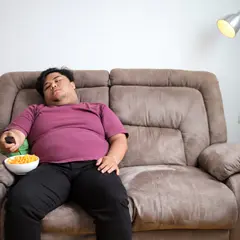
A central concept in this discussion is sarcopenia. Modern clinical criteria now prioritize the loss of muscle strength over the loss of muscle mass. If a parent struggles to rise from a sofa without assistance, it is a stronger indicator of sarcopenia and frailty than simple weight loss.
Understanding Locomotive Syndrome
The conference will also explore Locomotive Syndrome (LS), a term originating in Japanese orthopedics. It describes a decline in the bones, joints, muscles, and nerves that enable movement. Rather than treating osteoarthritis or osteoporosis in isolation, LS frames these issues as a single continuum that threatens independent mobility.
This shift in perspective suggests that health in later life cannot be judged by blood pressure or cholesterol numbers alone. Even if a patient's lab results are perfect, they cannot be considered "healthy" if they are unable to walk or stand independently.
Why Hospitalization Accelerates Aging
The moment that most shocks families is the sudden decline following a hospital stay. A parent who was grocery shopping independently before admission may become room-bound after discharge.
Even short periods of bed rest can cause leg strength to plummet and disrupt day-night rhythms. In frail older adults, the unfamiliar hospital environment can also trigger delirium or post-discharge anxiety. Geriatric medicine, therefore, asks more than just "Was the disease cured?" It asks: "Can the patient still get to the bathroom safely?"
Beyond Exercise: A Comprehensive Approach
While exercise is the core of prevention, the needs of older adults differ from younger fitness goals. Walking is beneficial, but strength and balance training—such as sit-to-stand practices and single-leg standing—are essential for real-life function.
Nutrition also plays a critical role. Managing malnutrition and ensuring adequate protein intake must go hand-in-hand with physical activity. Furthermore, fall prevention must begin at home by installing non-slip mats, improving lighting, and removing floor thresholds.
A Collaborative Model of Care
Frailty is too complex to be solved within hospital walls alone. The Korean Geriatrics Society emphasizes a "hospital-to-community" collaboration model. Since most falls and nutritional lapses occur at home, management must extend into the community through integrated care and home-based medical services.
The standard for health in a super-aged society is evolving. It is no longer just about living longer, but about maintaining the strength to stand, walk, and engage with the world independently.
The conference will be held on the second floor of the BEXCO Convention Hall. Detailed programming and registration are available on the Korean Geriatrics Society website (https://www.geriatrics.or.kr/new_workshop/2026S/about/program_All.php).