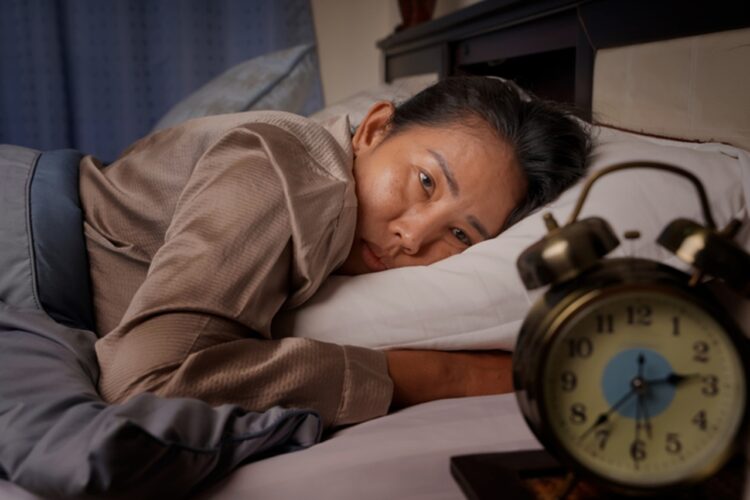
There are days when you are worn out from work—your body feels exhausted and you are desperate for rest—but for some reason, sleep remains elusive. If you are experiencing insomnia despite avoiding late-night snacks or caffeine and having no immediate worries, there may be a less obvious cause. Here are six unexpected factors that can trigger a restless night.
Cold Extremities Can Prevent Deep Sleep
Cold hands and feet are often related to an individual’s natural constitution, persisting even when the room temperature is set to a comfortable level. However, the temperature of your extremities is a critical factor in achieving deep sleep. If your feet tend to feel cold, simply pulling up the blanket may not be enough; wearing soft sleep socks can help regulate your body temperature for better rest.
The Problem with Excessive Silence
While a quiet space is generally best for sleep, an environment that is too silent can actually be counterproductive. In total silence, even minor, insignificant noises become magnified and more irritating. In such cases, using a white noise machine or an app with gentle, sleep-promoting music can create a more stable auditory environment.
The Narrow Window of Optimal Temperature
The ideal indoor temperature varies by person, as some are more sensitive to heat or cold than others. On average, scientific experiments suggest that 18–22°C is the optimal range for falling asleep. When the temperature drops below 12°C or rises above 24°C, sleep quality is disrupted for most individuals.
Physical Exhaustion vs. Mental Alertness
After a tiring day, you may feel physically drained, but medical experts warn that being "tired" is not the same as being "sleepy." Intense mental work or heavy physical activity can leave your body exhausted while your mind remains in a high state of alertness. In these moments, forcing yourself to sleep often fails; instead, focus on calming the mind and reaching a state of comfort first.
Unrecognized Phobia of the Dark
For some, the moment the lights go out, anxiety sets in. This phobia of the dark can make a person hypersensitive to small sounds, preventing them from drifting off. While some are aware of this fear, others may not recognize it as the cause of their restlessness. If you frequently wake up at dawn without a clear medical reason, an underlying anxiety about the dark may be the culprit.
The Impact of a Full Moon
While a full moon won’t trigger a cinematic transformation, its brightness and subtle environmental shifts can indeed disrupt human sleep. Multiple studies have shown that the number of people who fail to get restful sleep increases during a full moon, with the time required to fall asleep increasing by an average of five minutes or more.