Spring favorites like strawberries, oranges, and tomatoes are packed with vitamins and antioxidants, often called "natural supplements." However, how you prepare these fruits significantly impacts how much nutrition your body actually absorbs. According to health experts, simple choices—like the order you wash them or whether you eat the peel—can make a major difference. Here is an easy-to-follow guide for getting the most out of your April in-season fruits.
Strawberries: Keep the Stem on While Washing
Strawberries are a powerhouse of Vitamin C, containing roughly 60–70 mg per 100 g. Because Vitamin C is water-soluble and sensitive to heat, handling is key.
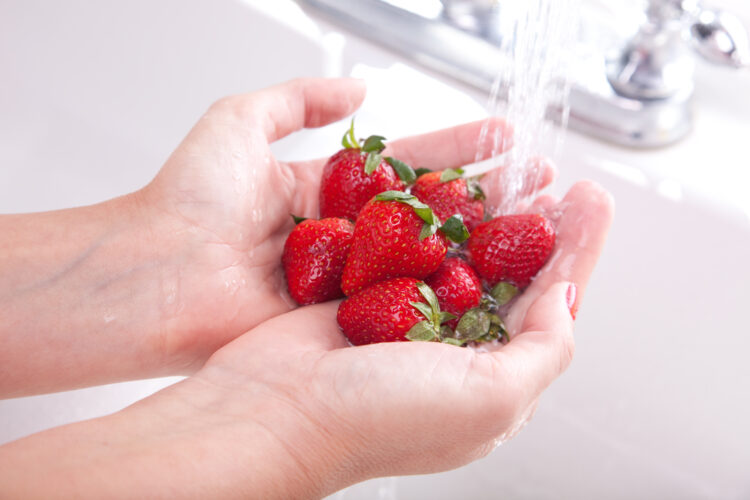
The Tip: Never remove the stem before washing. If the "cap" is removed, Vitamin C quickly leaches out through the exposed flesh into the water.
The Method: Rinse them quickly under running water with the stems attached, then remove the stems just before eating.
The Pair: Consuming strawberries with milk or yogurt can enhance calcium absorption due to the fruit's citric acid, providing a boost to nutritional efficiency and flavor.
Oranges: Don’t Peel Away the White Pith
Many people meticulously remove the white, stringy pith (the albedo) from orange segments, but doing so discards "blood vessel nutrition."
The Tip: The pith is rich in hesperidin, a flavonoid also known as Vitamin P. It supports blood vessel health, improves circulation, and provides antioxidant benefits.
The Timing: Because oranges are highly acidic, eating them on an empty stomach can irritate the gastric lining. To prevent heartburn, it is best to enjoy them after a meal, especially for those with sensitive stomachs.
Tomatoes: Cook Them to Unlock Lycopene
The star nutrient in tomatoes is lycopene, a potent antioxidant. However, eating tomatoes raw is not the most efficient way to absorb it.
The Tip: Lycopene is trapped within the plant’s cell walls. Heating tomatoes breaks down these structures, converting the nutrient into a form that is much easier for the body to utilize.
The Pair: Since lycopene is fat-soluble, its absorption rate rises significantly when consumed with healthy fats like olive oil.
The Warning: Avoid sprinkling sugar on tomatoes. The process of metabolizing sugar consumes B vitamins, which can disrupt the fruit's overall nutritional balance.