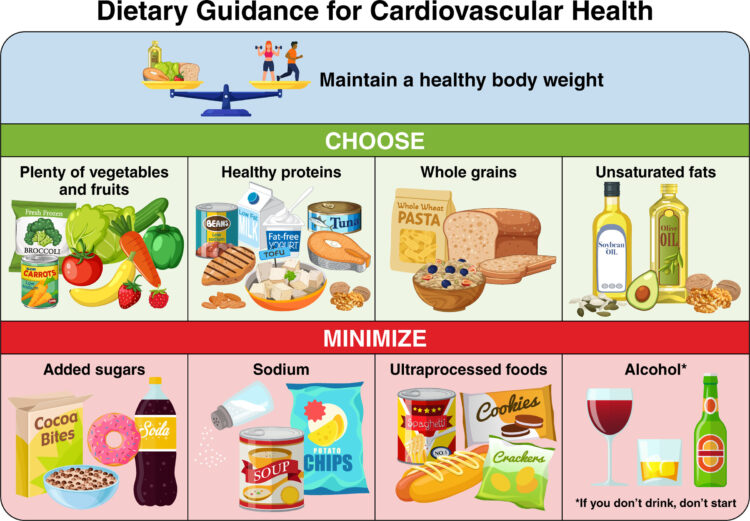
“To improve cardiovascular health, increase your intake of plant-based protein and replace animal saturated fat with plant-based unsaturated fat.”
This is the core message of the American Heart Association (AHA)’s 2026 Nutrition Guidelines, released on March 31. Founded in 1924, the AHA is the nation’s oldest and largest private organization dedicated to fighting cardiovascular disease and stroke. Since 1961, it has published dietary standards every five years, establishing the scientific benchmark for heart health in the United States.
AHA Recommends Plant-Based Protein and Low-Fat Dairy
In its latest report, the AHA advocates for a diet rich in vegetables, fruits, and whole grains. Crucially, it advises prioritizing plant-based proteins—such as legumes, nuts, and seeds—over meat. When dairy is consumed, the AHA suggests choosing low-fat or fat-free versions. For those who eat red meat, the association recommends lean cuts while strictly limiting processed meats, sugar, salt, and ultra-processed foods.
The Clash with Federal "Real Food" Guidelines
These recommendations stand in sharp contrast to the "2025–2030 Dietary Guidelines for Americans (DGA)," released on January 7 by the U.S. Department of Health and Human Services (HHS) and the Department of Agriculture (USDA).
The federal DGA was initially praised for its stance against ultra-processed foods and its endorsement of fermented foods like kimchi, sauerkraut, and kefir for gut health. however, it sparked immediate controversy by recommending red meats (beef and pork), full-fat dairy, and animal fats like butter as nutrient-dense "real foods."
Critics argue these federal guidelines were heavily influenced by "MAHA" (Make America Healthy Again), a reform program led by HHS Secretary Robert F. Kennedy Jr. under the Trump administration. The MAHA initiative has faced scrutiny for prioritizing Secretary Kennedy’s personal beliefs over established nutritional science, which has long linked animal saturated fats to heart disease.
The Science: Saturated vs. Unsaturated Fats
The fundamental disagreement lies in the biochemical impact of different fats. While the federal government now de-emphasizes the risks of saturated fat in favor of "minimally processed" options, the AHA remains firm on the dangers of animal fats.
Saturated Fat: Found in meat, butter, and palm oil, these fats are solid at room temperature. They interfere with the liver's ability to break down LDL (Low-Density Lipoprotein), or "bad cholesterol." High LDL levels lead to plaque buildup on vessel walls, causing atherosclerosis and increasing the risk of heart attacks.
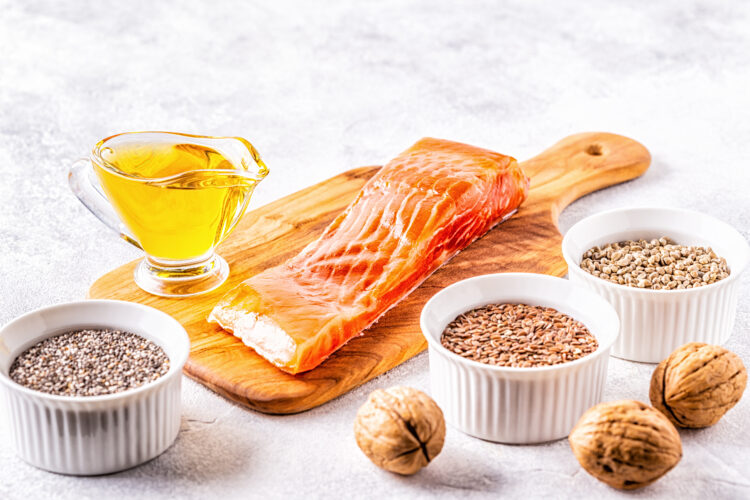
Unsaturated Fat: Found in olive oil, avocado oil, nuts, and oily fish, these are liquid at room temperature. They lower LDL and raise HDL (High-Density Lipoprotein), or "good cholesterol." HDL acts as a scavenger, clearing LDL from blood vessel walls and transporting it to the liver for removal.
Science vs. Politics
The conflicting advice from the HHS and the AHA has left many consumers confused. However, the AHA’s refusal to align with the government highlights its role as an independent scientific watchdog. By doubling down on the risks of saturated fat, the 100-year-old organization has signaled that it will not let political shifts or "belief-driven" policies like MAHA override decades of cardiovascular research. For those prioritizing heart health, the scientific reality remains clear: the type of fat you eat matters as much as how processed it is.