As blood sugar management becomes a major health priority, gimbap has occasionally been cast as a "main culprit" for causing glucose spikes. However, this reputation is somewhat a matter of perspective. Gimbap is a highly variable dish; its impact on your health depends entirely on how it is prepared. While a roll packed with white rice and few vegetables can cause a sharp rise in blood sugar, a version made with whole grains and abundant fiber can be a balanced, healthy meal.
The Hidden Catch: Why Some Gimbap Spikes Blood Sugar
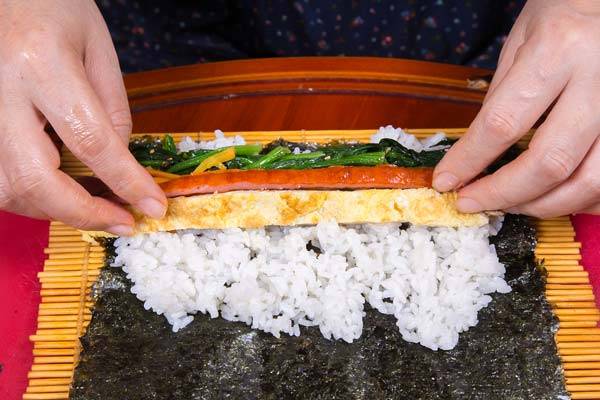
The primary issue is that gimbap often contains more rice than it appears to. Additionally, many varieties include sweetened pickled radish (takuan) or processed meats high in sodium, such as imitation crab and sausage—none of which are ideal for glucose control.
Eating habits also play a role. Because gimbap is a portable "convenience" food, it is often consumed quickly during a busy workday. This rushed eating speeds up digestion and absorption, which can trigger a rapid blood sugar spike.
How to Prepare a Glucose-Friendly Meal
Limiting consumption to one roll per meal is a good starting point for weight and blood sugar management. To further optimize the meal, look for "low-rice" options or those using brown rice and other whole grains.
Replacing processed sausages with lean proteins like chicken breast or egg strips—and loading the roll with spinach and carrots—will ensure blood sugar rises more gradually. The dietary fiber in the vegetables and the protein in the eggs or chicken work together to suppress sudden glucose surges.
The Synergistic Effect of Kimchi
Pairing gimbap with kimchi can offer significant health benefits. Kimchi is rich in nutrients, probiotics, and dietary fiber. This fiber slows down the digestion of the carbohydrates in the gimbap, helping to prevent a spike. Furthermore, the fiber in kimchi and the vegetables inside the roll can help improve vascular health by reducing neutral fats in the body. The crunchy texture of kimchi also encourages slower chewing, which is naturally better for metabolism.
Managing Blood Sugar with Takeout
When you make gimbap at home, you have total control over the ingredients. However, when ordering takeout or delivery, you are at the mercy of the restaurant's recipe. If you cannot find a low-carb version, focus on "post-meal movement."
About 20 minutes after eating—just as blood sugar begins to climb—engage in light physical activity. Walking around the office, climbing stairs, or doing a few squats can help settle rising glucose levels. If exercise isn't possible, simply avoiding sitting for 20 to 30 minutes after your meal can encourage a more gradual blood sugar curve.