On the surface, they may not seem urgent. That is precisely why people tend to put them off. However, these are not issues that can be dismissed as mere discomfort. Conditions such as hernias, gynecomastia, and accessory breast tissue (supernumerary breasts) are "everyday" surgical needs that carry real risks. A hernia can trap the intestine or an ovary, leading to tissue necrosis, while gynecomastia and accessory breast tissue cause physical pain, postural changes, and psychological withdrawal.
Dr. Seong-ryeol Lee, President of Damsoyu Hospital, stresses: “These conditions should not be approached casually based on a physician’s personal experience alone; they must be treated according to textbook standards grounded in evidence-based medicine.”
- Even if the groin bulges, many people brush it off if the pain is not severe. Why should a hernia not be taken lightly?
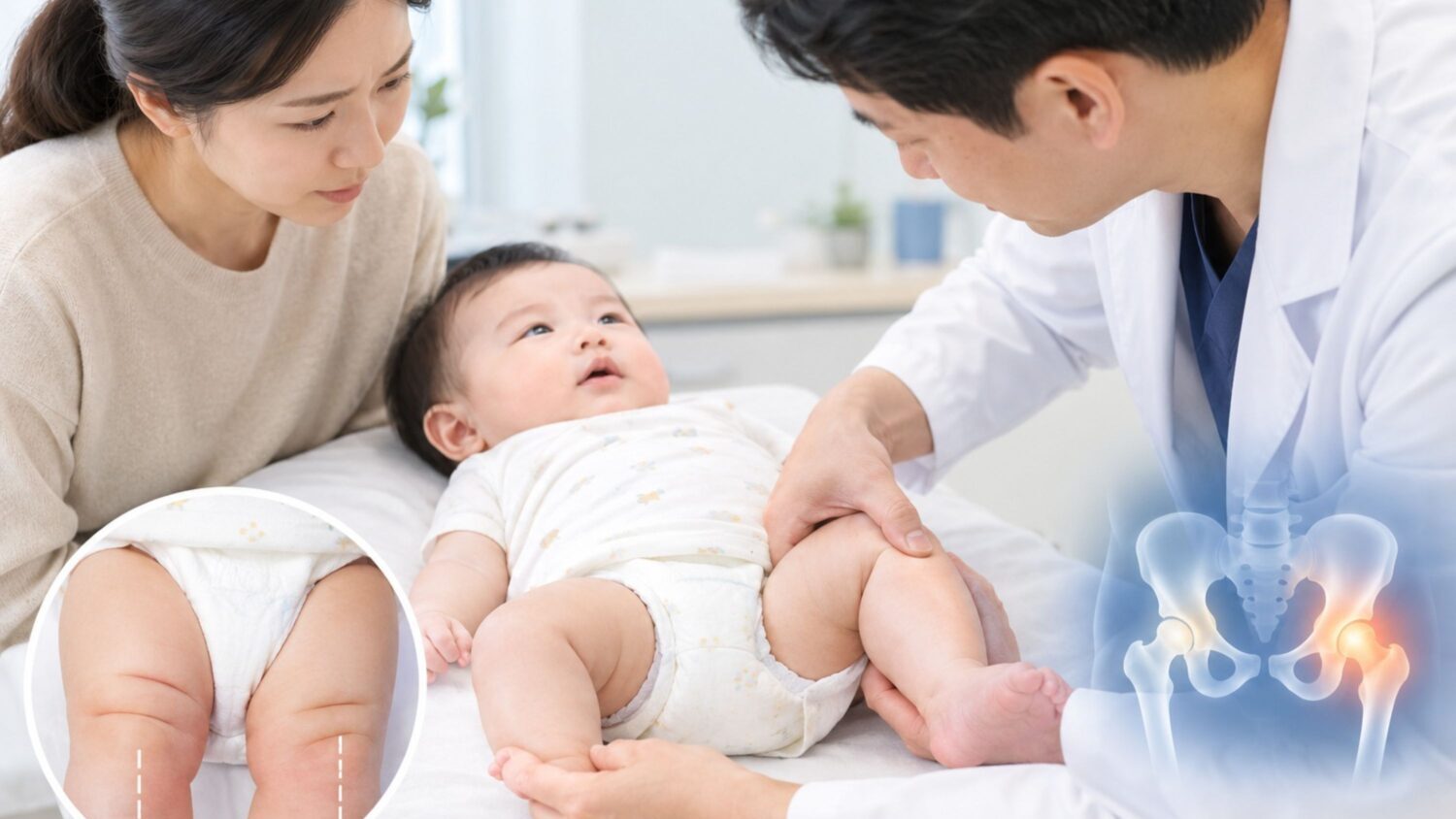
“A hernia occurs when an organ or tissue pushes through a weakened gap in the abdominal wall. Even if it looks like a simple bulge, the real danger begins when an organ becomes trapped in that opening. This can cut off blood flow and cause necrosis. What could have been treated by simply closing a small gap can escalate into major surgery requiring bowel resection. In girls, the ovary can also slip into the hernia, so extra caution is needed.”
When a hernia is suspected, the sign is clear: something that wasn't there suddenly protrudes. Parents often notice it while changing diapers, and adults find it while showering. The bulge may appear when standing or straining and disappear when lying down. However, if it becomes firm, painful, or refuses to go back in, you must seek medical care immediately.
- What is the most common misconception parents have about pediatric hernias?
“The biggest mistake is thinking, ‘They’re still young, so we should delay surgery.’ It is incorrect to wait for a specific milestone like a first birthday. According to surgical textbooks, once a pediatric hernia is diagnosed, the standard approach is to operate as soon as possible.”
While there are exceptions—such as extremely low-birth-weight infants in neonatal care where waiting may reduce anesthesia risks—Dr. Lee explains these should not be applied to all children. “Doctors should not speak based on their own criteria; they should explain based on the clinical evidence presented in textbooks.”
- Many adults are anxious about placing surgical mesh—a foreign material—inside their bodies. Is this fear justified?
“The surgical mesh used for hernias is fundamentally no different from the vascular stents used in heart procedures. Fearing reinforcement material is an excessive reaction to a material that has been used safely for a long time. Since the introduction of mesh, hernia recurrence rates have clearly decreased.”
- Gynecomastia and accessory breast tissue are often dismissed as "just weight gain." Why do they require surgical treatment?
“Accessory breast tissue is actual breast tissue remaining in areas like the armpit—it is not simple fat. It is common among Asian women and can cause severe pain during pregnancy and menstruation. If this were merely cosmetic, it would not be covered by national health insurance.
Similarly, gynecomastia is a condition where male breast tissue develops. If you only perform liposuction and leave the glandular tissue behind, recurrence is inevitable. It is not a fat problem; it is a breast tissue problem. Proper surgery must focus on precisely removing that developed glandular tissue.”
- What is the most difficult part for adolescent patients dealing with these conditions?
“For adolescents, the psychological withdrawal is far greater than the appearance issue. they wear oversized clothes, use compression bands, and hunch their shoulders until their posture becomes distorted. Most do not even talk about it with their parents. Patients with accessory breast tissue face similar struggles, avoiding short sleeves and experiencing pain that makes daily life difficult. These are diseases that cause pain, functional discomfort, and psychological isolation simultaneously.”
- What principle do you emphasize for patients who are afraid of surgery?
“Before talking about pain or scars, we must talk about the safety system. A surgeon’s skill is not enough; you need a dedicated anesthesiology specialist, a rigorous preoperative testing system, and a sterile operating environment. We maintain positive pressure in our operating rooms and use high-performance filters to minimize infection risk.
Hernias, gynecomastia, and accessory breast tissue all seem trivial at first, so people put them off. But as time slips by, the pain deepens and the withdrawal lasts longer. These are not conditions to endure—they must be accurately diagnosed and corrected at the right time. More important than vague fear are unwavering treatment principles and accurate judgment.”