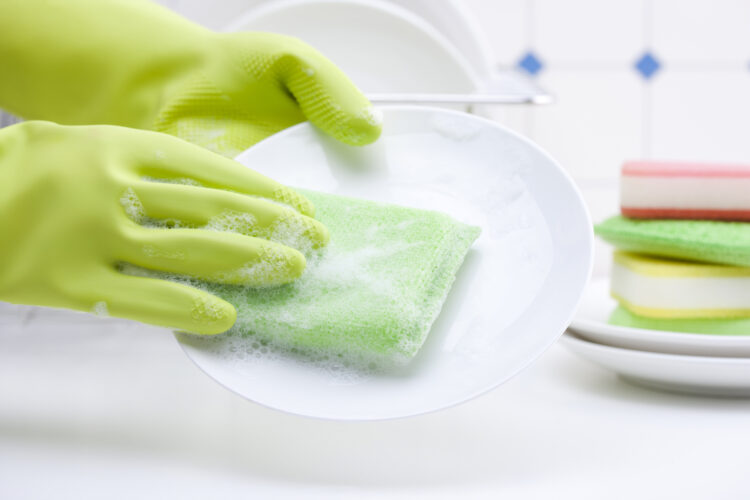
The humble kitchen sponge is often the most significant hygiene blind spot in the home. A landmark 2017 German study identified 362 distinct types of microorganisms living within standard dish sponges, with bacterial densities reaching up to 54 billion per cubic centimeter. The constant presence of moisture and food residue creates a near-perfect breeding ground for rapid microbial multiplication.
While simply rinsing a sponge is insufficient to curb these populations, certain household methods can significantly reduce bacterial levels. Here is how to manage sponge hygiene effectively using heat, chemicals, and proper maintenance.
1. Microwave Heating: The Rapid High-Heat Method
Heating a thoroughly saturated sponge in the microwave for approximately two minutes is one of the most practical ways to kill bacteria. The process rapidly raises the internal temperature, neutralizing a vast majority of the microbial load.
Critical Safety Note: The sponge must be soaking wet to prevent it from catching fire. Additionally, never microwave sponges that contain metallic scrubbing components or "silver" threading, as this poses a severe fire and appliance damage risk. Always allow the sponge to cool completely before handling.
2. Dishwasher Sanitization
Running your sponge through a full dishwasher cycle—specifically one that includes a high-temperature wash and a heated drying phase—is an effective way to integrate disinfection into your daily routine. To maximize results, avoid "eco" or short cycles, as these may not reach the sustained temperatures required to penetrate the sponge's porous center.
3. Diluted Bleach: Chemical Disinfection
Soaking a sponge in a diluted chlorine bleach solution is a fast-acting way to reduce bacterial counts. This is particularly useful for quick sanitation after handling raw meat residues. However, caution is required: high concentrations can irritate the skin and leave chemical residues on dishes. Always rinse the sponge thoroughly under running water and allow it to dry completely after a bleach soak.
4. Boiling Water: The Traditional Heat Treatment
Submerging a sponge in boiling water is a reliable, equipment-free method for heat disinfection. While effective, it is important to limit the boiling time to a few minutes. Repeated or prolonged exposure to boiling temperatures can break down the synthetic fibers of the sponge, causing it to crumble and lose its structural integrity.
5. Baking Soda: Odor and Grease Management
Baking soda is an excellent supplemental tool for removing grease buildup and neutralizing odors. Soaking a sponge in a warm water and baking soda solution helps strip away the organic contaminants that bacteria feed on. However, while effective for cleaning, baking soda has limited disinfectant properties and should be used in conjunction with a heat-based method.
6. The Foundation: Complete Drying and Regular Replacement
The most critical factor in sponge hygiene is moisture control. Bacteria thrive in damp environments; therefore, you should squeeze out as much water as possible after every use and store the sponge in a well-ventilated area to dry.
Ultimately, no disinfection method is permanent. Sponges inevitably accumulate microscopic debris over time. For optimal kitchen safety, health experts recommend replacing your dish sponge every one to two months, regardless of how clean it may appear.