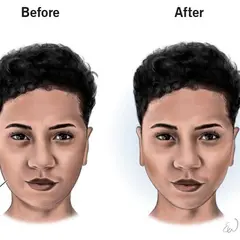
Many people start their day with a cup of coffee, yet a persistent warning remains: “If you drink too much coffee, you’ll get more wrinkles.” In reality, the primary concern for skin health is often not the coffee itself, but rather the added ingredients in sweet lattes and syrupy specialty drinks.
Experts explain that while coffee contains beneficial antioxidant compounds, beverages high in sugar can accelerate the skin-aging process. Ultimately, the impact on your complexion depends less on the bean and more on how the drink is prepared.
Antioxidant Benefits of Coffee
Coffee is a rich source of polyphenols, most notably chlorogenic acid. These antioxidants are vital for neutralizing free radicals—unstable molecules that are primary contributors to premature skin aging and cellular damage.
By reducing oxidative stress, these compounds can actually support skin health and have shown positive correlations with cardiovascular wellness in various studies. However, these benefits are most effectively harnessed when the coffee is consumed without excessive additives.
The Glycation Reaction: How Sugar Damages Skin
The real danger to a youthful complexion lies in sweetened coffee beverages. Drinks like lattes and Frappuccinos, which are often loaded with sugar or flavored syrups, cause rapid spikes in blood sugar.
This spike triggers a process known as “glycation.” During glycation, excess sugar molecules attach to proteins in the body, creating harmful new molecules that damage collagen and elastin—the key proteins responsible for skin firmness and elasticity. Over time, repeated glycation causes the skin to lose its structural integrity, leading to sagging and the premature formation of wrinkles.
Caffeine and Hydration
Excessive caffeine consumption can also indirectly impact the skin’s appearance. Caffeine acts as a diuretic, increasing the amount of water excreted from the body.
If coffee intake is not balanced with sufficient water consumption, the skin can become dehydrated. Dehydrated skin often appears duller, and fine lines become more pronounced. This effect is particularly noticeable as we age, since the skin’s natural ability to retain moisture naturally declines over time. Dermatologists recommend drinking a glass of water alongside every cup of coffee to maintain optimal hydration levels.
Moderation is Key for Skin Health
Health experts and the Ministry of Food and Drug Safety suggest that you do not need to quit coffee entirely. A reasonable daily limit for most adults is approximately 400 mg of caffeine—roughly equivalent to three to four cups.
For those concerned with skin health, the best approach is to opt for black coffee or low-sugar options. By avoiding sugary syrups and maintaining a habit of drinking plenty of water, you can enjoy the antioxidant benefits of coffee while protecting your skin’s long-term elasticity and glow.