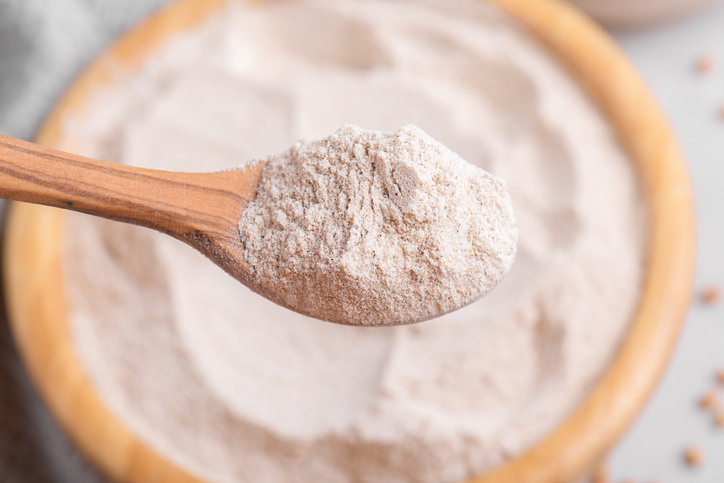
Flour is a staple for everything from handmade noodles to fresh bread, but it is highly sensitive to storage conditions. Once it passes its prime, the flavor profile shifts and the quality deteriorates. While most people instinctively throw away expired flour, it actually serves as a powerful, non-toxic cleaning agent for both the kitchen and the bathroom.
Restoring Shine to the Kitchen Sink and Range Hood
Stainless steel sinks are notorious for attracting stubborn grease stains and detergent residue. To restore their shine, simply sprinkle flour over the stained area and wipe it with a dry cloth. The flour acts as an absorbent, lifting away oils and film without the need for harsh chemicals.
For more intensive cleaning, such as the grease trapped in range hood filters, flour can be combined with soju. By mixing the two in a one-to-one ratio, you create a thick paste. Apply this mixture to both sides of the filter, let it sit, and then rinse with hot water and standard dish soap. The flour's starch molecules bond with the grease, making it far easier to wash away.
Eliminating Mold and Limescale in Bathroom Grout
The porous surface of bathroom grout easily traps skin cells, shampoo residue, and limescale. When combined with a humid environment, these areas become breeding grounds for mold.
Light water stains can be tackled by sprinkling expired flour over the grout and lightly spraying it with water to create a dough-like consistency. It is important not to over-saturate the area, as a thin consistency reduces the flour's scrubbing power. Let the paste sit for 5 to 10 minutes before scrubbing with a toothbrush and rinsing thoroughly with high water pressure. Ensure all flour residue is completely rinsed away, as any leftovers can ironically become a food source for bacteria.
For stubborn stains, consider these additives:
Vinegar: The acidity dissolves hard, white calcium carbonate and limescale.
Baking Soda: Its mildly alkaline properties are ideal for breaking down acidic fatty acids and deep-seated contaminants.
Storage Secrets: Preventing Rancidity and Odor Absorption
If you find yourself frequently throwing away flour, a change in storage habits may be necessary. Flour contains fats that can go rancid when exposed to oxygen, light, and heat, resulting in a musty odor and a gray or yellow discoloration. Furthermore, protein deterioration can ruin the texture of future bakes by inhibiting proper gluten formation.
To maximize shelf life, store flour in a sealed airtight container in a cool, dry place. If your kitchen tends to be warm, the freezer is an excellent alternative. Always keep flour away from strong-smelling foods, as its porous nature causes it to absorb surrounding odors rapidly.