
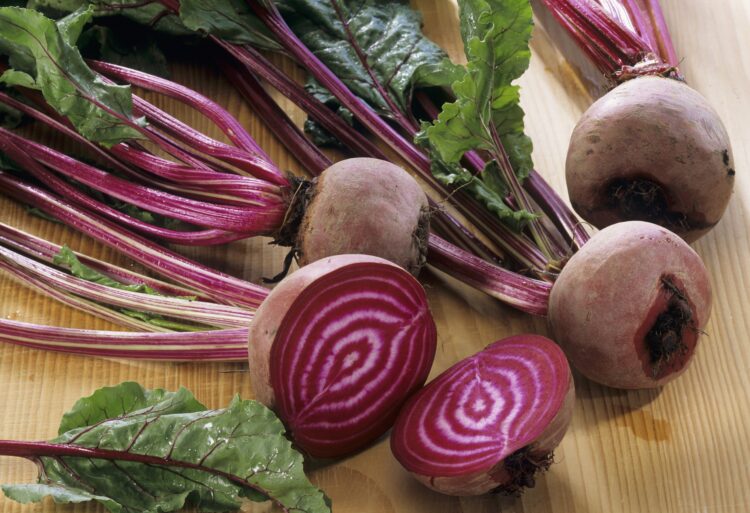
As we age, prioritizing vascular health becomes a necessity. When fats and waste products accumulate within the circulatory system, blood vessels narrow, creating a pathway for chronic conditions such as hypertension. Amidst growing public interest, various dietary "cures" for vascular health have flooded social media, with one particular vegetable taking center stage: the beet.
Viral claims often suggest that beets can even revive "dead blood vessels." The science behind this involves inorganic nitrates; when consumed, these nitrates are converted into nitric oxide, a powerful vasodilator that relaxes the smooth muscles of the blood vessels. But is the hype justified?
Fact-Checking the "Miracle" Root
To be clear, the claim that beets can revive "dead" vessels is a journalistic exaggeration. However, the foundational premise—that beets are excellent for vascular health—is supported by clinical evidence. Research has shown that individuals diagnosed with or at risk of hypertension saw their blood pressure return to normal ranges after consuming 250ml of beetroot juice daily for four weeks.
Critical Cautions for Medication Users
Despite these benefits, certain precautions are non-negotiable. If you are already prescribed medication for high blood pressure, the natural vasodilating components in beets may conflict with your treatment. To avoid a dangerous drop in blood pressure or other adverse reactions, it is vital to consult with a medical specialist before integrating significant amounts of beetroot into your diet.
Why Raw Isn't Always Better: The Liver and Digestion
While many prefer raw vegetables for their perceived nutrient density, consuming large quantities of raw beets is not advisable. Beets are naturally high in iron; while essential, excessive iron intake can place a significant burden on the liver.
Furthermore, the raw fibers of the beet have a lower rate of digestion and absorption, which can lead to gastrointestinal distress, including bloating and diarrhea. For optimal safety and nutrient bio-availability, health experts recommend steaming beets for approximately 15 minutes before consumption. This mild heat treatment softens the fibers and reduces the digestive load while preserving the root's vascular-boosting properties.