In recent years, medical professionals have observed a sharp decline in the pancreatic and colorectal health of the general population. While genetics and environmental factors play a role, experts point to a shift toward high-calorie, high-fat, and highly processed diets as the primary catalyst.
Today’s lifestyle often involves overeating paired with a sedentary routine. When we consume high-fat late-night snacks and go immediately to sleep, the pancreas is forced into "overtime." As the organ responsible for secreting digestive enzymes and insulin, the pancreas becomes exhausted by constant metabolic demand. Because the colon is the eventual site where digested waste accumulates, its health is inextricably linked to these same dietary patterns.
Closing the Gender Gap: The Increasing Influence of Nutrition
Historically, men were considered at higher risk for digestive cancers due to higher rates of smoking and alcohol consumption. However, recent data suggests that diet is becoming a universal equalizer. According to the Central Cancer Registry’s January 2026 report, 32,610 new cases of colorectal cancer were recorded in 2023. Of these, 19,156 were men and 13,454 were women—a narrowing gap.
The statistics for pancreatic cancer are even more striking: among 9,748 patients, there were 4,925 men and 4,823 women, showing almost no difference between the sexes. While smoking remains a major risk factor, the impact of a diet high in processed meat and low in fiber is increasingly significant for everyone.
Dietary fiber, found abundantly in vegetables, fruits, whole grains, and seaweed, acts as a "cleaner" for the colon. It also slows digestion, ensuring a gradual rise in blood sugar that alleviates the burden on the pancreas. Conversely, a diet heavy in refined carbohydrates and fats forces the pancreas to pump out massive amounts of insulin, leading to long-term organ deterioration.
Colorectal Cancer: Risk Factors and Early Detection
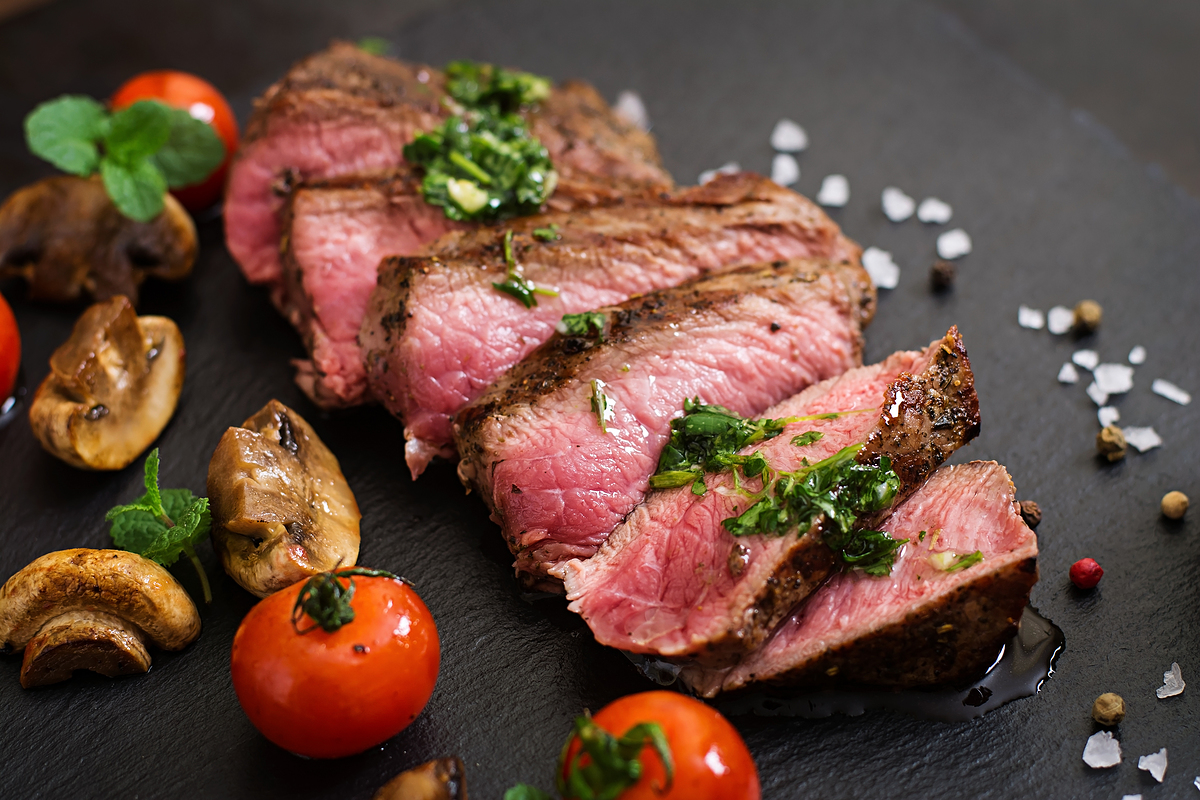
The primary risk factors for colorectal cancer include the excessive consumption of red meat (beef and pork) and processed meats like ham, sausage, and bacon. Obesity, alcohol, smoking, and a sedentary lifestyle further exacerbate the risk.
Physical activity is a key preventive measure; exercise promotes intestinal peristalsis, reducing the time stool stays in the colon. This limits the duration that carcinogenic substances remain in contact with the intestinal mucosa. Notably, prolonged sitting has been specifically linked to an increased risk of rectal cancer.
Symptoms to watch for include:
Sudden changes in bowel habits (diarrhea or constipation).
Blood or sticky mucus in the stool.
Thinner stools than usual.
Abdominal pain, bloating, or unexplained weight loss.
The definitive method for early detection is a colonoscopy. Consulting a physician to establish a regular screening schedule after age 50 can significantly improve treatment outcomes.
The Pancreas-Diabetes Connection
The correlation between pancreatic cancer and diabetes is becoming more pronounced. Because the pancreas regulates blood sugar, a diet that triggers chronic insulin spikes can lead to both diabetes and malignancy. If a patient develops diabetes suddenly in adulthood, doctors strongly advise undergoing a pancreatic examination.
Early detection of pancreatic cancer is notoriously difficult, as symptoms often only appear once the disease has reached an advanced stage. Pain is the most common symptom—occurring in about 90% of cases—typically felt just below the breastbone. However, because the pancreas is located deep in the abdomen near the spine, many patients mistake pancreatic distress for simple back pain. By the time lower back pain becomes severe, the cancer has often progressed significantly.
Vigilance as the Best Defense
Unlike colorectal cancer, there is currently no standard early-screening protocol for the pancreas. This makes lifestyle management the first line of defense.
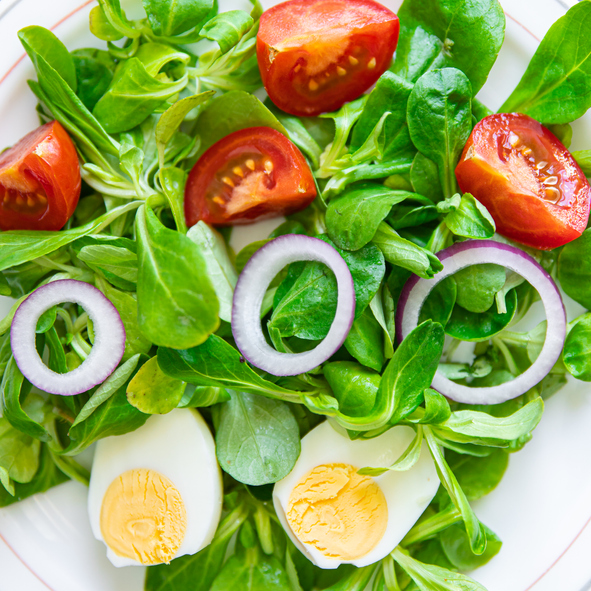
To protect both the colon and the pancreas, it is essential to incorporate fiber-rich vegetables and whole grains into every meal. Even when consuming meat, accompanying it with onions, green onions, or lettuce can mitigate some of the negative effects. As we enter our 50s, the body can no longer process high-calorie "free eating" as it did in youth. Moderation, selective eating, and frequent physical movement are no longer just suggestions—they are requirements for a long, cancer-free life.