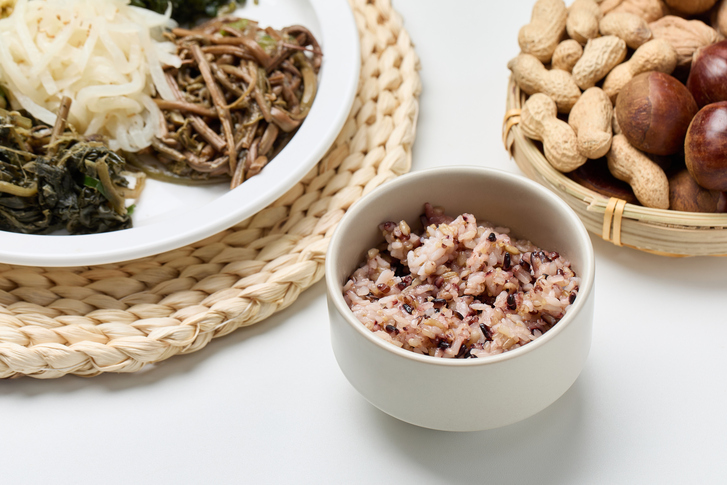
March 3rd marks the first full moon of the lunar calendar, a day traditionally dedicated to wishing for abundance and health by consuming ogokbap. This "five-grain rice" is a nutritional powerhouse typically served alongside namul—seasoned vegetable side dishes such as dried radish greens. In an era dominated by processed convenience foods, returning to these fiber-rich staples offers a potent defense against the rising tide of diabetes and metabolic decline.
Ogokbap and Glycemic Control: A Natural Alternative to White Rice
Ogokbap is a blend of five essential grains, traditionally including glutinous rice, barley, beans, millet, and sorghum. As public awareness of blood sugar management grows, this mixture is gaining recognition as a superior alternative to refined white rice. The high dietary fiber content in these whole grains slows the digestion process, ensuring that glucose is released into the bloodstream gradually rather than in a sharp spike. For those with sensitive digestion who may find a full grain mix heavy, incorporating these elements into standard rice can still provide a significant nutritional boost without gastrointestinal strain.
The Benefits of Barley: From Heart Health to Detoxification
A key component of ogokbap is barley, which is exceptionally rich in beta-glucan. This specific type of fiber is renowned for its ability to moderate blood sugar levels and inhibit the internal synthesis of cholesterol.
Beyond its cardiovascular benefits, barley’s dense fiber helps the body absorb and eliminate heavy metals and nitrosamines—carcinogenic substances often found in modern diets—thereby reducing the risk of colon cancer. Ounce for ounce, barley outperforms white rice in its concentrations of vitamins B1 and B2, niacin, folic acid, calcium, and iron. However, medical experts advise that individuals with compromised kidney function should consume barley in moderation due to its mineral profile.
The Power of Sun-Dried Namul: Radish Greens and Root Vegetables
The namul side dishes served on the first full moon—including dried radish greens, pumpkin, mushrooms, and bellflower root—undergo a traditional drying process that significantly alters their nutritional value. Exposure to sunlight dramatically increases the vitamin D and calcium content of these vegetables.
Dried radish greens (siraegi), for instance, see their dietary fiber content increase three to four times during dehydration, making them highly effective at lowering both blood sugar and cholesterol. Meanwhile, bellflower root is prized for its high saponin content, which aids respiratory health by reducing cough and phlegm. Mushrooms round out the meal as a high-protein addition that supports vascular elasticity.
Returning to Natural Whole Foods
The traditional menu for the first full moon is almost entirely devoid of the processed additives and "factory-made" ingredients that burden the modern metabolism. Transitioning back to these natural foods provides the body with a much-needed reprieve, aiding in the long-term prevention of diabetes and the cleansing of the blood.
By reducing triglycerides and providing lasting satiety, ogokbap and namul act as natural tools for weight management and healthy aging. To ensure a long and vibrant life, the evidence suggests we must look backward to these time-tested, natural ingredients and break free from the cycle of processed food consumption.