

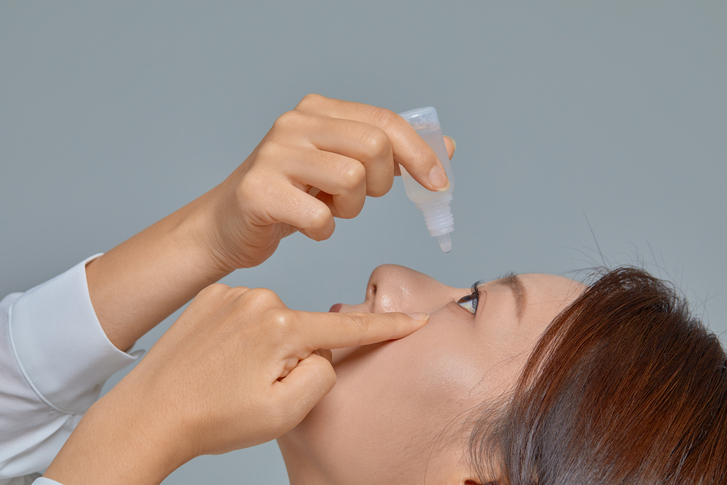
A sudden onset of dry eye syndrome may be more than a simple environmental irritation; it could be an early warning sign of a serious systemic illness. New research indicates that the emergence of chronic dry eyes significantly increases the likelihood of an autoimmune diagnosis within a few years, suggesting that the eyes may manifest symptoms long before a full-scale immune response is identified.
Dry eye syndrome is a chronic condition characterized by insufficient tear production or rapid evaporation, leading to a damaged ocular surface. If left untreated, the condition can progress beyond mere discomfort or a "foreign body" sensation to cause conjunctivitis, corneal ulcers, and permanent vision impairment.
A joint research team from Taiwan’s National Health Research Institutes and Chang Gung University College of Medicine analyzed data from 67,264 patients newly diagnosed with autoimmune diseases between 2008 and 2021. Drawing from the Taiwan National Health Insurance database, the study covered conditions where the immune system mistakenly attacks healthy cells, including Sjögren’s syndrome, rheumatoid arthritis, systemic lupus erythematosus (SLE), and Crohn’s disease.
Ocular Symptoms as a Precursor to Systemic Illness
The analysis revealed a striking chronological pattern: most patients diagnosed with autoimmune diseases experienced dry eye syndrome approximately three years prior to their formal diagnosis. This suggests that the eyes often serve as the initial site for a developing systemic autoimmune response.
The prevalence of pre-existing dry eye varied significantly by disease type. An overwhelming 81.3% of patients with Sjögren’s syndrome—a condition specifically known to target moisture-producing glands—had already experienced dry eyes. This was followed by patients with rheumatoid arthritis (39.3%), systemic lupus erythematosus (38.1%), and systemic sclerosis (35.6%).
Patients who developed dry eye syndrome before an autoimmune diagnosis typically exhibited high levels of ocular inflammation and significant damage to the ocular surface. In some cases, these symptoms escalated into severe complications, such as corneal tissue damage. The study also noted that female patients were more likely to experience these ocular precursors than males, and those with dry eye syndrome tended to receive their autoimmune diagnoses at an older age.
Why the Eyes React First
The research team explained that when autoimmune diseases manifest, immune cells begin attacking healthy tissues. The tear glands and the ocular surface are particularly vulnerable targets because they are constantly exposed to the external environment. Furthermore, the physiological structure of the tear glands makes them more susceptible to infiltration by wandering immune cells, which explains why the initial immune response often appears there first.
"Not everyone who experiences dry eye syndrome will develop an immune disease," the researchers clarified. "However, this study provides critical evidence for those with significant ocular surface damage or persistent inflammation, suggesting they may benefit from closer systemic monitoring."
The findings were recently published in JAMA Network Open, an open-access journal of the American Medical Association (AMA).