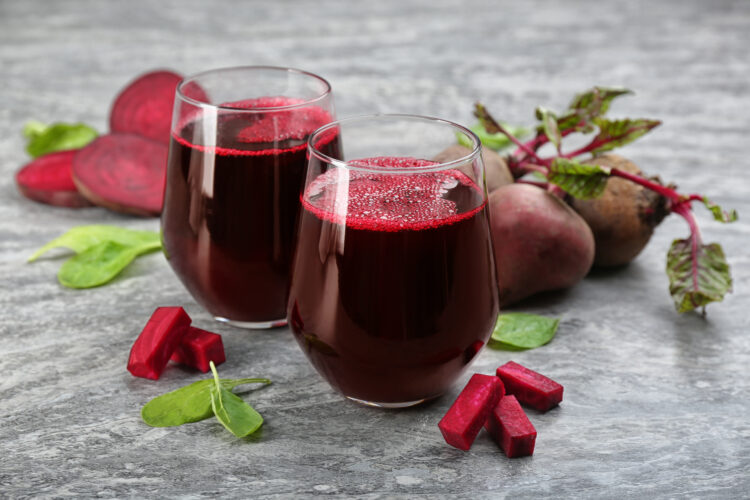
Among the various health tonics touted for weight loss, 'ABC Juice'—a blend of apple, beet, and carrot—has maintained a steady reputation for its detoxifying properties. The star of this trio is often the beet, a root vegetable prized for its ability to flush toxins from the body. However, as its popularity grows, many are questioning whether this vibrant vegetable is safe to eat raw and how to maximize its metabolic benefits without unintended side effects.
The Power of Betaine: Managing Abdominal Fat and Glucose
The Harvard T.H. Chan School of Public Health has previously categorized beets as one of the top three vegetables for dieting, alongside zucchini and bell peppers. This distinction is largely due to betaine, a bioactive compound in beets that plays a crucial role in reducing abdominal fat and stabilizing blood sugar levels.
Beyond its chemical makeup, the beet is a nutritional powerhouse for weight management. According to the National Standard Food Composition Table, beets contain only 26 kcal per 100g. With a high water content of 92.1g and 3.7g of dietary fiber, they provide significant satiety and serve as an effective remedy for constipation. Because chronic waste accumulation and bloating can hinder weight loss, the beet's ability to regulate digestion makes it a vital tool for those struggling with stubborn weight.
Dietary Nitrates and Hypertension
For those managing high blood pressure, beets offer a natural therapeutic edge. The vegetable is rich in nitrates, which the body converts into nitric oxide to dilate blood vessels and improve blood flow. Research has indicated that individuals with hypertension who consumed 250ml of beet juice daily for four weeks saw their blood pressure return to healthy ranges.
However, medical experts urge caution for patients already on antihypertensive medication. The potent compounds in beets can interact with prescription drugs, potentially causing blood pressure to drop too low. Patients on such medication should always consult a specialist before integrating concentrated beet juice into their daily regimen.
The Risks of Raw Consumption: Liver Strain and Stones
While the health benefits are clear, preparation is key. Contrary to the trend of raw juicing, consuming excessive amounts of raw beet can be counterproductive. Beets are high in iron, and overconsumption in raw form can place unnecessary strain on the liver. Furthermore, raw beets have a lower digestion and absorption rate, which frequently leads to gastrointestinal issues like bloating and diarrhea.
There is also the matter of oxalates. Beets contain high levels of these compounds, which can bind with calcium to form kidney or urinary stones. For this reason, it is generally advised not to consume beets alongside dairy products like milk. To mitigate these risks, experts recommend cooking the vegetable. Steaming beets for approximately 15 minutes significantly reduces oxalate content while maintaining nutritional integrity, ensuring the vegetable remains a safe and effective addition to a healthy diet.