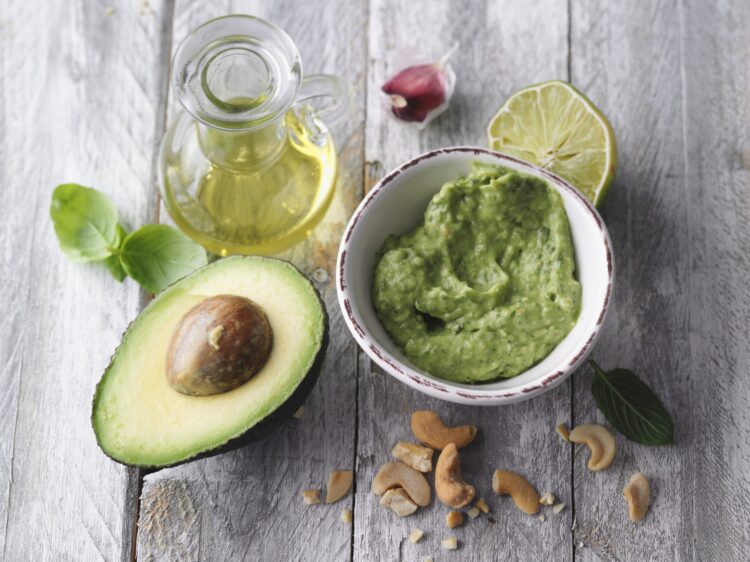
The health community’s perception of fats has undergone a massive shift, moving away from the "all oil is bad" mantra toward a focus on "good oils." While olive, perilla, and sesame oils have long been staples of healthy living, avocado oil is the latest to gain mainstream popularity. But is it truly superior to its predecessors, and what should you know before adding it to your routine?
A Mediterranean Diet Powerhouse
Avocado oil’s rise to fame is closely linked to the global embrace of the Mediterranean diet—a traditional eating pattern celebrated for promoting longevity. Rich in oleic acid (a monounsaturated fat), avocado oil offers several key physiological benefits:
Heart Health: It supports the maintenance of "good" HDL cholesterol, which is vital for cardiovascular protection.
Blood Sugar Stability: Because avocados are low in carbohydrates and high in fiber, the oil can help prevent sharp glucose spikes after meals.
Eye and Skin Protection: It contains antioxidants like lutein and zeaxanthin, which are essential for eye health, along with Vitamin E, which helps maintain skin moisture and protects cells from oxidative stress.
Avocado vs. Olive Oil: The "Smoke Point" Debate
You may have seen claims on social media that avocado oil is "better" than olive oil. This argument is largely based on the smoke point—the temperature at which an oil begins to burn and produce harmful oxidants.
Avocado Oil: Smoke point of 240–270°C.
Olive Oil: Smoke point of 190–210°C.
Because of this higher threshold, avocado oil is the safer choice for high-temperature cooking, such as frying or sautéing. However, if you are consuming oil raw (such as in a salad dressing), the smoke point is irrelevant. In its raw state, high-quality extra virgin olive oil often contains a broader range of antioxidants, making it difficult to crown one oil as definitively "better" than the other.
The Trend of Consuming Oil on an Empty Stomach
There is a growing trend of swallowing a spoonful of oil on an empty stomach for weight management and blood sugar control. However, this practice is not for everyone and carries significant risks:
Digestive Distress: Pure fat triggers a strong secretion of bile. On an empty stomach, this can lead to nausea, diarrhea, and sharp abdominal pain.
Gallbladder Concerns: Those with weak gallbladder function, gallstones, or a history of cholecystitis may feel a heavy, painful sensation in the upper right abdomen.
Stomach Irritation: On an empty stomach, the gastric lining is vulnerable. Consuming oil can cause heartburn and irritation, particularly in those with irritable bowel syndrome (IBS) or sensitive stomachs.
The Calorie Reality
While avocado oil is undeniably a "good oil," it is still calorie-dense. One tablespoon contains approximately 120 kcal. Consuming it in excess—even if it is healthy fat—can hinder weight management efforts.
To reap the benefits without the side effects, experts suggest drizzling avocado oil over salads or using it to cook proteins like tofu. This allows the oil to be processed alongside other nutrients, reducing the strain on your digestive system.