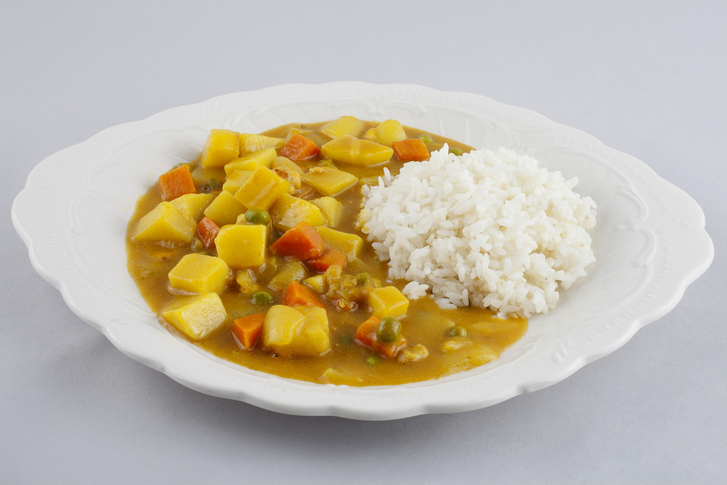
Curry is often hailed as a superfood, largely due to curcumin, the vibrant yellow pigment found in turmeric. While this Indian-native plant extract is celebrated for its health benefits, the way we typically consume curry—heaped over white rice and loaded with potatoes—tells a different story for our blood sugar.
The Curcumin Conundrum: Anti-Cancer Potential vs. Dietary Reality
Research has consistently highlighted the therapeutic potential of curcumin. Animal studies, including research published last year in the international journal Cancer Letters, indicate that curcumin may inhibit the growth of early-stage colorectal and prostate cancer cells.
However, there is a catch: the concentration of curcumin used in these laboratory settings far exceeds what the average person consumes in a single meal. While the antioxidant and anti-cancer potential is confirmed, further research is required to determine if the modest amounts found in a typical dinner portion provide the same clinical impact.
Is Curry Rice Worse for Blood Sugar Than Black Bean Noodles?
New data suggests that curry rice may impact blood glucose more significantly than many realize. According to an analysis of 3.87 million meal records by Kakao Healthcare, curry rice ranked among the top foods for post-meal blood sugar spikes.
The study found that "black bean rice" (jajangbap) caused the highest average increase at 75.3 mg/dL, followed by pot rice (71.1 mg/dL) and curry rice at 70.8 mg/dL. Interestingly, this placed curry rice slightly above both black bean noodles (jajangmyeon) and buckwheat noodles in terms of its glycemic impact.
Starchy Staples: The Real Culprits Behind the Spike
The issue with curry rice is rarely the spice itself, but rather the vehicles used to serve it. White rice and potatoes are high-glycemic carbohydrates that trigger rapid glucose spikes. Furthermore, many commercially available instant curry powders contain thickening agents like flour and potato starch, along with added sugars, which further exacerbate the rise in blood sugar. In these processed versions, the actual turmeric content is often too low to provide significant antioxidant benefits.
Strategic Swaps for a Healthier Bowl
For those managing their blood sugar, making curry at home offers the best opportunity for control. Experts recommend the following adjustments:
Swap the Base: Replace white rice with mixed grains, cauliflower rice, or konjac rice to slow down digestion.
Reimagine the Vegetables: Omit starchy potatoes and load the pot with onions, mushrooms, and broccoli. Onions are particularly beneficial as they contain chromium, which helps insulin function and assists in distributing glucose evenly to cells.
Prioritize Fiber: High-fiber vegetables slow the absorption of sugar into the bloodstream.
While mixed grains are still carbohydrates, their fiber-rich outer husks ensure a more gradual rise in blood sugar compared to refined white rice. By focusing on fiber and reducing refined starches, you can enjoy the traditional flavors of curry without the metabolic cost.