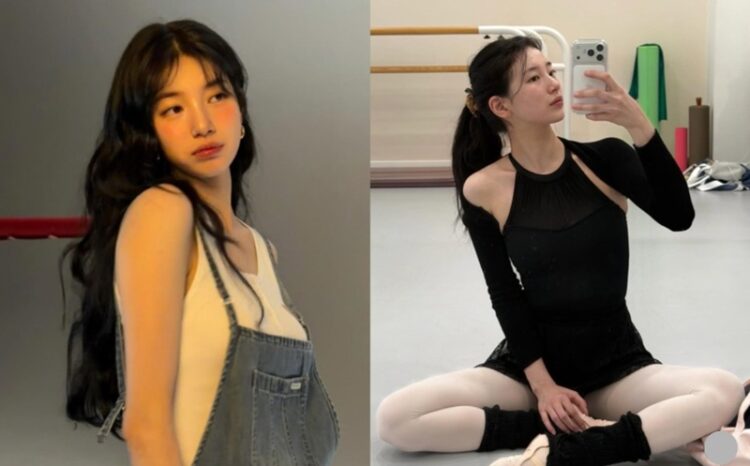
Actress Suzy has shared her recent enjoyment of ballet.
Recently, Suzy posted fifteen daily photos on her SNS, five of which were pictures of her doing ballet. Since last year, she has frequently shared her ballet practice on SNS, showcasing her love for ballet. Additionally, at the end of last year, she appeared on the YouTube channel 'Jo Hyun-a's Ordinary Thursday Night' and revealed that she learned Pilates with Jo Hyun-a.
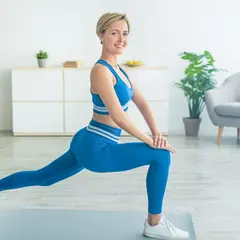
Let's explore the health benefits of ballet and Pilates, which Suzy enjoys and practices.
Ballet Strengthens Core Muscles, Beneficial for Weight Loss
Ballet strengthens the muscles of the entire body, including arms and legs. It particularly enhances the range of motion in joints and finely trains the core muscles that are not often used. It engages muscles in the inner thighs and the soles of the feet. As overall muscle strength increases, the basal metabolic rate rises, making it advantageous for weight loss.
Using various muscles in the body allows for the 'afterburn effect.' The afterburn effect is the phenomenon where calories continue to burn even after exercising.
The calories burned during ballet are surprisingly high. A one-hour classical ballet class can burn about 300-400 kcal. This is because it includes various movements that elevate the heart rate more than walking or yoga.
However, it is essential to perform ankle strengthening exercises and stretching sufficiently before engaging in serious ballet movements. The process of holding positions can put stress on the ankles and knees. When maintaining balance, care should be taken to ensure that the knees do not sway inward or outward. To protect the joints, the knees should not be excessively bent or straightened.
Especially for beginners in ballet, excessive turning, twisting the knees or feet, or repeating positions that bend the waist can lead to pain, so caution is necessary.
Pilates Strengthens Core Muscles to Maintain Good Posture
Pilates is an exercise method devised by Joseph Pilates in Germany during World War II for the rehabilitation of injured soldiers. It strengthens the core muscles, which are the center of the body, and enhances flexibility and balance. It activates not just the superficial muscles but also the deep abdominal muscles (transverse abdominis) and the deep back muscles (multifidus) attached to each vertebra. In fact, the activation of these two core muscles is measured to be higher during Pilates than during regular abdominal exercises. This can help alleviate excessive bending of the waist, improve forward head posture, and correct pelvic alignment.
If you have chronic lower back pain, trying Pilates may be beneficial. The causes of chronic lower back pain are often due to a lack of core stability, micro-instability of the spine, and incorrect movement patterns, all of which Pilates can correct. Many reports indicate that the intensity of lower back pain decreases when practicing Pilates compared to general stretching or simple strength exercises.
However, applying force while maintaining incorrect posture during Pilates can strain the joints, ligaments, and muscles, so it is crucial to maintain proper form. Especially for beginners with weak core muscles, performing excessive movements can pose a high risk of injury, so it is advisable to strengthen core muscles under the guidance of a professional. If you experience pain or discomfort during exercise, stop immediately.