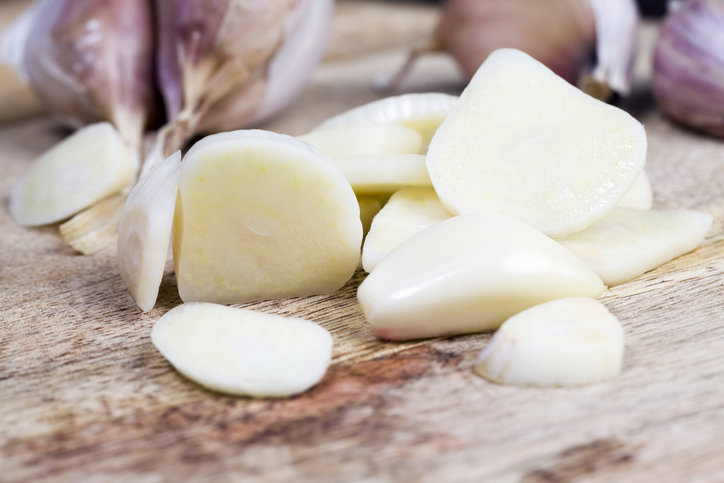
For Koreans, garlic is an indispensable ingredient. It is a staple in everything from soups and stews to stir-fries, leading many households to buy it in bulk. However, it is common to worry when garlic sprouts or its tips turn green, sparking fears that it has spoiled. Understanding why this happens and how to store it properly can help you minimize waste.
Why Does Garlic Turn Green?
The greening of garlic is often a natural phenomenon caused by the reaction between enzymes and amino acids when exposed to oxygen. Several factors contribute to this:
Temperature: Storing garlic at around 4°C (refrigerator temperature) can activate these enzymes, making the cut surfaces more prone to turning green.
Chemical Reaction: The allicin in garlic can react with trace amounts of iron or copper in cooking utensils to form sulfide compounds, which may appear green or blue.
The Variety: Some garlic, such as the Hongshan variety, naturally features green tips due to its high chlorophyll content.
In most cases, this is simply a cosmetic change and the garlic remains perfectly safe to eat. However, if the garlic emits an unusual odor or feels mushy, it has likely spoiled and should be discarded.
How to Prevent Discoloration and Spoilage
To keep garlic fresh, you must manage its exposure to moisture and oxygen.
1. General Storage
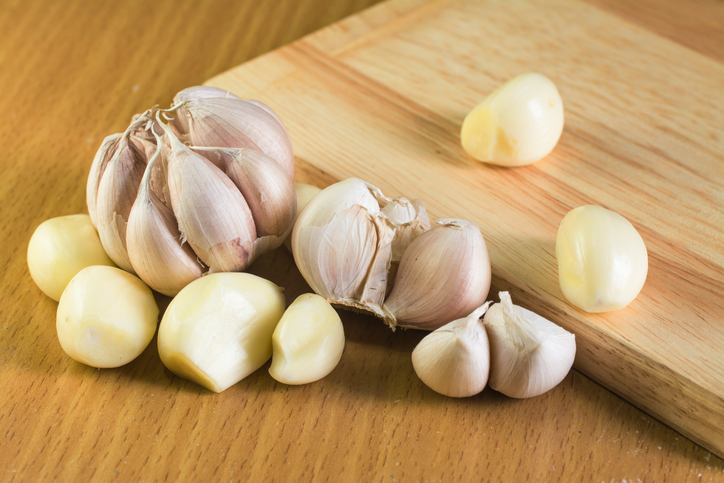
Whole garlic bulbs should be kept in a cool, well-ventilated area with low humidity. For longer-term storage, minimize oxygen exposure to inhibit enzyme activity. Many people peel and mince garlic, then store it in airtight bags in the freezer.
2. The Sugar Method (For Refrigeration)
If you prefer not to freeze garlic because it can lose its unique texture and aroma, try the sugar method. This technique keeps minced or peeled garlic fresh for nearly a month:
Sprinkle a layer of sugar at the bottom of an airtight container.
Place a paper towel over the sugar.
Store the garlic on top of the paper towel and seal the lid.
The sugar acts as a natural desiccant, absorbing excess moisture that would otherwise cause the garlic to rot. While the sugar may take on a slight garlic aroma, it remains chemically unchanged and can still be used for seasoning meats or stews.
3. Maintenance
It is advisable to check the container every two weeks. If the paper towel feels damp, replace it. If the sugar appears discolored from moisture, swap it out for a fresh layer to maintain the best storage environment.