
These days, many people prefer bread and noodles instead of rice. These 'white carbohydrates' are essential foods that you never get tired of eating every day, and they can improve your mood by providing fullness. However, if you enjoy eating white carbohydrates, you are likely to gain weight. Therefore, the first thing to reduce when dieting is carbohydrates. Will cutting out carbohydrates really help you lose weight? In fact, carbohydrates are a source of energy and immunity. Let's explore how to consume carbohydrates in a way that minimizes weight gain.
◆ Reducing Carbohydrates, Helps with 'Short-term Weight Loss'
Reducing carbohydrates can help with short-term weight loss. However, the long-term weight loss effect is not significant. This is because you need to reduce overall caloric intake, including fats. The caloric content of carbohydrates is 4 kcal per gram, while fats contain more than double that at 9 kcal. You also need to exercise to prevent the remaining energy from accumulating in your body. Ultimately, the key to dieting is 'eating less and moving more.'
◆ Carbohydrates, 55% of Total Energy Intake is Appropriate
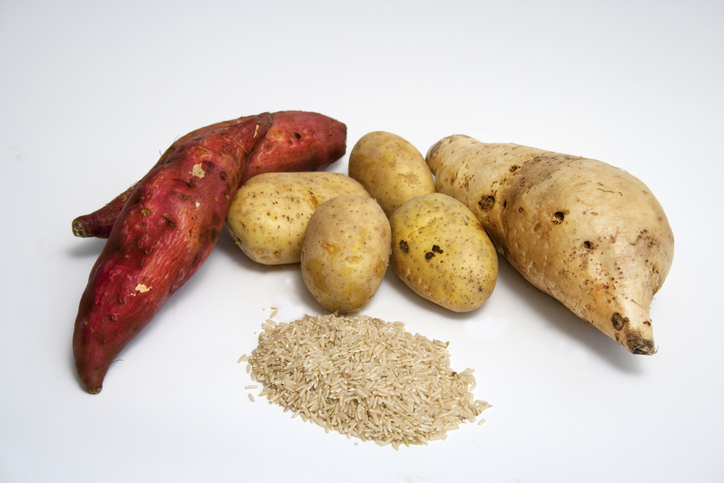
Carbohydrates are essential nutrients that supply energy to the body and support immune function and brain activity. Feeling depressed and having a lack of concentration can also be caused by a deficiency in carbohydrates. It is appropriate to consume about 55-65% of your total daily energy intake from carbohydrates. Foods that come from plant fruits (grains, fruits), roots (sweet potatoes, radishes), and stems (potatoes) are mostly carbohydrate foods.
◆ The Dietary Fiber Effect of Carbohydrates, Preventing Cardiovascular Diseases
When managing weight, it is advisable to choose carbohydrates from water-rich vegetables or fruits. Carbohydrates are more favorable for long-term weight control than fats because they have fewer calories relative to their volume. Eating too much fruit can also lead to weight gain. Eating green and yellow vegetables or less sweet fruits can provide sufficient dietary fiber and help maintain the effects of dieting for a longer time. Eating vegetables first instead of rice or bread can provide fullness and help prevent overeating. The dietary fiber found in apples can lower cholesterol and reduce the risk of cardiovascular diseases such as heart disease and stroke.
◆ Increase Dietary Fiber to Lower Mortality Risk!

There is research showing that patients with chronic kidney disease who consumed sufficient dietary fiber had a reduced risk of mortality. Chronic kidney disease can significantly impair kidney function, increasing the risk of dialysis and kidney transplant. Dietary fiber helps facilitate bowel movements, promotes the excretion of uremic toxins, and reduces chronic inflammation.
However, patients with kidney disease should be cautious with potassium-rich vegetables and fruits. They must consult with a doctor or nutritionist before consuming them due to the risk of hyperkalemia, which can lead to shock. Therefore, it is effective to consume dietary fiber through low-potassium options like apples, grapes, pineapples, and plums. Tomatoes, melons, and certain vegetables are high in potassium.